145,000 Voices vs. the FCC
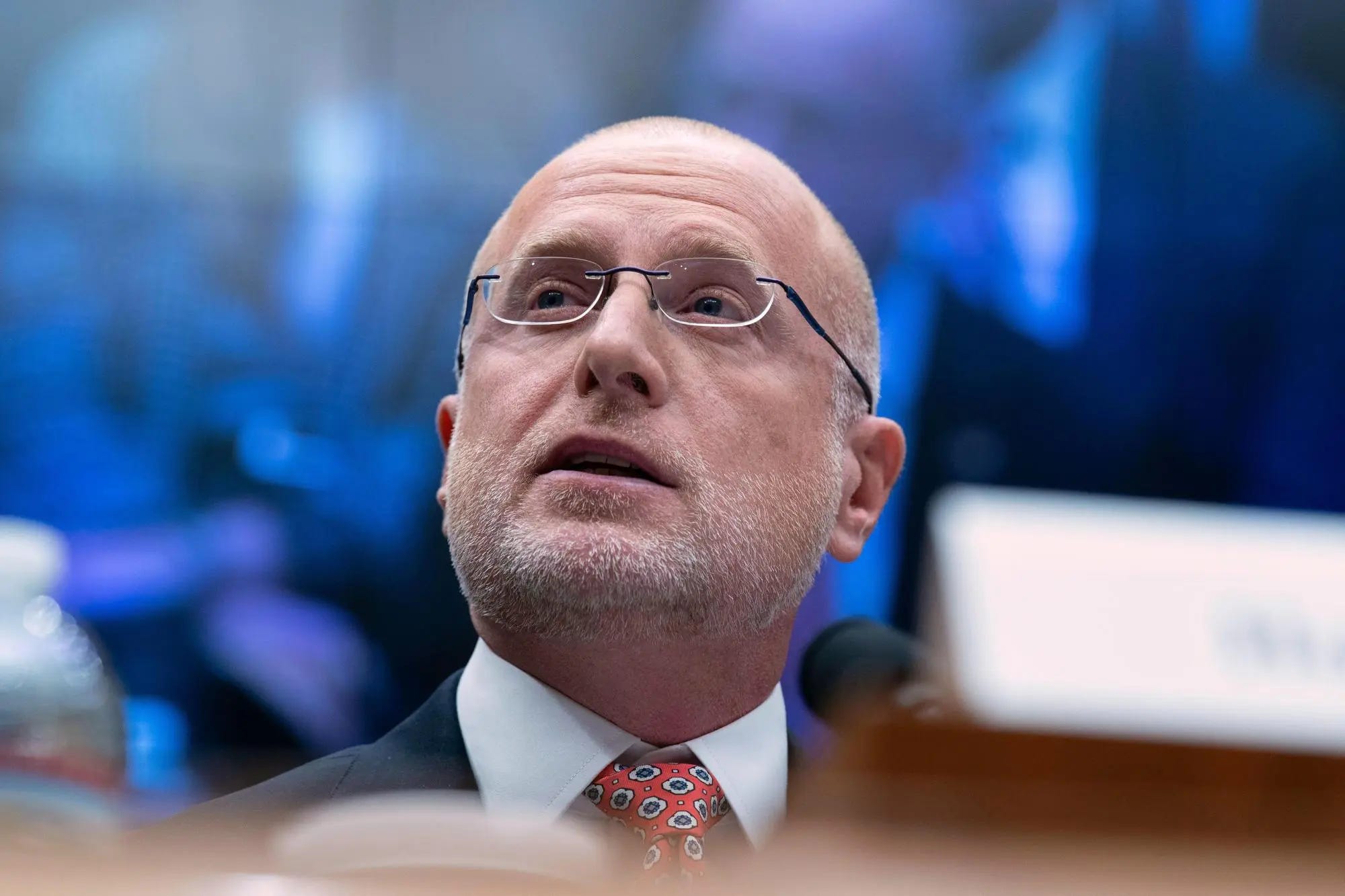
Public comments overwhelmingly defend ABC's local stations. Brendan Carr appears ready to ignore them.
UPDATE: ABC has responded to the FCC. See below.
More than 145,000 comments have now been filed in the FCC’s case against eight Disney-owned ABC television stations. Most support the stations and oppose the FCC’s investigation. The public comment period ended Wednesday.
The response has been unusually large. Most open FCC proceedings attract only a few hundred comments. Many of these criticize President Trump and FCC Chairman Brendan Carr. Others simply defend their local stations, praising their news coverage and arguing they’re serving the public interest.
ABC promoted the issue on the air, and the campaign clearly worked. An earlier effort involving The View generated nearly 80,000 comments. This one has drawn almost twice that.
Carr is still expected to move the case forward, possibly sending it to a formal hearing in August. Carr doesn't seem concerned about public comments. He has taken his cues from Trump, who has repeatedly called for ABC to be punished.
A previous pressure campaign almost worked. Jimmy Kimmel briefly disappeared from the air after Disney reportedly became concerned Carr might open an investigation. Kimmel's offense was saying things Trump didn't like.
Why this is a local issue
TV networks don’t hold FCC licenses. Local stations do.
Disney owns the eight ABC stations now under review, while most ABC affiliates are owned by other companies.
That’s what makes this fight personal for viewers. In Philadelphia, for example, people have a deep connection to 6abc and Action News, regardless of what they think about ABC as a network.
But the threat can result in capitulation. See above. Some other locally-owned affiliates may decide to play it safe, protect the budget, and avoid showing The View.
These are the times we live in. Free speech and a free press are still right there at the top of the Bill of Rights. But intimidation can be just as effective as censorship.
Carr faces criticism from both sides
Former FCC officials from both Democratic and Republican administrations say the case threatens free speech. They argue it could pressure broadcasters to avoid coverage the government doesn’t like.
Fourteen conservative and free-market organizations have also urged Carr to back away. While they generally support the Trump FCC, they worry the same authority could eventually be used against conservative broadcasters.
Just as a side note: imagine the uproar—the torches and pitchforks—if President Obama had tried to use the FCC against Fox News the way Trump has targeted media outlets and personalities that annoy him.
The FCC has traditionally challenged a station’s license only in serious cases involving misconduct or an inability to serve the public. Those groups argue that keeping the bar that high prevents the government from deciding what broadcasters are allowed to say.
Carr claims he’s protecting the public interest; judging by more than 145,000 public comments, a lot of people disagree.
One question keeps coming back to me: if this becomes the new normal, what happens when the next president decides to use the same playbook against broadcasters they don't like? I'd like to hear where you think that line should be.
UPDATE: ABC Fires Back
Disney and ABC have now formally responded.
In a 109-page filing with the FCC, the company accuses the commission of retaliating against ABC over news coverage the Trump administration doesn’t like. ABC argues the unprecedented decision to force early license renewals for its eight owned-and-operated stations isn’t about routine regulation. It’s about intimidation.
“The retaliation against ABC is a signal to every media company in the country,” the filing says. “Accommodate the administration’s view of what news coverage should look like or pay the price.” ABC argues the real objective is to create “a media industry too fearful of official reprisal to report the news freely.”
The company also points out just how unusual the FCC’s action is. Its station licenses weren’t scheduled to come up for renewal for another several years, and the FCC has rarely, if ever, ordered an accelerated review like this in modern times. ABC argues the commission has no authority to deny license renewals based on complaints about political bias or editorial decisions and says none of the petitions identify the kind of serious misconduct that has traditionally justified license action.
The filing echoes what more than 145,000 public comments have already suggested: this has become about much more than eight television stations. It’s become a test of whether the federal government can use the licensing process to pressure broadcasters over the content of their news coverage.


This brings to mind the government seizure of La Prensa newspaper, in 1951 Argentina. The politics were different, but silencing of the newspaper was the same. It would seem that the United States is far off from Argentina’s junta or Pinochet’s Chile, but if we follow the money, is Trump the next Pinochet?
The government should have no say in the editorial process anywhere. Period. The law - as written right now - has done pretty well for us so far. The problem is, the current administration is ignoring the law - if not the letter of the law then certainly the spirit of the law. Alas, assuming our society survives all of this (no guarantee there), we will probably need more legislation to protect the Fourth Estate. Indeed, a constitutional amendment is probably the real answer because our current Supreme Court seems to have some strange ideas about how to interpret what the Founding fathers put down on paper. And, with our nation as divided as it is, good luck with that.