A Brief History of Normalization
How the unthinkable becomes normal — and why you barely notice it happening
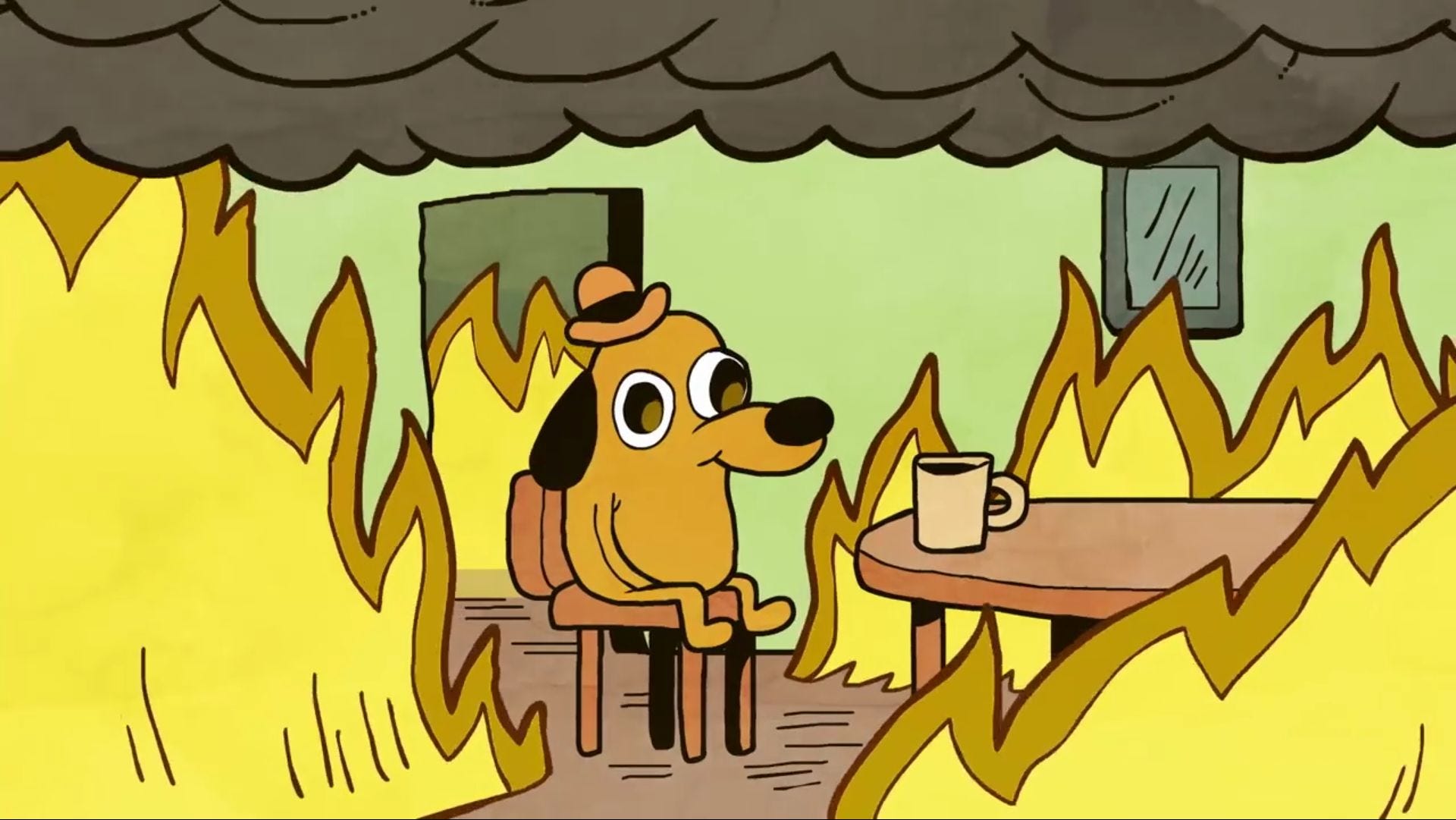
Normalization is how the unacceptable becomes ordinary.
Not all at once. Not in a single moment. It’s a process that takes repetition of the initial shock, until the shock wears off. Then it becomes familiar.
And where it seemed to stop society in its tracks the first time, eventually it barely registers. It becomes background noise. Late-night talk shows mine it for material. It’s the Saturday Night Live cold open. The jokes make us laugh. Then it’s not so bad. Then it’s another throw-up-your-hands moment where you say, “This bullshit is the crazy world we’re living in now.”
“…We’re living in now.” That’s the line where you realize it’s been normalized.
How the Shock Wears Off
Here’s the cycle.
At first, something happens that feels wrong.
It’s described as temporary. Exceptional. Necessary. People argue about it. Voices get raised. Local TV news interviews people who are freaked out about it. Editorials are written. Experts are quoted. The word unprecedented gets a workout. And believe me, I’ve heard the word unprecedented way too much since 2016. I started yelling at copy editors for sending it to me. They yelled back, “Well, what else would you call it?”
Then it happens again.
The second time, it’s easier. The arguments are already rehearsed. The defenses pre-written. The outrage is a little softer. The same talking heads go on the same shows. The same little play plays out on the cable news talk shows.
By the third time, it’s familiar. We’re already tuning out. By the fourth, it’s boring.
Why We Adapt
This is how the human brain protects itself. Constant alarm is unsustainable. So the mind adapts. The nervous system recalibrates. What once felt intolerable becomes survivable. Then normal.
The sad fact is, if it didn’t, we’d go insane. We’d die.
Here’s an even sadder fact. That cycle is playing out faster and faster. Now things are normalized within days or hours. Blame social media? Sure, why not.
Learning to Live With It
In the 1930s, Europeans didn’t wake up one morning inside authoritarian states. “Hey, what the hell happened?”
They woke up to propaganda. They woke up to decrees. Then to uniforms. Then to slogans. Then to new rules that were said to be temporary responses to crisis. The actual crisis didn’t really matter — anything would do. Economic collapse. Political instability. National humiliation.
The enemy within.
Each step was justified on its own. Each one framed as limited. Each one presented as the last necessary measure before things got back to normal.
They never did.
What changed wasn’t just the laws. It was what people learned to live with.
The American Pattern
The same pattern appeared in America during the Red Scare.
At first, it was about communists — or so it was said. Reasonable people could agree that foreign influence was a concern. Hearings were framed as defensive, even patriotic.
Then accusations widened. Loyalty tests appeared. Careers ended. Silence became safer than dissent.
Eventually, people stopped asking whether the process was fair. They asked only whether they were personally at risk. Their field of vision shrank and everything became about saving their own skin. “We’ll worry about the Constitution and freedom of speech and the press later. I’ve just got to make sure I don’t go to jail.”
Normalization had done its work.
Acceptance Without Belief
After September 11th, Americans accepted changes that would have been unthinkable just a few weeks before.
Expanded surveillance. Indefinite detention. Secret lists. Militarized spaces. Black sites. The language of emergency became permanent.
Most of it didn’t feel authoritarian. It felt procedural. Bureaucratic. Wrapped in safety announcements and signage. We were all Americans, pulling together. We’d taken a body blow. All we cared about was recovering from it, and making sure it didn’t happen again.
Until that natural tendency got hijacked for policy, for military spending, for oil.
That’s how normalization works in modern societies. Not through jackboots, but through policies. Not through spectacle, but through routine.
The most important thing to understand about normalization is this: it doesn’t require your belief in the cause. You don’t have to agree with it. You don’t even have to approve. Your only job is to accept… eventually. Adapt to it… eventually.
You even learn how to tell yourself that it’s exaggerated. Someone else will stop it before it goes too far. Stockholm Syndrome knocks on the door and pours itself coffee without asking for permission.
And because each step feels smaller than the last outrage, it never quite feels like now is the moment to act.
There’s always a later line. A clearer violation. A more obvious turning point.
Those moments almost never come.
Baseline
Normalization trains people to live inside contradictions. To say, “This is wrong,” and then go on with their day. To feel unease, but not urgency. To recognize danger, but postpone resistance.
It’s not cowardice. It’s human nature.
And it’s how democracies erode without collapsing.
Oh sure, there are those who have a seemingly inexhaustible supply of anger and outrage, and somehow find a way to keep up the resistance, keep up the shouting, keep up the pointing it out.
But eventually, too many other people get tired of that noise. They just want to be left alone.
By the time people realize something fundamental has changed, they often struggle to explain when it happened. There was no single day. No single vote. No single speech.
Just a long sequence of moments where outrage slowly gave way to resignation. Where the abnormal became normal. Where the unacceptable became familiar.
That is the real history of normalization.
Not a story about villains alone — but about societies, including ours, learning to live with things they once swore they never would.
Recall presidential campaigns. Once, getting caught not properly citing a previous work in a college paper footnote would end a candidate’s run. Once, a picture of an attractive younger woman who’s not your wife sitting on your knee would end a political career. Once, screaming into a microphone in celebration just a little too awkwardly would mean the end of Oval Office ambitions.
Compare that to what we’re used to now.
The baseline turns out to be a moving target. And it’s moving in the wrong direction.
Leave a comment below and let me know what you think. What’s being normalized today, and how do you respond?


I refuse to become habituated to the insanity. It bothers me every day. Every hour. Every minute. I started being here, on Substack, because of it. To be better informed. To try to understand those who feel differently than I. I am unable to be someone who creates a change in our society, our world. But I will not join those who accept things as they are. Thank you, Rob.