

ABC’s legal battle with the FCC may become one of the most important press freedom cases in decades.
Because the outcome could determine whether government agencies can use regulatory power to pressure news organizations over speech they don’t like.
For years, press freedom battles in America have usually involved direct government action: attempts to block publication, force disclosure of sources, or punish journalists for reporting. Courts have developed extensive First Amendment protections against them.
The dispute between ABC and the FCC is different.
It centers on an important question: Can the government use regulatory authority to create pressure that stops short of outright censorship but still influences editorial decisions?
ABC says no.
The company has accused FCC Chairman Brendan Carr of attempting to overturn decades of communications law and using agency authority in ways that threaten constitutionally protected speech. The network has also described parts of the FCC’s actions as unlawful, arbitrary, and unconstitutional.
The threat to press freedom may no longer come from explicit censorship. It may come from government officials using licensing, investigations, enforcement actions, and regulatory reviews to create consequences for unfavorable coverage.
The government is essentially saying, “We can’t tell you what not to say, but we can make it expensive and painful for you if you say something we don’t like.”
A newsroom doesn’t need to receive a formal order to stop reporting. Editors don’t need a government censor sitting in the building. If executives believe certain stories, interviews, or commentary could trigger investigations, licensing challenges, or regulatory headaches, the pressure can influence decisions before a single article is written or a broadcast airs.
The Supreme Court has long recognized this principle. Government actions that chill speech can raise serious First Amendment concerns even when no direct prohibition exists.
Carr has argued that programs like The View shouldn’t get exemptions from equal-time requirements that have applied to news and public affairs programming. At the same time, the FCC has accelerated review of ABC’s local station licenses while investigating issues related to Disney’s DEI policies.
The agency has launched similar DEI investigations involving other broadcasters, including NBC and CBS.
ABC argues the investigations, license reviews, and challenges to longstanding broadcast exemptions aren’t isolated actions. Critics see them as part of an effort to pressure media companies whose coverage the administration dislikes.
That is where the case moves beyond ABC.
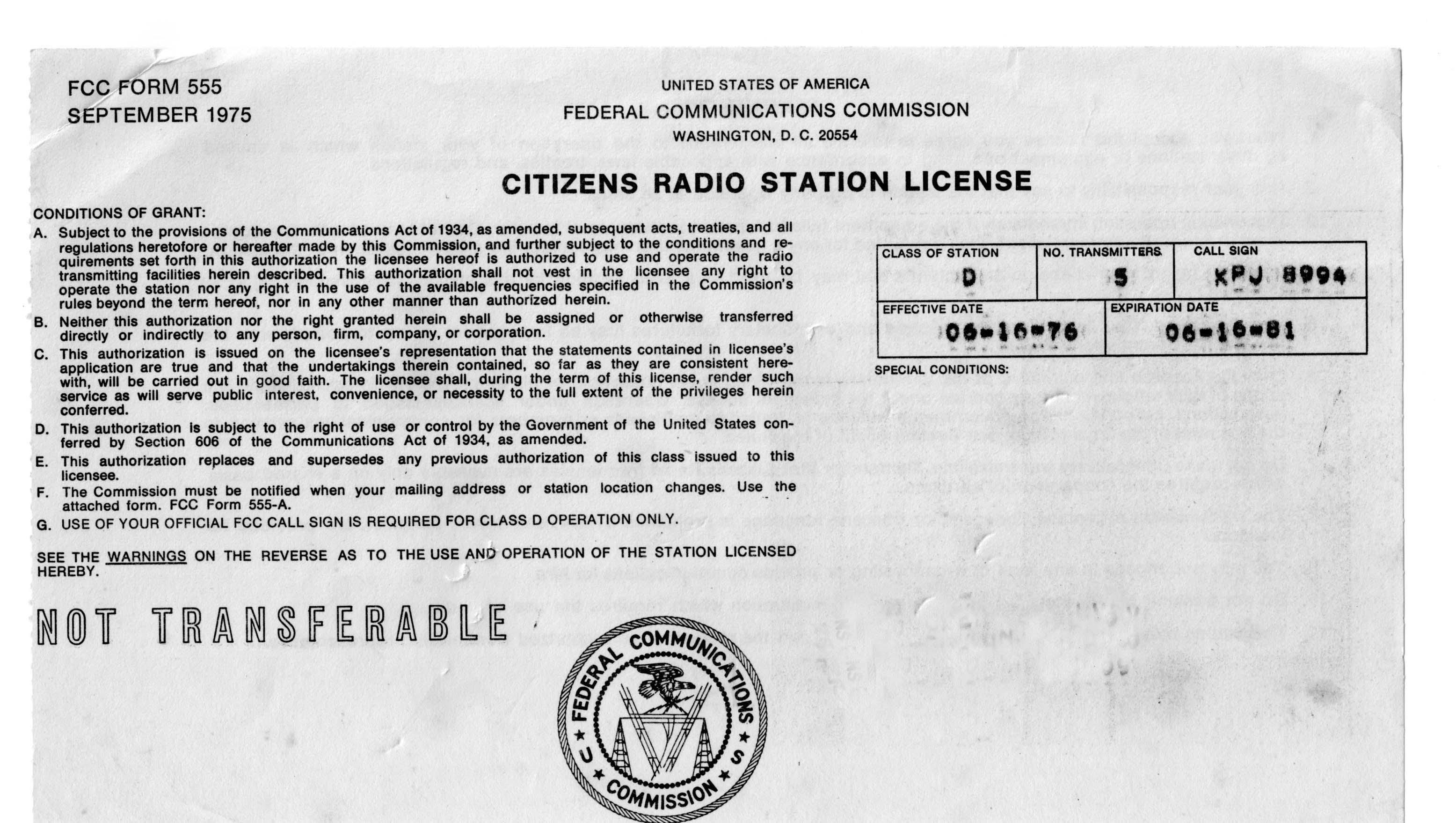
Unlike newspapers, podcasts, websites, and streaming services, broadcasters depend on federal licenses. That has always created tension between government oversight and editorial independence. For decades, courts, regulators, and broadcasters operated under an understanding that licensing authority shouldn’t become a tool for influencing content.
ABC is now asking whether those protections still exist.
If the company prevails, the result could extend far beyond its own stations.
A strong court ruling could establish clearer constitutional limits on how federal agencies interact with news organizations. It could make it more difficult for future administrations—Republican or Democratic—to use investigations, licensing reviews, or regulatory threats in ways that could influence editorial decisions.
In effect, the courts could modernize press freedom protections for an era in which pressure is often indirect rather than explicit.
Such a ruling wouldn’t eliminate government oversight of broadcasters. The FCC would still regulate technical operations, licensing requirements, ownership rules, and other matters within its authority.
What it could do is draw a brighter constitutional line between legitimate regulation and government actions that risk influencing protected speech.
Many of the press freedom cases that shaped modern journalism involved direct attempts to block publication or punish reporting. Today's disputes often involve pressure applied through regulation rather than outright censorship.
The Constitution’s protections may need to evolve to meet that reality.
The case could help determine whether press freedom means freedom from direct censorship alone.
Or freedom from government pressure designed to produce the same result.
I don't have a license that the government can threaten. What I have is you.
If you’d like to help keep Archer’s Line independent, please consider becoming a paid subscriber.
I'm watching this closely because you are entirely correct. I'm hopeful that ABC will prevail, does that make me naive?
Thank you Rob.
For people who are unfamiliar with the license-renewal process, maybe someone could make it more real: why is early renewal, imposed by this administration or anyone, onerous? Weren't ABC's affiliates going to renew anyway? It makes sense that any arbitrary urgentness, like they're doing with the SCOTUS emergency docket, is onerous. But this sounds like signing a routine form and sending it in.