

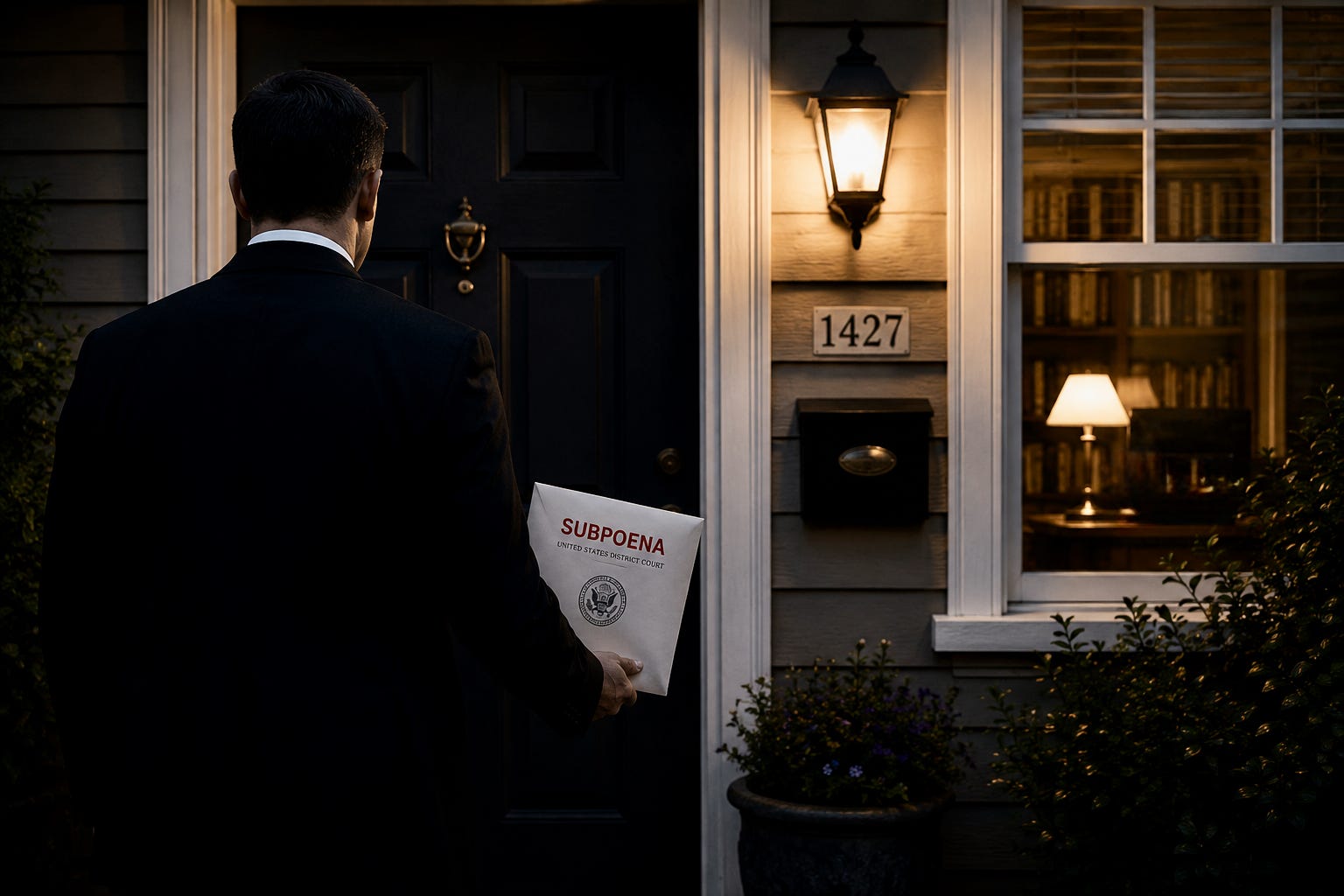
The Trump administration has taken a chilling step, escalating its investigation into leaks about the security of the Qatari-donated aircraft intended to become the next Air Force One.
FBI Director Kash Patel met with White House officials Friday to talk about the leak investigation. Later that evening, four New York Times reporters were served subpoenas ordering them to testify before a federal grand jury next week. In some cases, federal agents delivered the subpoenas in person at the reporters’ homes.
The subpoenas stem from reporting that the aircraft was not fully equipped with the security systems needed to safely transport the president. After President Trump publicly claimed he sent the plane to England so service members could tour it, multiple news organizations reported the real reason: security concerns prevented it from being used for his return trip from the NATO summit. CNN later reported that Trump was privately angry and embarrassed that those concerns had become public.
Leak investigations are not unusual. Every administration has pursued unauthorized disclosures involving national security.
What’s different is the target.
The subpoena wasn’t sent quietly to a newsroom’s lawyers. According to The New York Times, federal agents showed up at reporters’ front doors.
It’s prompted widespread condemnation from news organizations.
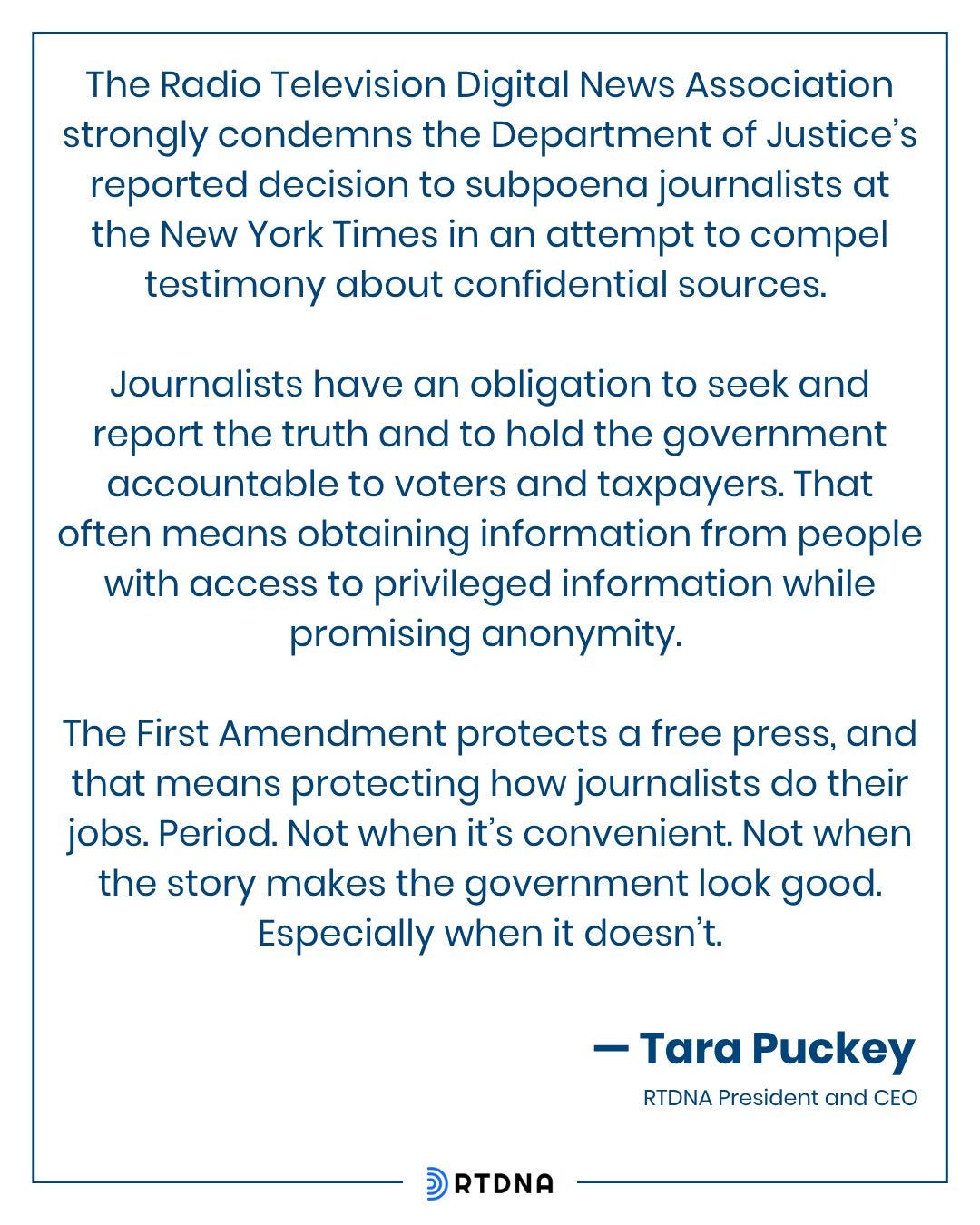
The Times says it will fight the subpoenas. Its lead newsroom attorney, David McCraw, called the move “an attempt to prevent the public from knowing what is happening in their country by intimidating journalists from doing their jobs.”
There’s also an important distinction in the underlying story itself.
If security protocols protecting Air Force One were bypassed or incomplete, that’s not merely an embarrassing leak. It’s a legitimate matter of public concern involving presidential security and the continuity of government.
The courts will decide whether the reporters have to testify. But the image of federal agents arriving at journalists’ homes with subpoenas is one that should concern anyone who cares about a free press, regardless of which party occupies the White House.
It also sends a message. I think it’s the kind of move that could make reporters think twice before publishing information from inside the administration.
I doubt it'll work, at least not for serious journalists. But the fact that we're even having this conversation says something about where the relationship between government and the press is headed.
This just blew me away. I can't even imagine any situation where the subpoenas won't be quashed.
Thank you, Rob.
Yet another step in the shocking attack on free journalism by this administration.