

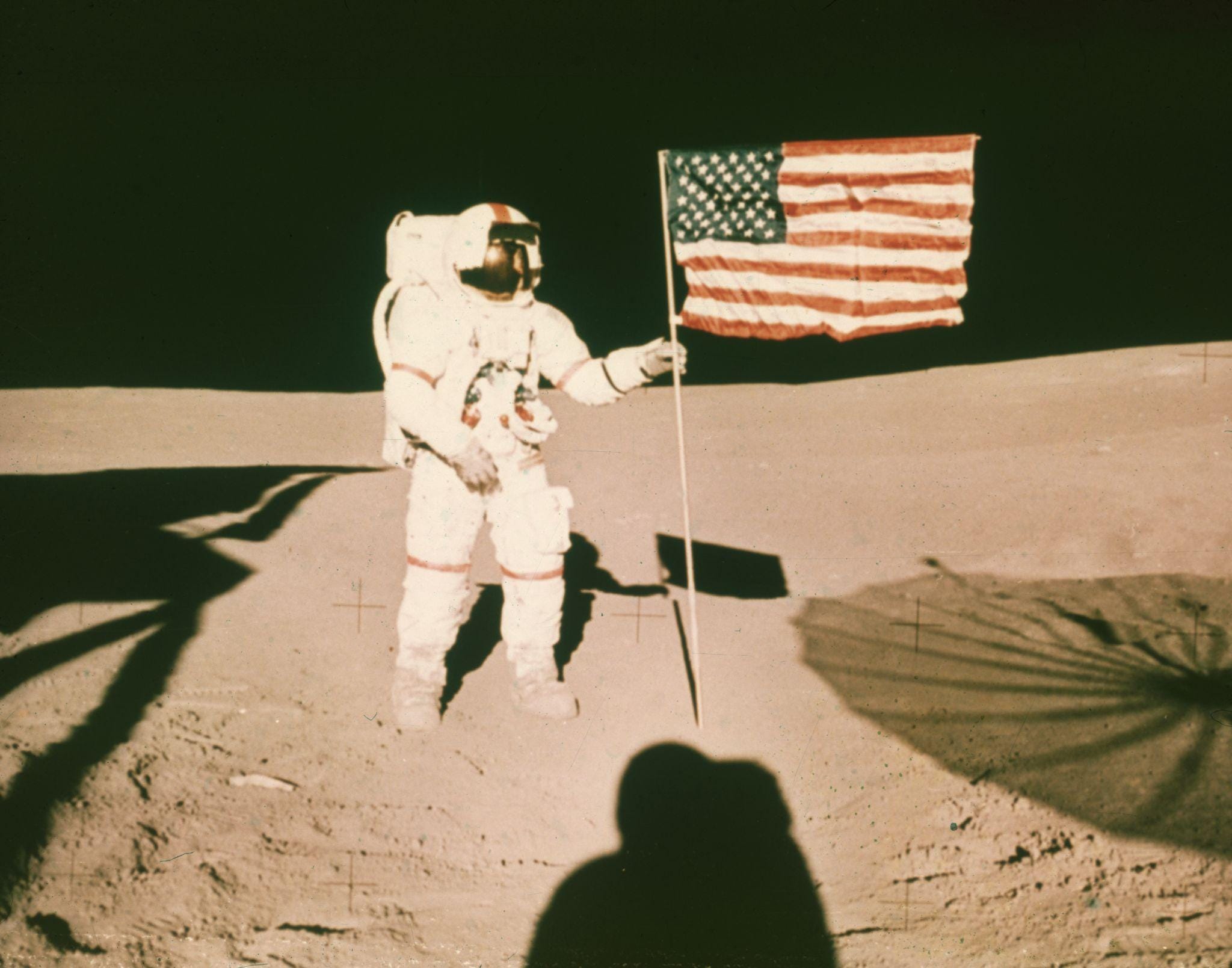
Science fiction writer Arthur C. Clarke, looking into the future, once wrote that one day the United States would be mainly remembered for one thing: that it was the first nation-state to land humans on the Moon.
That was supposed to be permanent. A defining line in history.
But these days, there are Americans who aren’t aware of that fact. And a disturbing number who still insist it was fake. That alone tells you something has shifted — not just in knowledge, but in confidence, in the sense that big things actually happened and still matter.
Which makes what’s happening right now in low-Earth orbit all the more troubling.
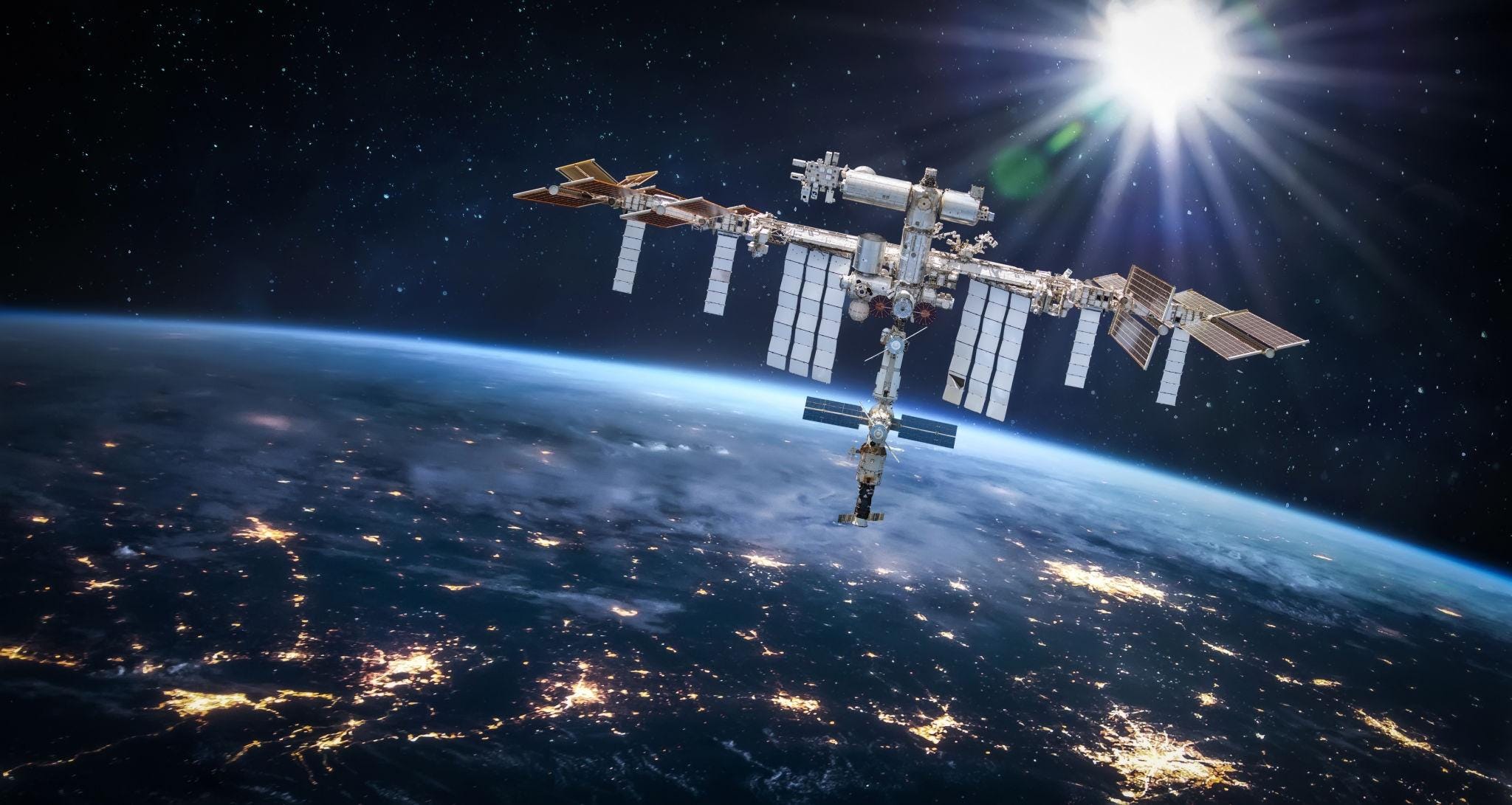
The International Space Station — the aging, football-field-sized marvel that has hosted nearly 300 people over more than 25 years of continuous human habitation — is on its way out. Its planned retirement is 2030. And what’s supposed to replace it is, at least for now, more concept than reality: computer renderings, startup promises, and a NASA process that has moved slowly enough to raise real doubts about whether anything will be ready in time.
Meanwhile, the world doesn’t pause.
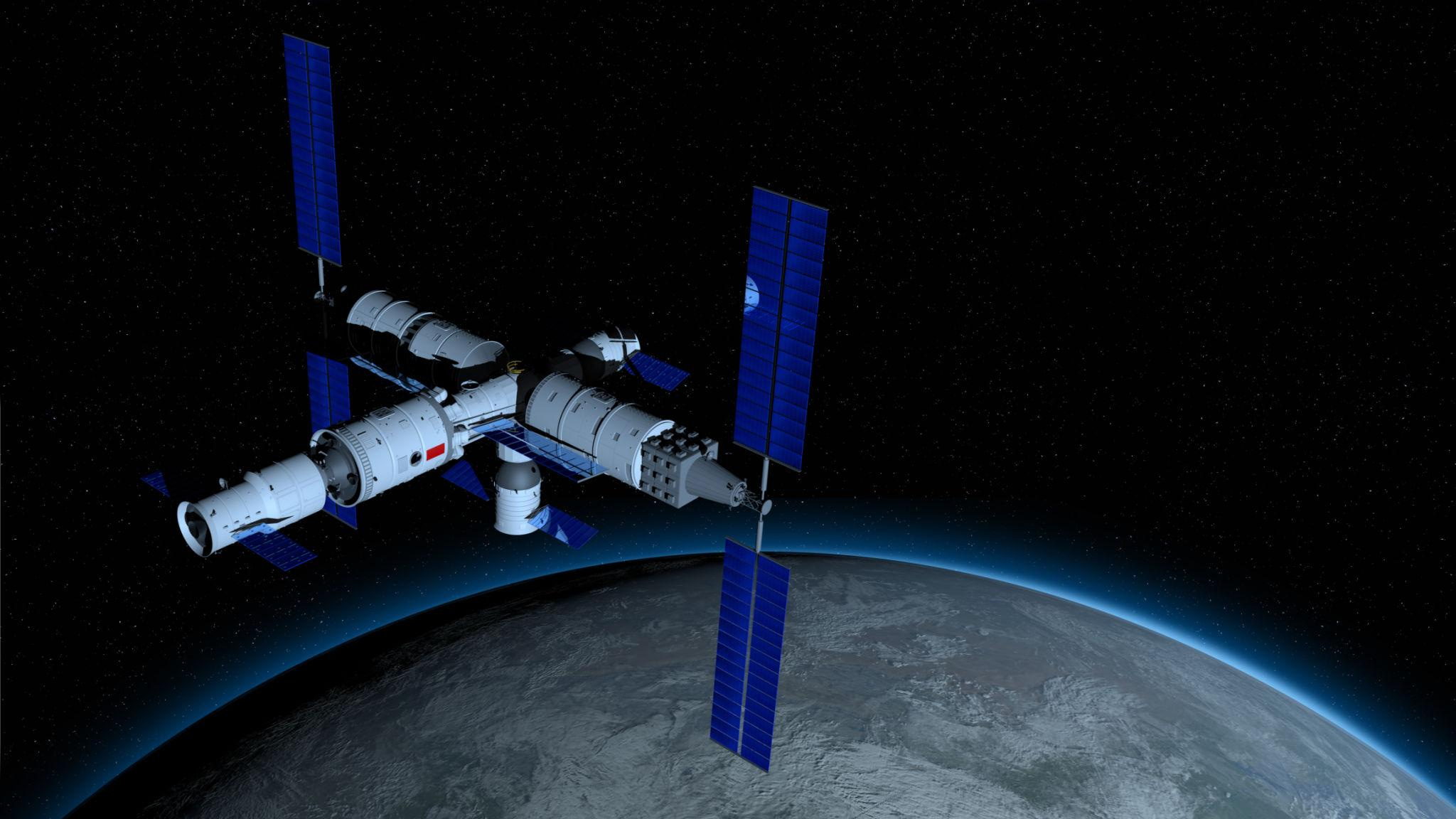
China finished building its own space station — Tiangong — in 2022. It’s operational. It’s staffed. And it’s already becoming a platform other countries can align with, technologically and politically.
And above all of this sits the larger promise — and the larger question — of returning to the Moon.
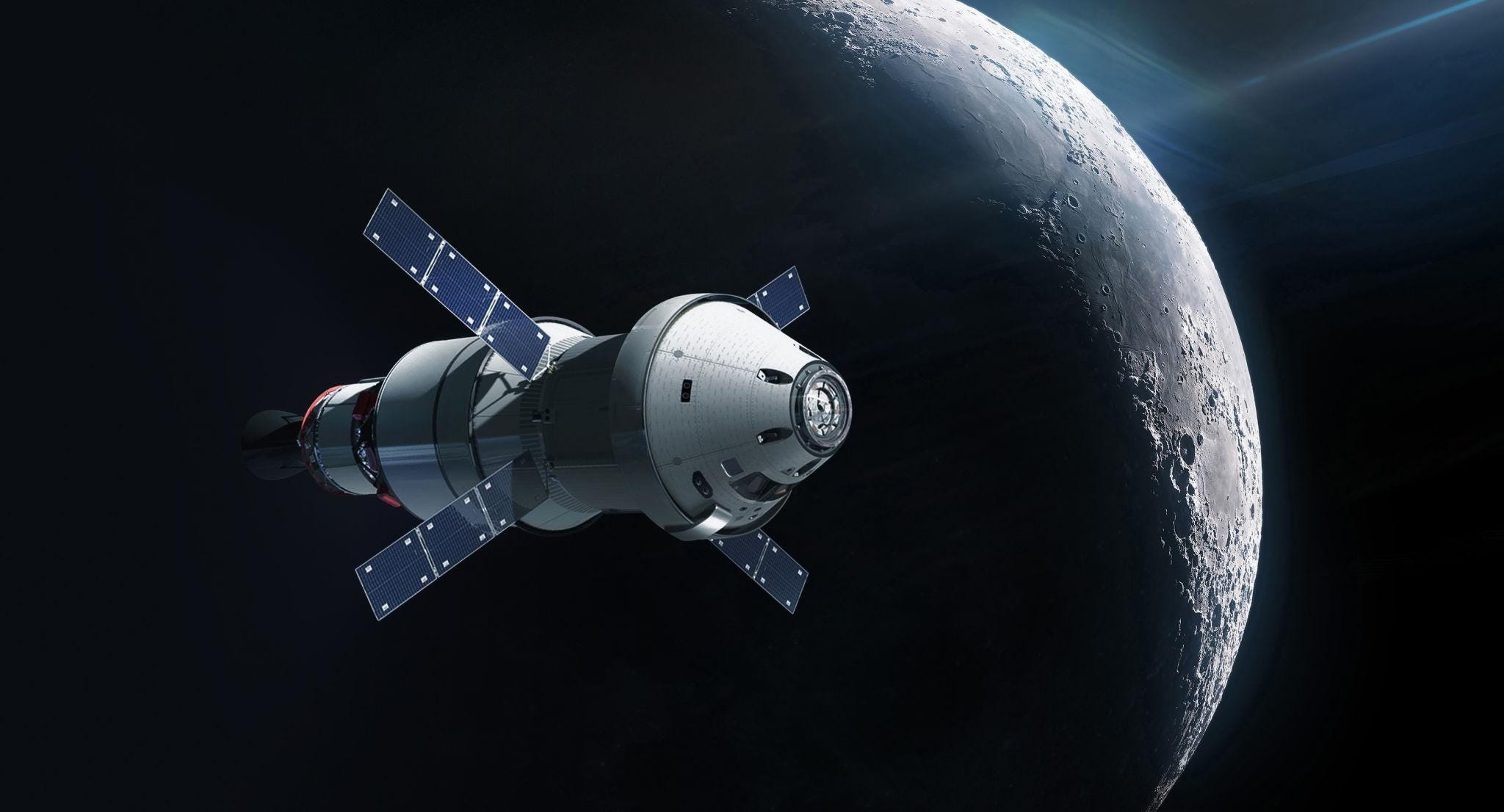
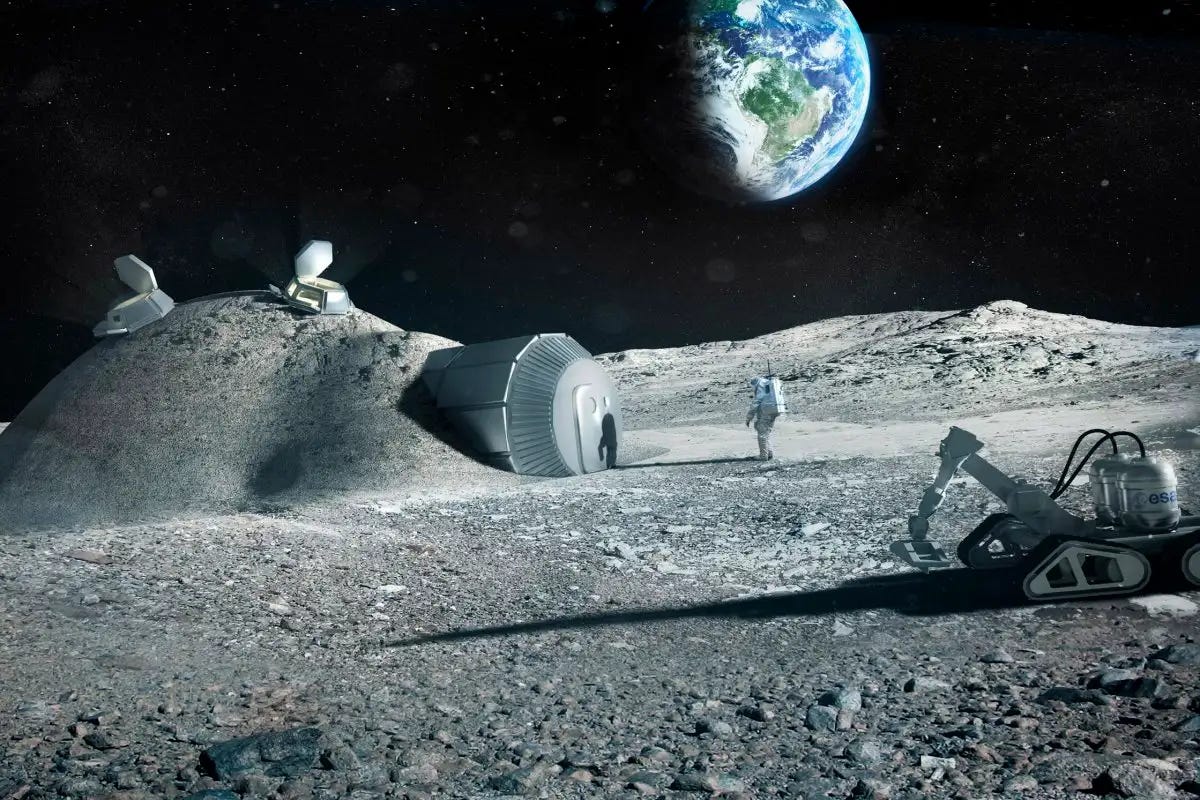
The United States has a plan. It’s called Artemis. It runs through NASA’s Space Launch System rocket, the Orion capsule, and a lunar lander being built by SpaceX. On paper, it’s ambitious: astronauts orbiting the Moon, then landing, then building a sustained presence.
In reality, it’s been slow, complicated, and increasingly uncertain.
The first crewed mission, Artemis II, has already been pushed back multiple times by technical problems — hydrogen leaks, helium issues, system failures — the kind of problems that come with trying to stitch together legacy hardware and new systems into something that has to work perfectly the first time.
The landing itself has slipped even further. What was once supposed to happen years ago has now been pushed into the late 2020s.
And the biggest technical hurdle — the SpaceX lander — depends on something that has never been done before: large-scale orbital refueling, requiring a chain of launches just to make a single mission possible.
All of that would be manageable if the direction were clear and stable.
But it isn’t.
Funding questions, political turnover, shifting priorities — all of it feeds into the same underlying uncertainty: how committed is the United States, really, to getting back to the Moon on any predictable timeline?
Because space programs don’t run on intention. They run on continuity. And right now, continuity is exactly what’s in doubt.
In the meantime, China is moving forward with its own lunar ambitions — robotic missions now, crewed missions not far behind. The timeline is tightening in a way that should feel familiar.
The early space race wasn’t defined by who had the best long-term plan. It was defined by who got there first — first satellite, first human in orbit, first spacewalk. The Soviet Union racked up those early wins. They shaped global perception. They carried political weight far beyond the technical achievements themselves.
The United States eventually answered with Apollo. That became the lasting image.
But history doesn’t guarantee a repeat performance.
If China lands astronauts on the Moon before the United States returns, it won’t erase Apollo. But it will reframe it. The story shifts from leadership to legacy — from present tense to past. The pioneers of entire industries are often remembered only in footnotes once someone else defines what comes next.
And that shift may already be starting, closer to home.
The U.S. plan is to hand off low-Earth orbit to commercial players — companies like Axiom Space, Vast, and Blue Origin’s Orbital Reef. But those companies are still early, still waiting on NASA to define the rules, still dependent on government support to make the economics work at all.
If the ISS is retired before something new is ready, the United States could lose its continuous human presence in space — something it has maintained for more than 25 years.
Low-Earth orbit is where the next phase of space activity takes shape — technically, economically, strategically. Lose your foothold there, and you’re not just pausing progress. You’re handing the initiative to someone else.
And right now, the only fully operational platform in orbit would be China’s.
There’s a harder truth running through all of this. We talk about commercialization, about private industry stepping in, about a new space economy. But that future still depends on government direction, funding, and follow-through. Without that, it doesn’t materialize.
For decades, the United States hasn’t just been the country that got to the Moon first. It’s been the country that stayed in space — continuously, visibly, without interruption.
That presence has been so constant it feels permanent.
But it isn’t.
And if that continuity breaks — in orbit, or on the path back to the Moon — then Clarke’s prediction starts to narrow even further.
First to the Moon, but not first back. First to the Moon, but not first to build a permanent presence. First to the Moon, but not first to truly make something of it.
And maybe, before long, not leading the space in between.
What do you think? Does the United States still have the will to lead in space — or are we already slipping behind? Leave a comment below. And if this piece made you think, share it. That’s what keeps this work independent.
my birthday is on July 20 – the day Mann landed on the moon. They landed on my fourth birthday. I hold that very dear. We should keep up space exploration, but for the right reason. Then again is staying on top of something the wrong reason? We keep having the Olympics we compete in other areas… Why not in space?