

The United States has just killed the most powerful man in Iran.
There was no declaration of war, even though President Trump used the word. Congress hasn’t declared war. Yet.
To understand why this moment is so volatile, you have to understand the history behind it.
The conflict between the United States and Iran didn’t start this year. It didn’t start with the Islamic Revolution. It didn’t even start with the hostage crisis.
In many ways, it began with a covert operation in 1953, when the United States helped overthrow Iran’s government and put a king back on the throne.
But even that is only part of the story.
Iran is the heir to an ancient civilization that once ruled much of the known world. It has experienced empire, foreign intervention, monarchy, revolution, and the rise of a modern religious state.
All of those layers still shape how Iran sees the United States — and how the United States sees Iran.
Persia: One of the World’s First Superpowers
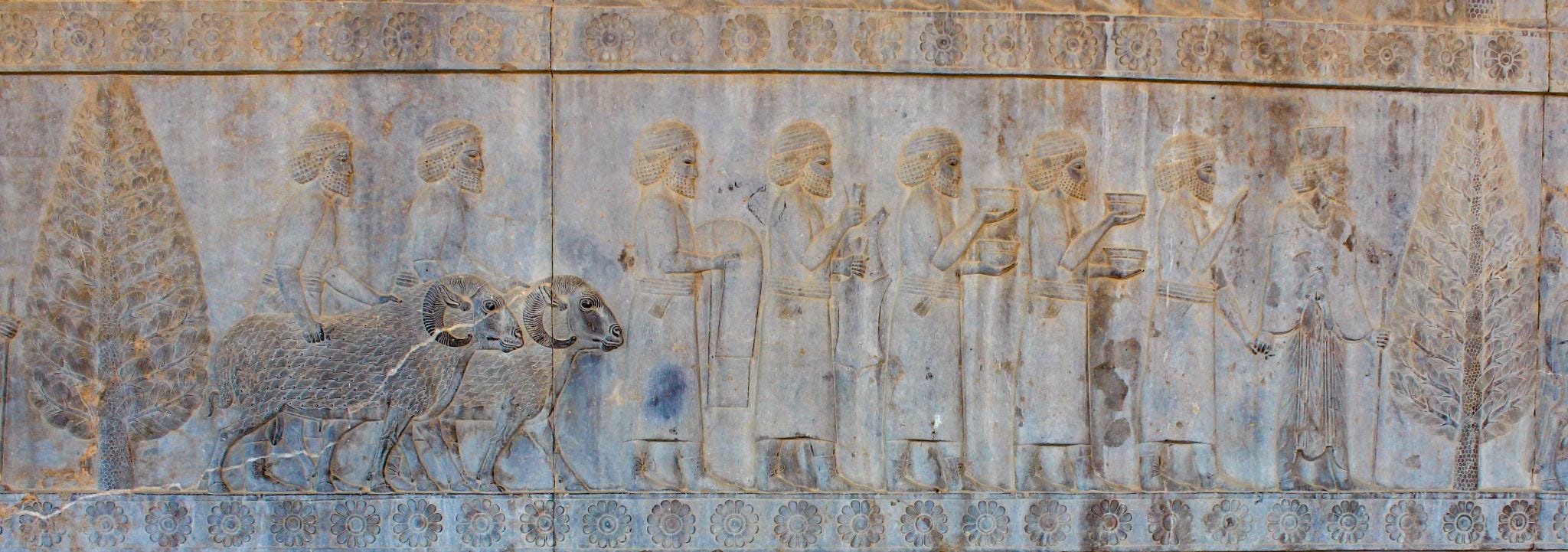
Long before the modern state of Iran existed, the region was the center of the Persian Empire.
At its height under Cyrus the Great in the sixth century BCE, Persia controlled territory stretching from the Mediterranean to India. It was one of the largest empires the world had ever seen.
The empire was sophisticated for its time. Persian rulers developed systems of taxation and administration that allowed them to govern vast territories. They built roads linking distant provinces and allowed conquered peoples to keep their religions and customs.
The empire eventually fell to Alexander the Great in 330 BCE. But Persian culture endured through later dynasties for centuries.
By the early twentieth century, Persia — renamed Iran in 1935 — was a monarchy trying to modernize while caught between powerful outside forces, especially Britain and the Soviet Union.
Iran Before the Coup
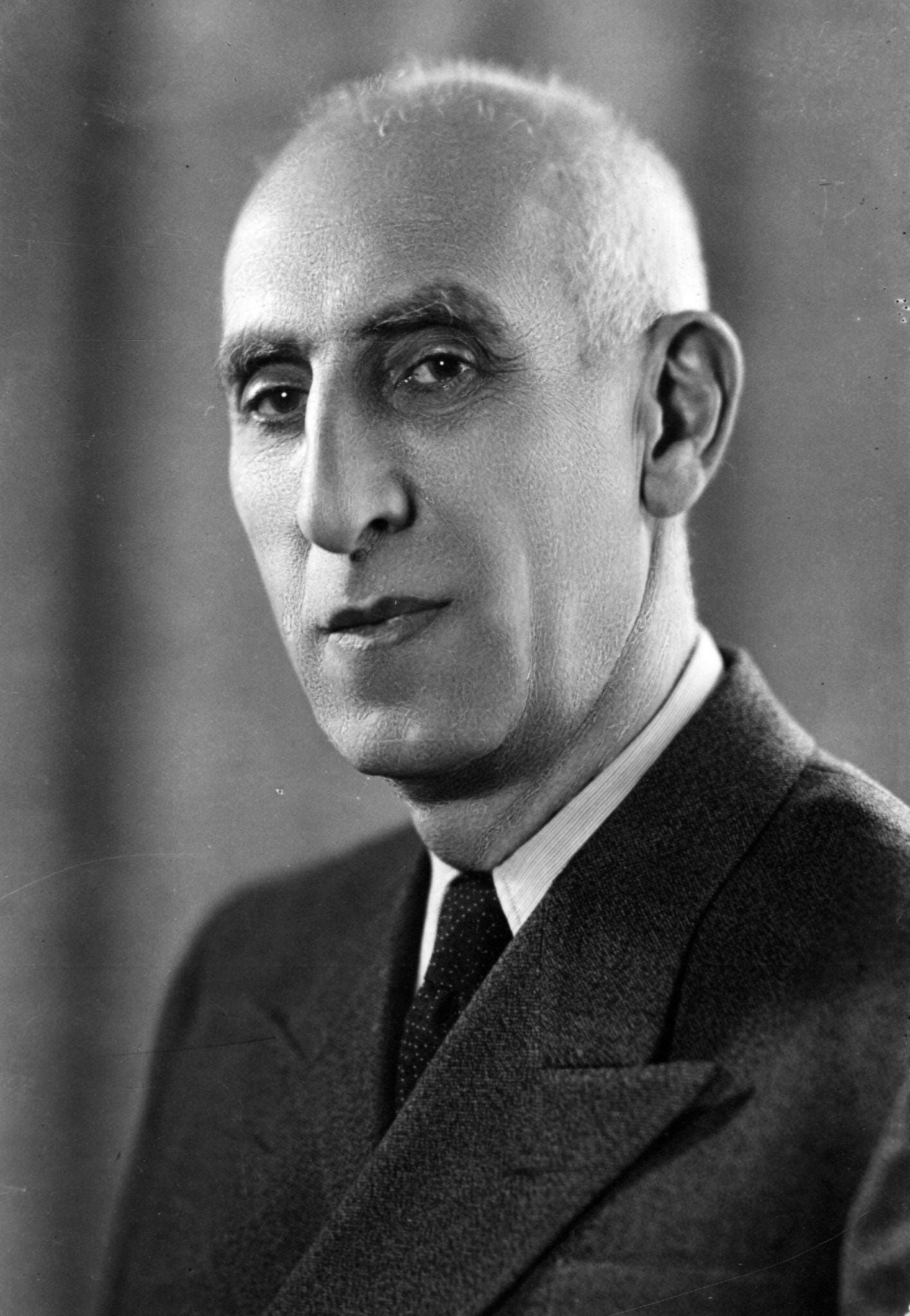
In the early 1950s, Iran was not ruled by clerics.
It was a constitutional monarchy with an elected parliament, and the most powerful political figure was the prime minister.
That prime minister was Mohammad Mosaddegh.
Mosaddegh was a nationalist reformer who enjoyed enormous popular support. His defining move was nationalizing Iran’s oil industry, which had long been controlled by the British-run Anglo-Iranian Oil Company.
For many Iranians, nationalizing oil was about reclaiming their country’s resources.
For Britain — and increasingly for the United States — it looked like a geopolitical threat. Not to mention that the all-powerful oil companies didn’t like it.
The CIA Coup
In 1953, American and British intelligence services carried out one of the most consequential covert operations of the Cold War.
The operation, known as the 1953 Iranian coup d’état, helped remove Mosaddegh from power.
The coup relied on propaganda, political pressure, and support from military officers. It restored the authority of Iran’s monarch, Mohammad Reza Pahlavi, who had briefly fled the country.
To the United States and Britain, the coup was a Cold War move to prevent Iran from drifting toward Soviet influence.
To many Iranians, it meant something different: their democratic government had been overthrown with foreign help.
That memory still shapes Iranian attitudes toward the United States today.
The Shah’s Iran
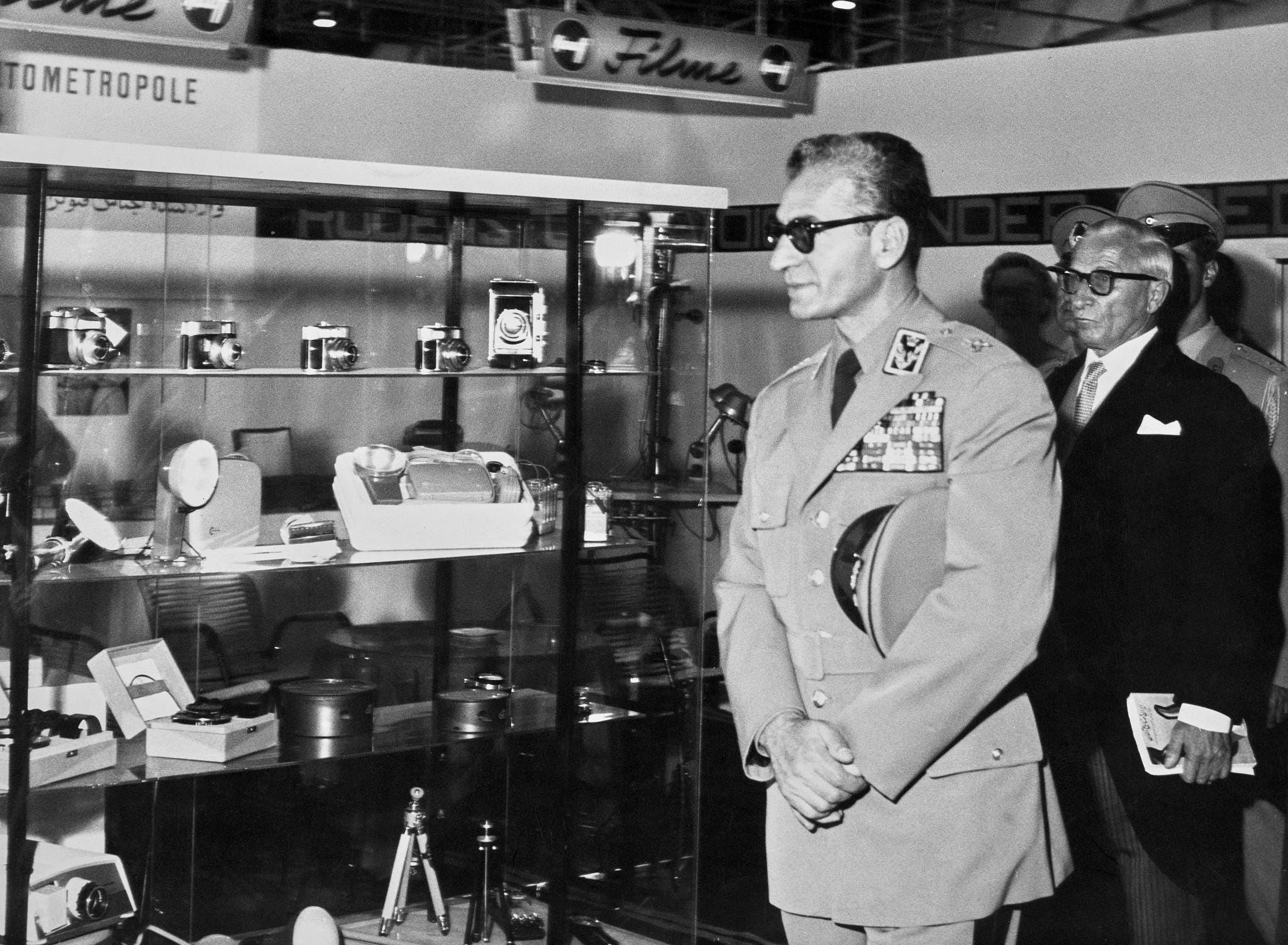
After the coup, the Shah consolidated power and launched a program of rapid modernization known as the White Revolution.
The reforms included land redistribution, expanded education, industrial growth, and increased rights for women.
But the Shah ruled as an increasingly authoritarian monarch.
Political parties were tightly controlled. Critics were jailed. His intelligence service, SAVAK, became notorious for surveillance, torture, and imprisonment of dissidents.
At the same time, oil wealth created a sharp divide between the elite and ordinary Iranians. Many religious leaders saw the Shah’s Westernizing reforms as an attack on Islamic tradition.
By the late 1970s, opposition to the Shah was growing across Iranian society.
The Islamic Revolution
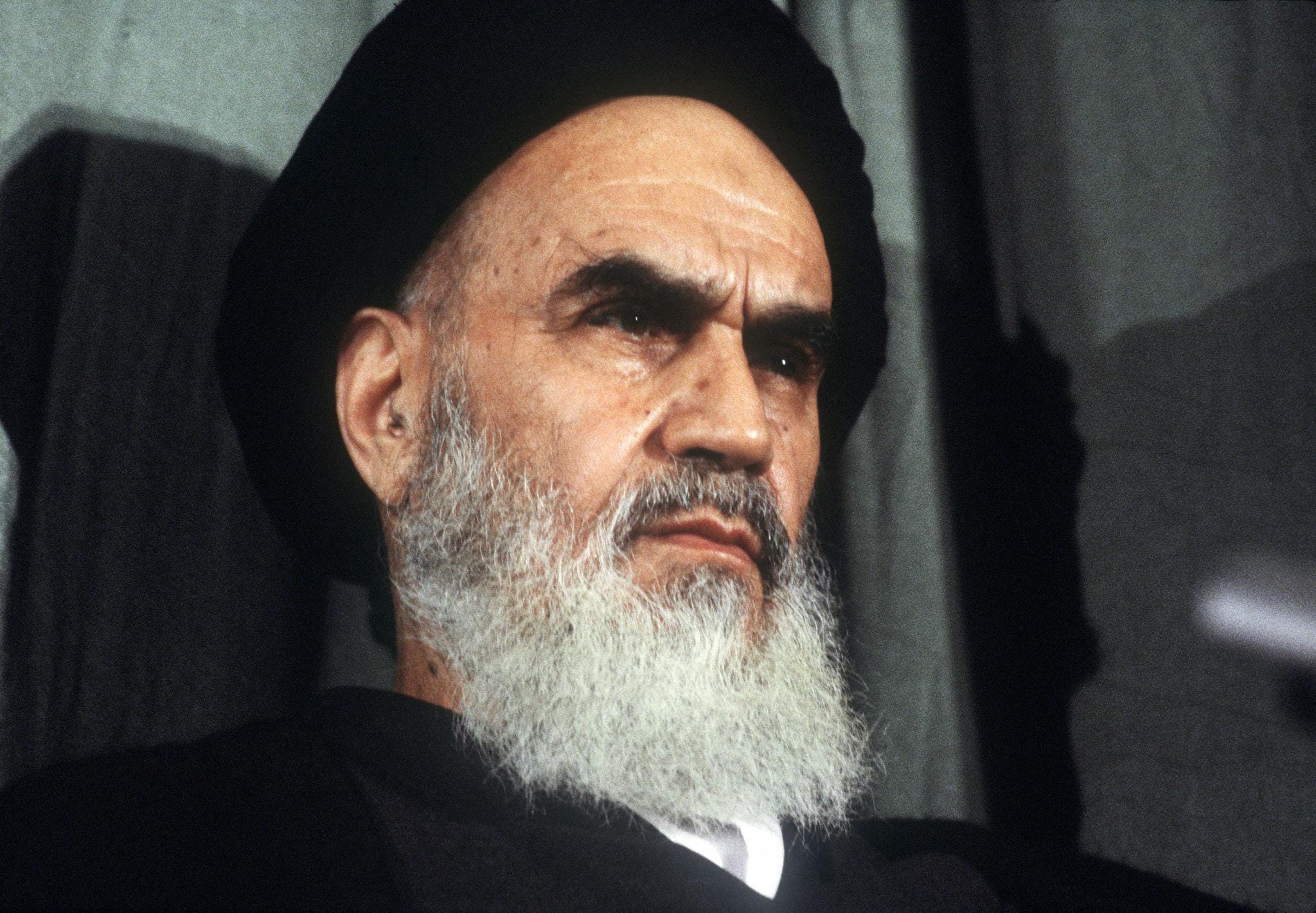
In 1979, mass protests forced the Shah to flee Iran.
The revolution that followed brought an exiled cleric back to power: Ruhollah Khomeini.
Khomeini transformed Iran into an Islamic Republic, blending elections with religious rule.
At the top of the system sits the Supreme Leader, a clerical authority with ultimate control over the military, the courts, and the direction of the state.
The Hostage Crisis
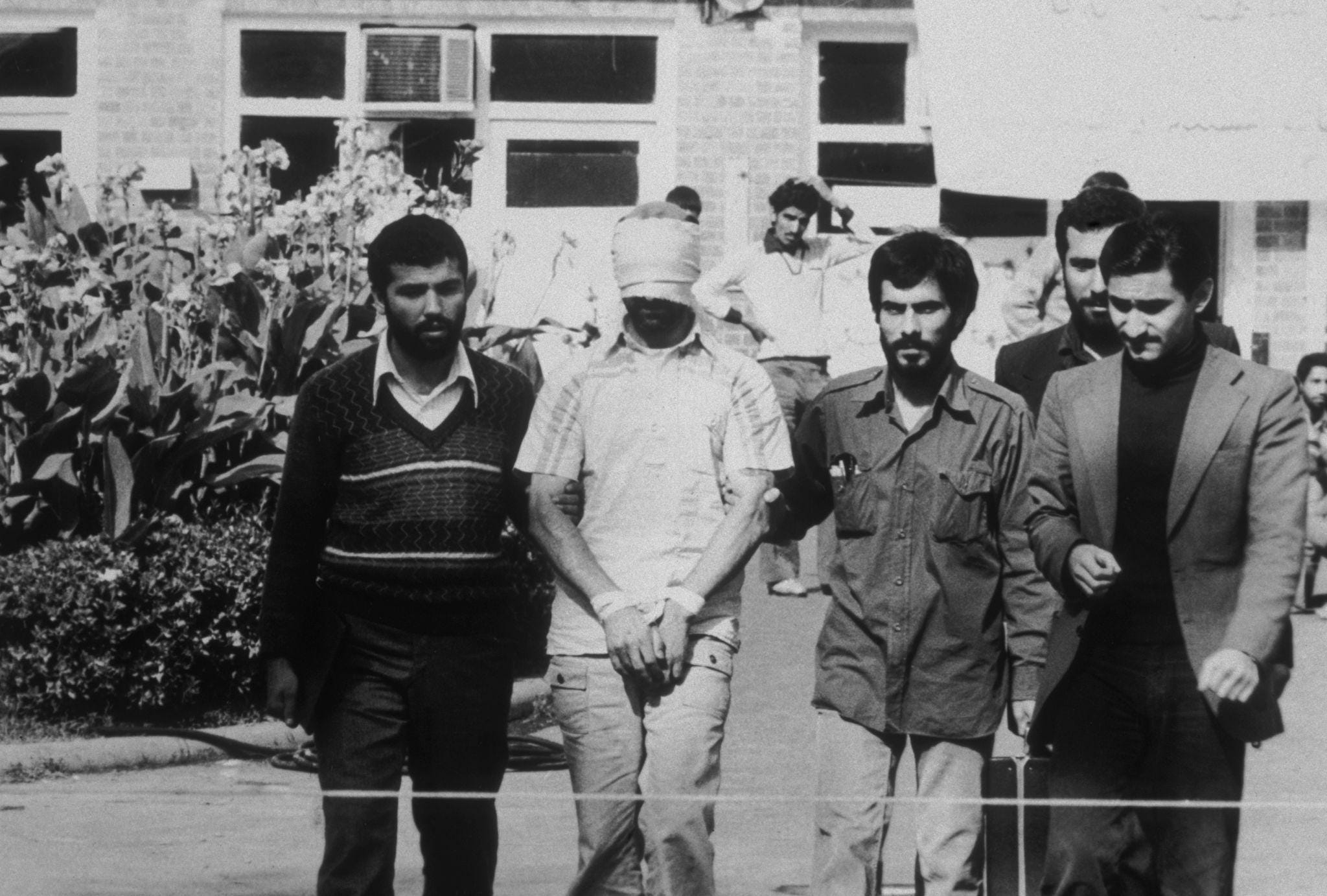
Relations with the United States collapsed almost immediately.
In November 1979, Iranian militants stormed the U.S. Embassy in Tehran.
They took 52 Americans hostage, holding them for 444 days.
The crisis dominated American news and shattered what remained of the relationship between Washington and Tehran.
The two countries have had no formal diplomatic relations ever since.
Iran Under the Supreme Leader
After Khomeini’s death in 1989, power passed to Ali Khamenei.
Khamenei ruled Iran for more than three decades.
As Supreme Leader, he held authority above the elected government. The president could manage day-to-day policy, but Khamenei had the final word on the military, intelligence services, courts, and foreign policy.
Under his leadership, Iran became a tightly controlled political system.
Opposition parties were suppressed. Journalists and activists were arrested. Critics of the regime could be charged with insulting the Supreme Leader or with blasphemy.
Major protest movements repeatedly erupted during his rule — including demonstrations in 1999, 2009, 2017, 2019, and 2022. Security forces crushed them with arrests and violence. The recent protest movement has been the most brutally repressed.
At the same time, Iran expanded its influence across the Middle East through proxy forces — including Hezbollah in Lebanon and other militias aligned with Tehran.
This strategy allowed Iran to challenge its rivals, especially the United States and Israel, without fighting a direct war.
One more piece of modern context: the 2015 Iran nuclear deal. The Obama administration and several world powers negotiated an agreement where Iran limited its nuclear program and allowed strict international inspections in exchange for relief from economic sanctions. International inspectors said Iran was complying.
In 2018, President Trump pulled the United States out of the deal and reimposed sanctions, arguing it didn’t go far enough. After the deal collapsed, Iran gradually began expanding its uranium enrichment again — and one of the few diplomatic guardrails between the two countries disappeared.
The Supreme Leader We Just Killed
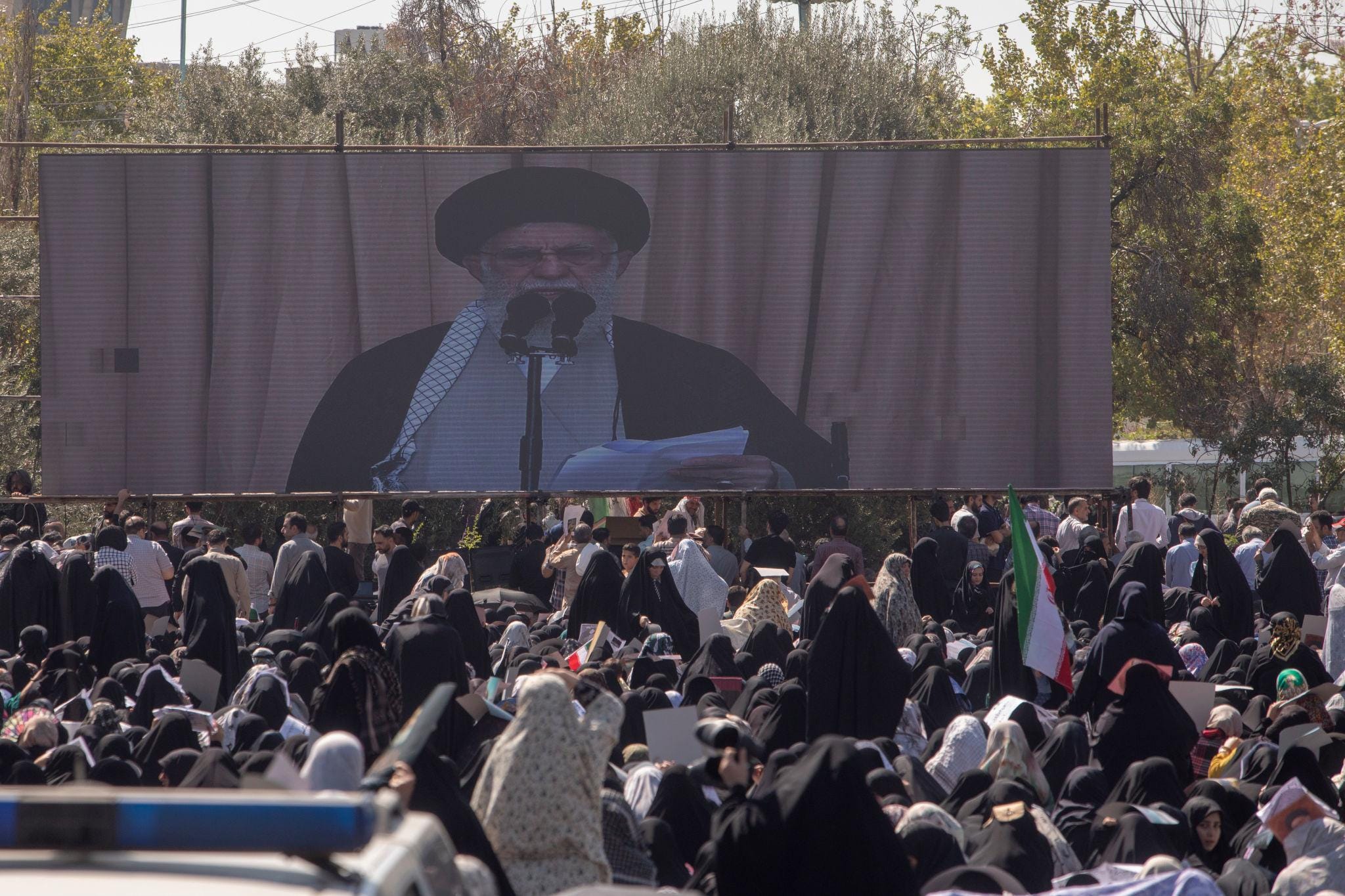
The recent strike that triggered the current crisis killed Khamenei, the most powerful man in Iran for decades. Supporters saw him as the guardian of the Islamic Revolution.
Critics saw something else: the architect of a deeply repressive political system that imprisoned dissidents, crushed protest movements, and restricted personal freedoms.
His death marks the first time a sitting Supreme Leader of Iran has been killed.
And it raises a fundamental question about what comes next.
Why This History Matters
Many Americans see Iran simply as an authoritarian adversary.
Many Iranians see a much longer story.
They remember the 1953 coup. They remember decades of support for the Shah. They remember the revolution that overthrew him.
None of that excuses the repression of Iran’s current government.
But it helps explain why distrust between Iran and the United States runs so deep — and why conflict between the two countries carries the weight of history.
What do you think? Let me know in the comments below.
One more piece of modern context: the 2015 Iran nuclear deal. The Obama administration and several world powers negotiated an agreement where Iran limited its nuclear program and allowed strict international inspections in exchange for relief from economic sanctions. International inspectors said Iran was complying. In 2018, President Trump pulled the United States out of the deal and reimposed sanctions, arguing it didn’t go far enough. After the deal collapsed, Iran gradually began expanding its uranium enrichment again — and one of the few diplomatic guardrails between the two countries disappeared.
Well researched and written. I learned some things today. Thank you Rob.