

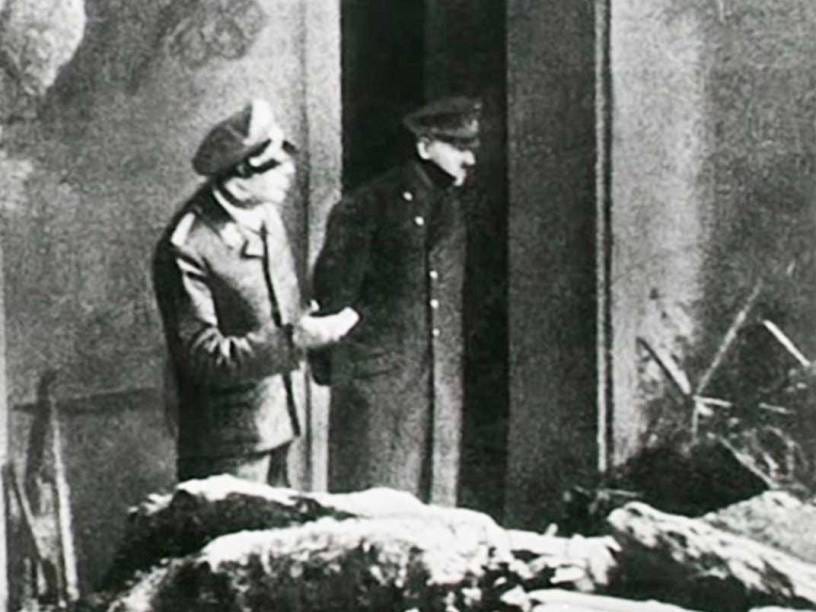
Adolf Hitler didn’t know when to quit.
Any military man could see the Third Reich was finished. Germany no longer had the resources. The industrial might of the United States was overwhelming. The Russians had an endless supply of soldiers. Allied forces were on German soil. The German army was spent — low on ammunition, low on fuel, low on food, low on manpower.
If any general dared suggest negotiating terms to save the country from total destruction, he was branded a traitor and shot.
Allied bombing raids were wiping whole cities off the map. Still, Hitler refused to give in. He couldn't believe he could lose. He imagined ghost armies — armies that no longer existed — somehow rallying to drive the Russians out of Berlin and deliver a miracle victory.
It wasn’t until Berlin was rubble and the Soviets were just a few blocks away from his bunker that reality cracked through.
Even then, he refused to surrender. His generals told him he could still save lives, save cities, save something — if he gave up. He wouldn’t hear it.
Instead, Hitler decided it wasn’t his fault. It couldn't be. He couldn't lose. It had to be Germany's fault. The people were weak. They deserved to be crushed. Let the bombs fall. Let the cities burn. Let the land be leveled.
He refused to surrender out of pure spite. Then he took the coward’s way out — killing himself while the country he claimed to love was annihilated. In his final moments, he still believed Germany had betrayed him.
One man’s delusions can destroy a nation — or a continent — if enough people are willing to believe him.
Or worse, if they’re too afraid to stop him.