

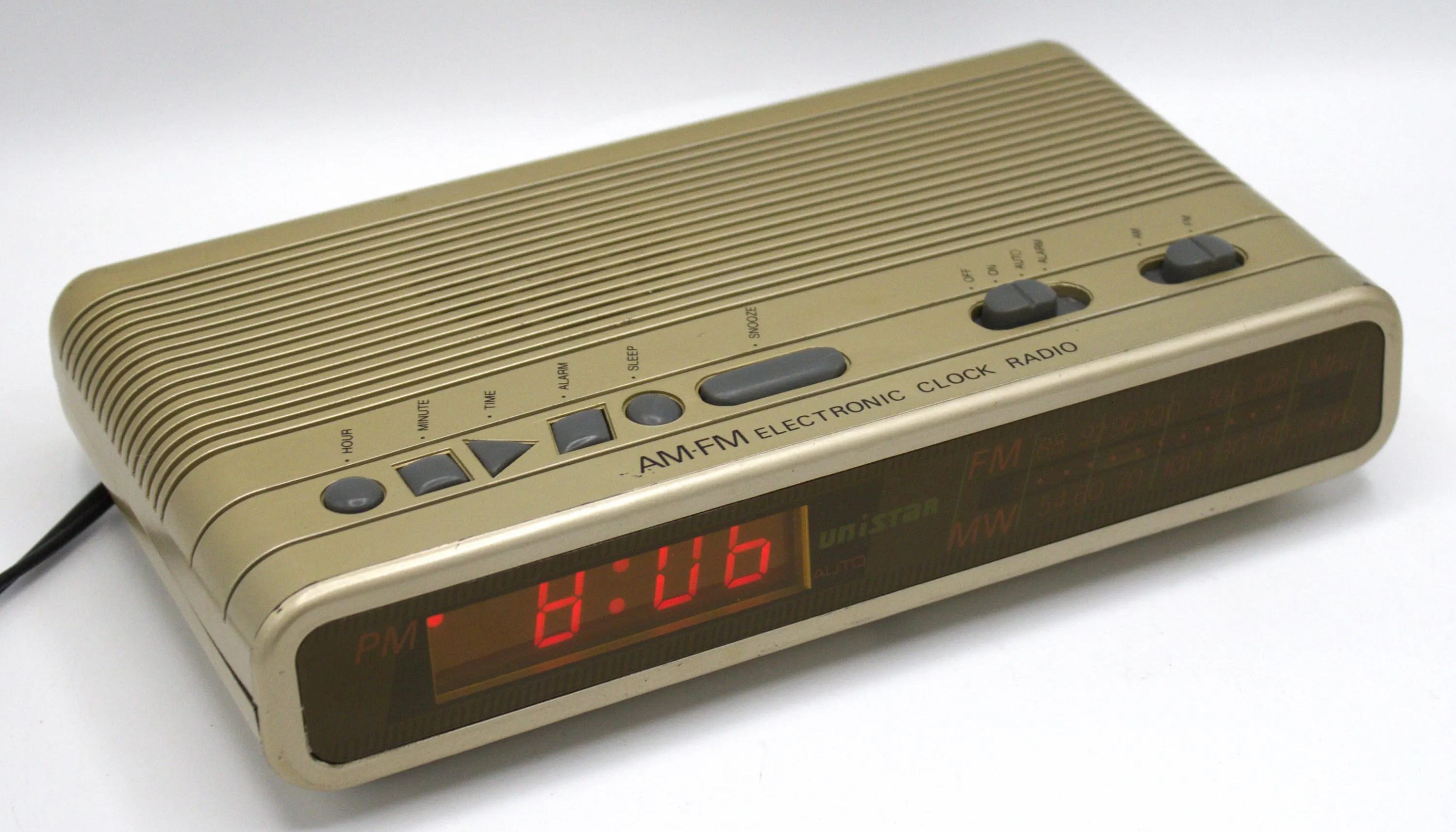
Good morning. Or at least, that’s what they tell us.
If you’re reading this right now and your eyes are held open by sheer willpower and the threat of a third cup of coffee, you’re not alone. This is the Monday morning after Daylight Saving Time kicked in — the one weekend a year where the country collectively loses an hour of sleep and then has to be somewhere on time anyway.
We’re all a little bleary this morning. The alarm went off, and somewhere in the fog between asleep and awake, most of us thought, “Wait — what time is it actually?” And honestly, that’s a fair question. Because as far as your body is concerned, it’s still last night.
The good news: you’ll adjust. Probably by Thursday. Longer, if you’re older.
The bad news: some AM radio stations don’t get that luxury.
Your Body Has Opinions About This
Before we get into the radio stuff, let’s just acknowledge: health experts aren’t fans of this whole springing-forward thing.
Medical researchers have spent years pointing out that the twice-yearly clock change disrupts your circadian rhythm — the internal body clock that controls sleep, metabolism, mood, and a lot of other things you don’t notice until they go sideways. The Monday after the spring change, in particular, shows upticks in traffic accidents, workplace errors, and heart events. Your body isn’t confused in a cute way. It’s confused in a “who moved everything in my house” kind of way.
Interestingly, when Congress started debating what to do about all this, the medical community didn’t just say “stop changing the clocks.” They got more specific. Several major health organizations have actually come out in favor of ditching Daylight Saving Time permanently — and going back to standard time year-round. Their argument is that the body’s internal clock is more naturally aligned with standard time, which tracks better with actual sunrise and sunset.
That’s worth keeping in mind, because the debate in Washington is going a very different direction.
Now, About Those Radio Stations...
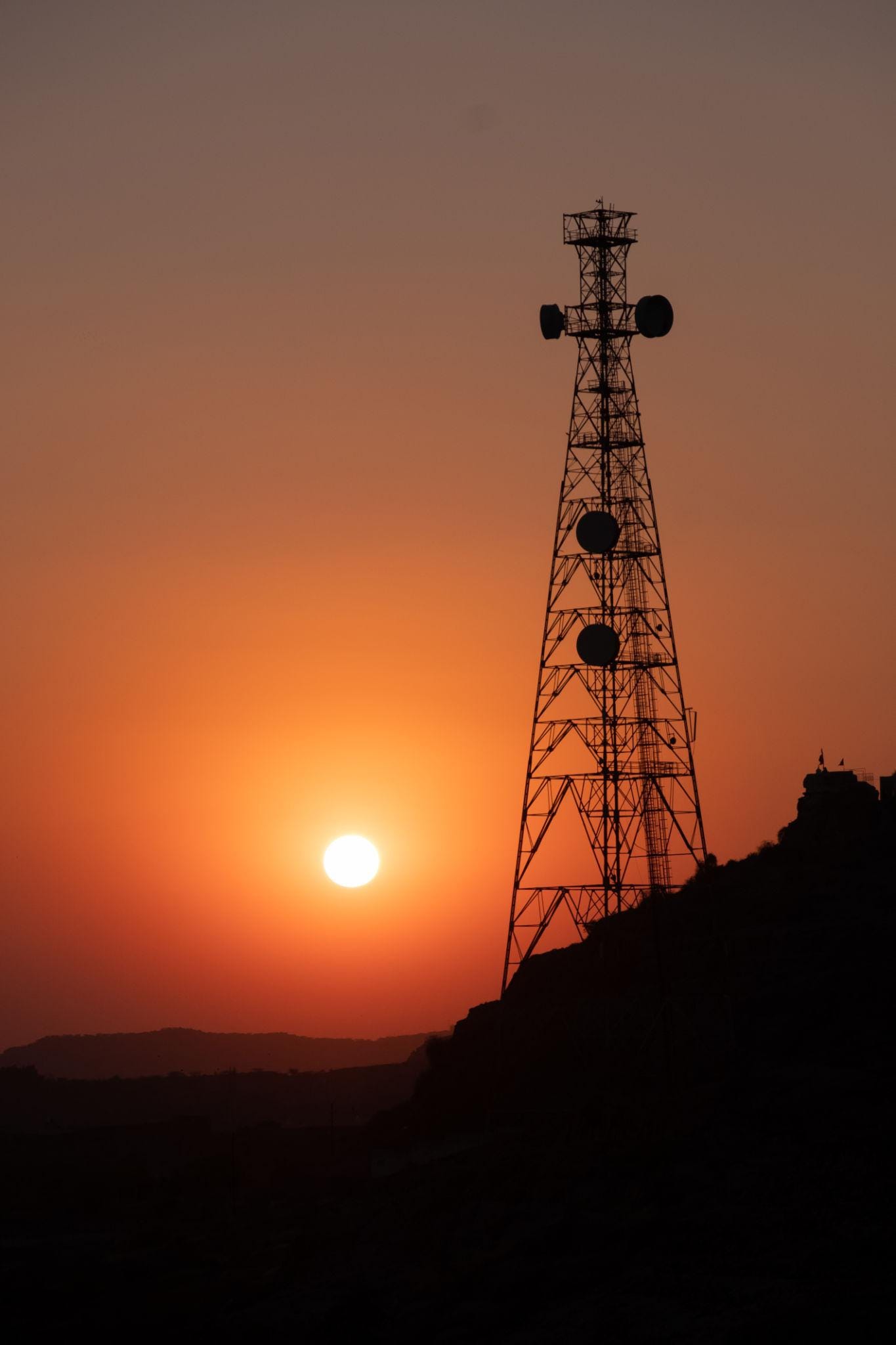
Here’s something most people don’t know: not all AM radio stations are on the air 24 hours a day.
There’s a whole category of stations called “daytime-only” operations — and they can only broadcast between local sunrise and sunset. Period. It’s an FCC licensing rule that goes back decades, designed to prevent their signals from traveling too far at night and interfering with other stations on the same frequency. When the sun goes down, they go quiet.
So what does that have to do with the time change? Everything.
When we spring forward in March, the clock says it’s later than it was — but the sun hasn’t gotten the memo. Sunrise still happens at the same moment in nature. On the clock, though, it’s now showing up an hour later than it did the week before. So a station that used to sign on at 6:00 AM might now have to wait until 7:00 AM to flip the switch. And in the winter months, when sunrises are already late, some stations in northern parts of the country could be sitting silent well into the morning.
Morning drive — that roughly 6 to 10 AM window when millions of people are in their cars, in the kitchen, or getting the kids ready for school — is the most valuable daypart in radio. It’s when audiences are biggest, advertisers pay the most, and a station makes a huge chunk of its revenue for the entire day.
Missing part of that window isn’t just an inconvenience. For some stations, it’s a real financial hit. Especially for small-town stations that super-serve their communities.
Congress Is Trying to Fix This. Sort Of.
There’s been no shortage of proposals on Capitol Hill to get rid of the twice-yearly clock shuffle. The biggest is the Sunshine Protection Act, which would make Daylight Saving Time permanent nationwide — keeping those longer evening hours all year long. It’s been introduced in both the Senate (S.29) and the House (H.R.139), and it has had real momentum at times.
A couple of additional bills would let individual states opt into permanent DST on their own, rather than waiting for a federal fix. And Rep. Greg Steube of Florida threw another idea into the mix with the Daylight Act, which would split the difference and move clocks ahead by a permanent half hour.
The problem? None of it has passed.
The Senate tried to fast-track the Sunshine Protection Act last October, and it was blocked. One of the key objections came from Senator Tom Cotton of Arkansas, who pointed out something that the “longer evenings forever” crowd tends to gloss over: if you make Daylight Saving Time permanent, winter sunrises get extremely late in parts of the country.
How late? Try this: under permanent DST, the sun wouldn’t rise until nearly 9 AM in Seattle during the winter months. In Williston, North Dakota, you’d be looking at close to 9:45 AM before the sun shows up.
That’s not a minor inconvenience. That’s kids going to school, and people going to work, in complete darkness.
And for broadcasters? Those sunrise times are sign-on times. A daytime-only AM station in the northern plains could be completely off the air for nearly the first two hours of morning drive, every single winter day. Permanently.
The Broadcast Industry Is Paying Attention

The National Association of Broadcasters has been pretty direct about where it stands: don’t make Daylight Saving Time permanent. The NAB has urged lawmakers to reject the idea, citing the operational impact on radio stations across the country.
The National Religious Broadcasters, which represents a significant number of AM stations nationwide, has also weighed in — calling for more research into how a permanent shift would affect broadcast operations before anything gets locked in.
Now, to be fair, there’s a flip side here. Permanent DST would push sunset later in the day during winter months, which could actually help some stations extend their afternoon broadcast window. More daylight in the evening means more airtime.
But broadcasters argue — and the math backs them up — that afternoon gains don’t come close to offsetting losses during morning drive.
Morning drive is where the money is. Afternoon drive is nice. But in terms of revenue and audience, they’re not equal.
So Who Actually Wants This?
Plenty of people, actually.
The golf industry loves the idea of longer evening daylight — more time to play after work means more rounds, more green fees, more everything. Tourism businesses are enthusiastic for similar reasons. And a growing chunk of the general public is just plain tired of resetting every clock in their house twice a year and spending a week feeling jet-lagged without ever leaving home.
There’s also been action at the state level. Dozens of states have introduced their own legislation in recent years — Mississippi, Missouri, Nebraska, New Mexico, New York, Virginia, West Virginia, and others.
But here’s the catch: states can adopt permanent standard time on their own without federal approval. Permanent Daylight Saving Time requires an act of Congress. So even if a state wants to spring forward forever, they have to wait for Washington to move first.
For Now, We’re Still Doing This Dance
Until Congress actually gets something across the finish line — which, given recent history, is not a sure thing — Americans will keep doing this twice a year.
We sprang forward this past weekend. And we’ll fall back again on November 1.
In the meantime, daytime-only AM stations are doing what they’ve always done: working within the sunrise and sunset schedule, adjusting their sign-ons with the seasons, and hoping that whatever Congress eventually decides doesn’t permanently darken their best hours of the day.
Meanwhile, we’re just trying to get through Monday.
The coffee will help. Probably.
What do you think? Leave a comment below.
I did not know all of this. I did not know much of it at all. For whatever reason my brain apparently stopped at "Quit playing with the clocks for the love of God!!"
Thank you Rob.
At my first radio gig at WSWN in Belle Glade, FL, when I arrived for the morning shift on the FM side, part of the ritual was going into the transmitter room and "warming up" the tubes, and then prepping to switch the AM transmitter to full power at sunrise. And I was still just a kid!