Is This the End of Public Broadcasting in America?
Congress defunded the Corporation for Public Broadcasting, and now it's dissolving. The consequences will last decades.
The news landed Monday morning with a thud: after 58 years, the Corporation for Public Broadcasting is shutting down.
CPB’s board voted to dissolve the organization rather than limp along without funding. It wasn’t just a bureaucratic decision. It was an admission that public media cannot exist in name only. Strip away the public part, and the mission collapses with it.
One friend put it bluntly:
“Dictatorships love the absence of critical media. Just saying.”
This didn’t happen overnight. The shutdown of CPB is the end of a long campaign. For decades, Republicans — and more recently the MAGA movement — have treated public broadcasting not as a civic good, but as an enemy. NPR and PBS weren’t seen as educational or informational. They were labeled “liberal,” then “fake,” then “propaganda.”
Donald Trump accelerated that hostility. In both his first and second terms, he repeatedly proposed budgets that wiped out CPB funding entirely. He attacked public media by name. These weren’t just throwaway lines. They were signals — to Congress, donors, and regulators — that public media was fair game.
That thinking was later locked into policy. Project 2025 openly called for defunding CPB, arguing that public media is unnecessary and should be forced to survive in the private market. In plain English: if it can’t make money, let it die.
And now it has.
Another friend, a former public radio professional, said this:
“This simultaneously breaks my heart and disgusts me. Also, you can’t view this in an arts vacuum. This will be the Kennedy Center date before the end of the calendar year.”
That matters. This isn’t just about news. It’s about culture. Education. History. Anything that doesn’t turn an immediate profit is suddenly suspect.
Here’s what the loss of CPB really means.
First, local journalism takes the hit. CPB wasn’t the headquarters of NPR or PBS. It was the funding backbone for more than 1,500 local public radio and TV stations. In many rural areas and small towns, the public station is the only source of non-profit, local accountability reporting. When that goes away, nothing replaces it.
Second, access becomes unequal. Public broadcasting was designed to reach people regardless of income or location. Without federal support, stations will lean harder on wealthy donors and corporate sponsors. Content follows money. That means fewer educational programs for kids who need them most, and fewer services aimed at communities with the least power.
Third, partisanship wins. CPB helped maintain a shared space — an electronic commons — where facts still mattered more than outrage. With that gone, the field is left to commercial media driven by clicks, algorithms, and anger. Journalism stops being a public service and becomes just another product.
It didn’t have to be this way.
CPB was created by the Public Broadcasting Act of 1967, signed by President Lyndon Johnson. The idea was simple: build a firewall between politics and programming. The government would fund public media, but not control it. That firewall held for nearly six decades.
CPB helped bring Sesame Street, Mister Rogers’ Neighborhood, Frontline, and Morning Edition into American homes. It turned television and radio into classrooms and town halls. It treated information as a public utility.
That era is over.
Another friend summed it up this way:
“It’s unconscionable that organizations like CPB and Skydance/Paramount are sacrificing the strengths and values of a free press by succumbing to the threats of this administration.”
The message is clear: fall in line, or lose funding. Public media refused to bend, so it was broken instead.
CPB says its archives will be preserved. History will be saved. But history is not the same as a future.
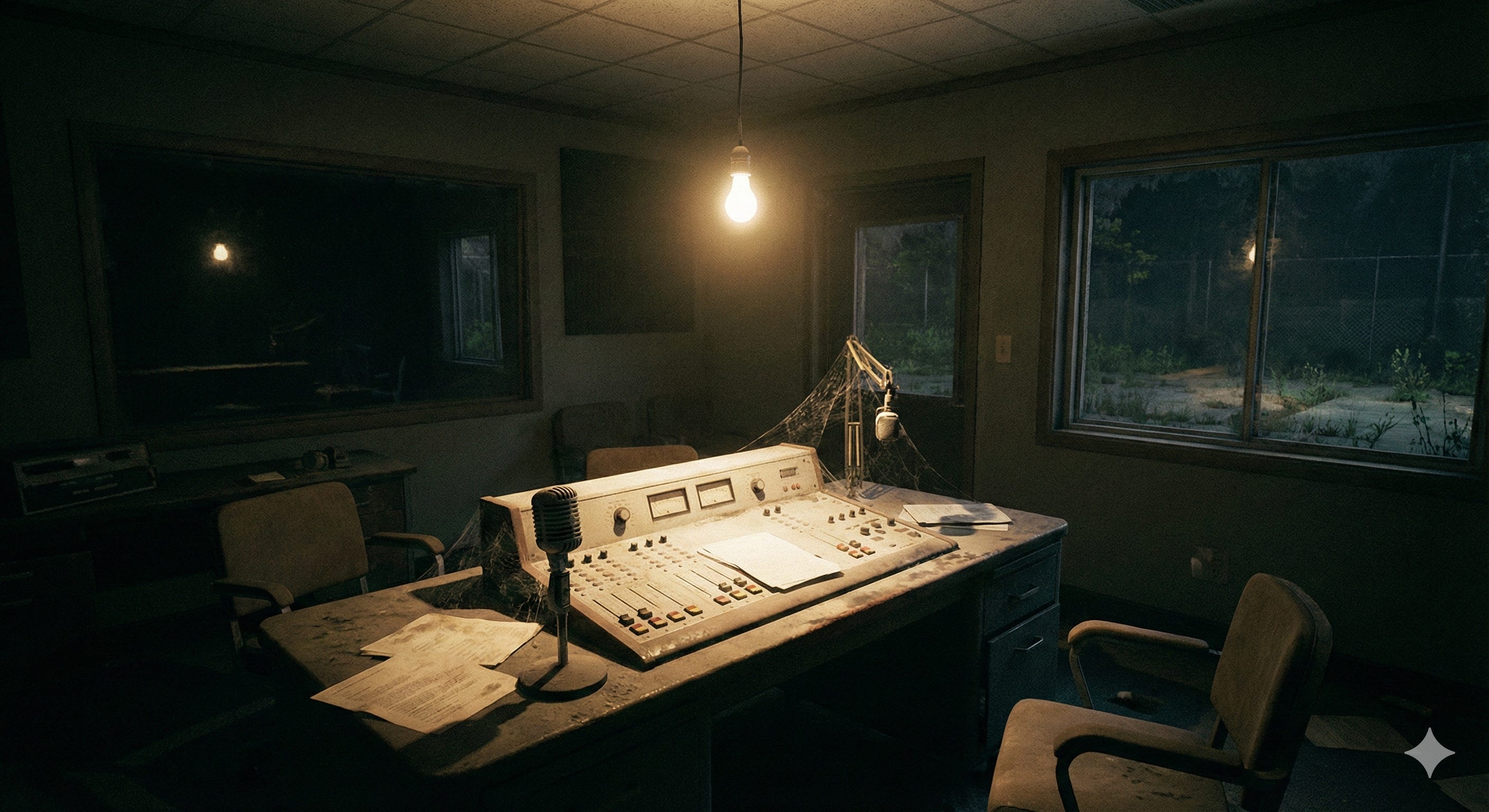
The signal has gone dark.
What comes next depends on whether we decide that shared truth, education, and independent journalism are still worth paying for — or whether silence is acceptable.
Once it sets in, it’s very hard to undo.


