

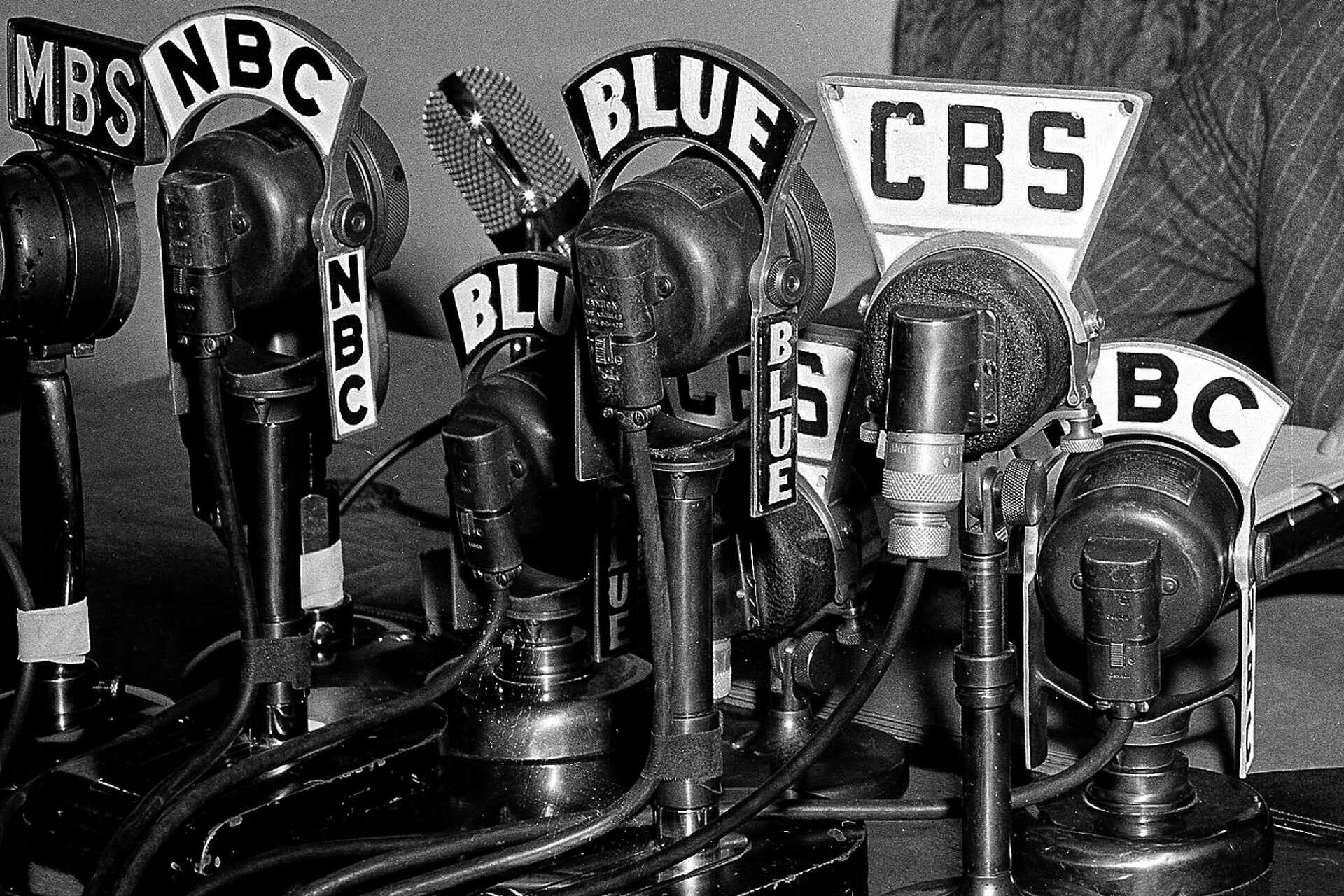
Long before television flickered into American living rooms, before Walter Cronkite became “the most trusted man in America,” before even the idea of a nightly newscast had fully taken shape, there was radio — immediate, intimate, and, at its best, revolutionary.
And at the center of that revolution was CBS News Radio. In the late 1920s and early 1930s, as networks were still figuring out what they were, CBS began to treat news not as filler between entertainment programs, but as something central to its identity. That was not the industry standard at the time. News on the radio was often sponsored, shaped by advertisers, and delivered in a tone that felt more like a bulletin than journalism.
CBS saw something else. It saw the possibility of building a national audience around credibility — around the idea that when something happened, you could turn on the radio and hear it clearly, directly, and with authority.
It would become home to what many consider the first true national radio newscast.
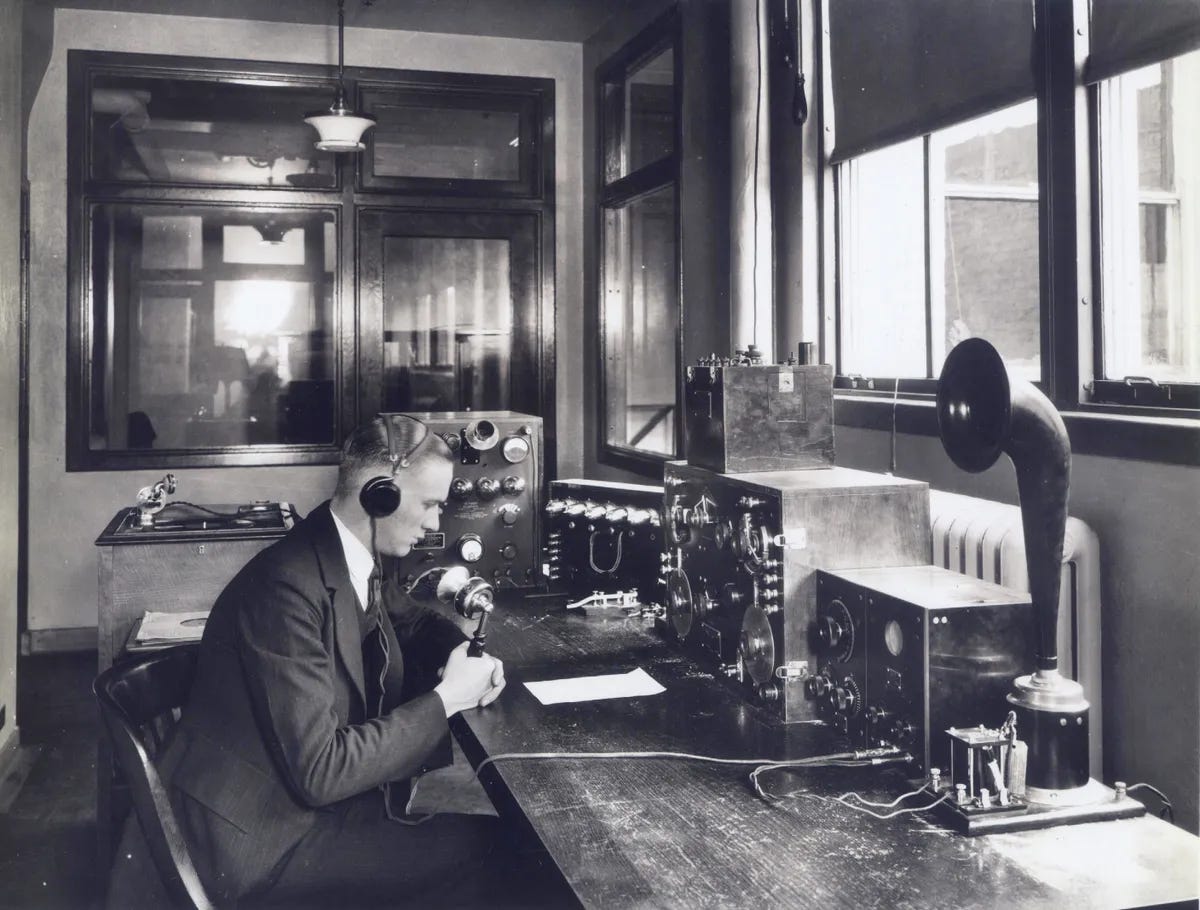
That shift didn’t happen by accident. It happened because CBS made a series of decisions that seem obvious now but at the time were radical. The network moved away from sponsored news, funding its news division internally, giving it a degree of independence that competitors didn’t match. It invested in reporters, not just announcers, people who could write well and say it into a microphone. It built out a system of correspondents around the country and around the world. And it leaned into the one thing radio could do better than anything else at the time: bring you there. Not summarize the story after the fact, but let you hear it unfold.
Those decisions transformed radio news from something passive into something immersive — and set a template every broadcast news operation that followed would borrow from, whether they admitted it or not.
By the time World War II began, CBS News Radio had become something entirely new: a real-time window into global events. That transformation is inseparable from one name — Edward R. Murrow. Murrow didn’t just report the news. He changed how it sounded and what audiences expected from it.
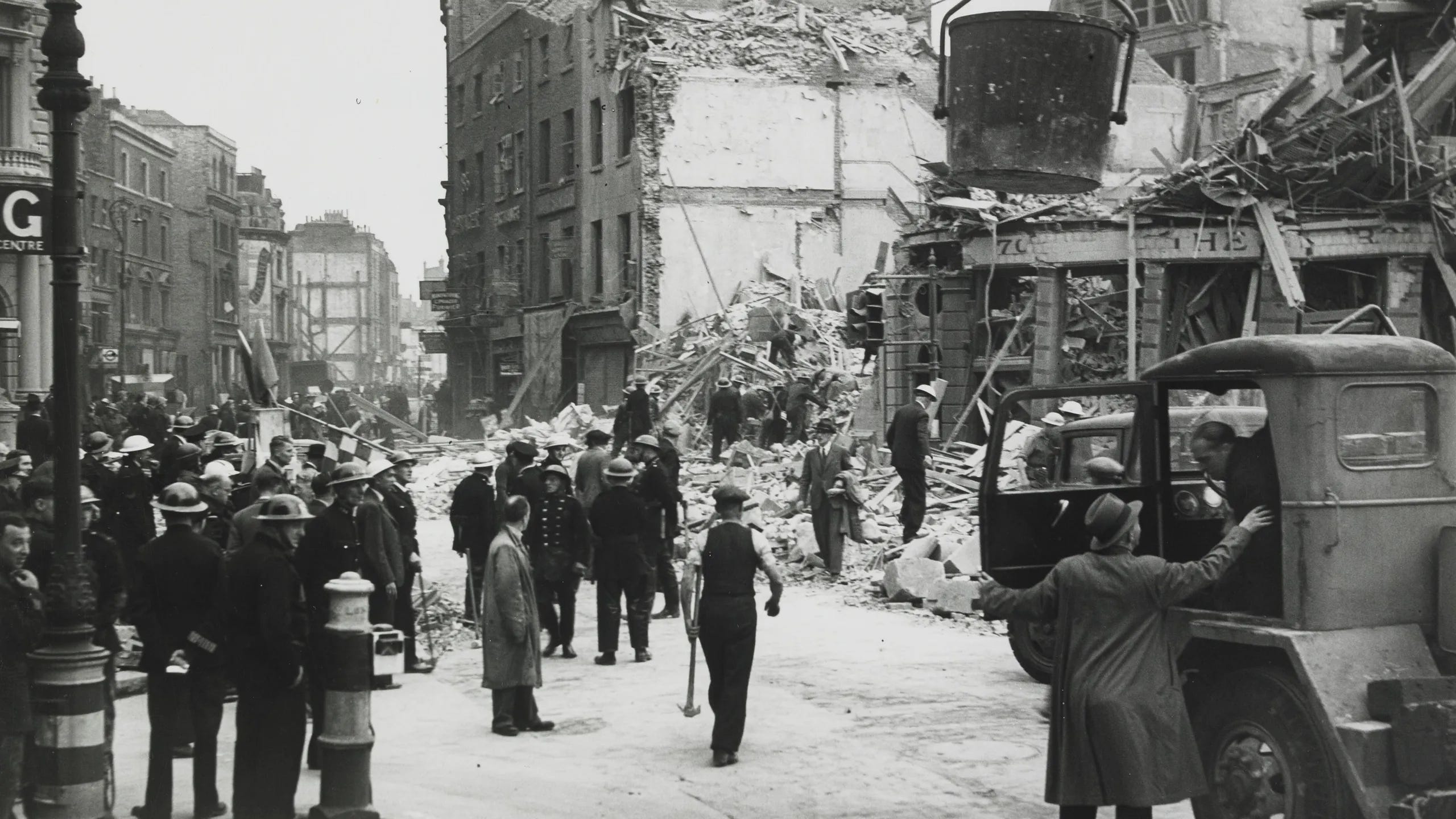
From London, during the Blitz, his broadcasts carried the reality of war directly into American homes. You could hear the bombs. You could hear the pauses, the restraint, the quiet authority in his voice as he described what was happening around him. It wasn’t dramatic for the sake of drama. It was precise. It was human. And it was trusted.
Murrow built a team — reporters like William L. Shirer and Eric Sevareid — who extended that approach across Europe, creating something that had never really existed before: a global broadcast news operation with a consistent voice and standard.
That standard became the blueprint. The idea that news should be gathered by trained correspondents, verified, written clearly, and delivered in a way that respected the audience’s intelligence — that idea didn’t come out of nowhere. It was built, piece by piece, on CBS radio. The cadence of the writing. The discipline of the reporting. The separation, however imperfect, between news and promotion. These choices created trust. When Americans tuned in during the war, they weren’t just listening for updates. They were listening for understanding. That distinction still defines good broadcast journalism today.
And then came television. When CBS made the move into TV news in the late 1940s and early 1950s, it didn’t start from scratch. It didn’t have to. The language, the structure, the philosophy — all of it had already been worked out first on radio.
Murrow himself made the transition, bringing those same standards with him. Programs like See It Now carried that DNA directly onto the screen, proving that the core of broadcast journalism wasn’t the medium. It was the method, the discipline, and the voice. Television added pictures, but the foundation — the reason people trusted what they were seeing — had been built years earlier, in sound.
When people talk about the golden age of television news, they tend to start with Cronkite, or with the big network broadcasts of the 1960s. But those didn’t emerge in a vacuum. They were the next step in a process that began with CBS News Radio — with a network that decided news was worth doing well, worth investing in, and worth protecting from the forces that would inevitably try to shape it. Without that foundation, there is no CBS News as we came to know it. No standard for what a national broadcast should sound like. No expectation of authority, clarity, and trust.
And maybe that’s why what’s happening now hits differently. Because when you understand what CBS News Radio was — not just a distribution system, but the origin point for an entire way of doing journalism — its decline signals the erosion of a foundation. The quiet dismantling of something that, for nearly a century, helped define what it meant for a nation to be informed.
And as media fragments further — and voices willing to question power or challenge the government are pushed to the margins — something else disappears with it. Not just a network. A standard.
What do you think? Let me know in the comments below.
It's becoming easier to feel as though there are no standards --as good writing, sourced, and clearly reported becomes more difficult to find. I appreciate you providing just that, with regularity, Rob. Thank you.