

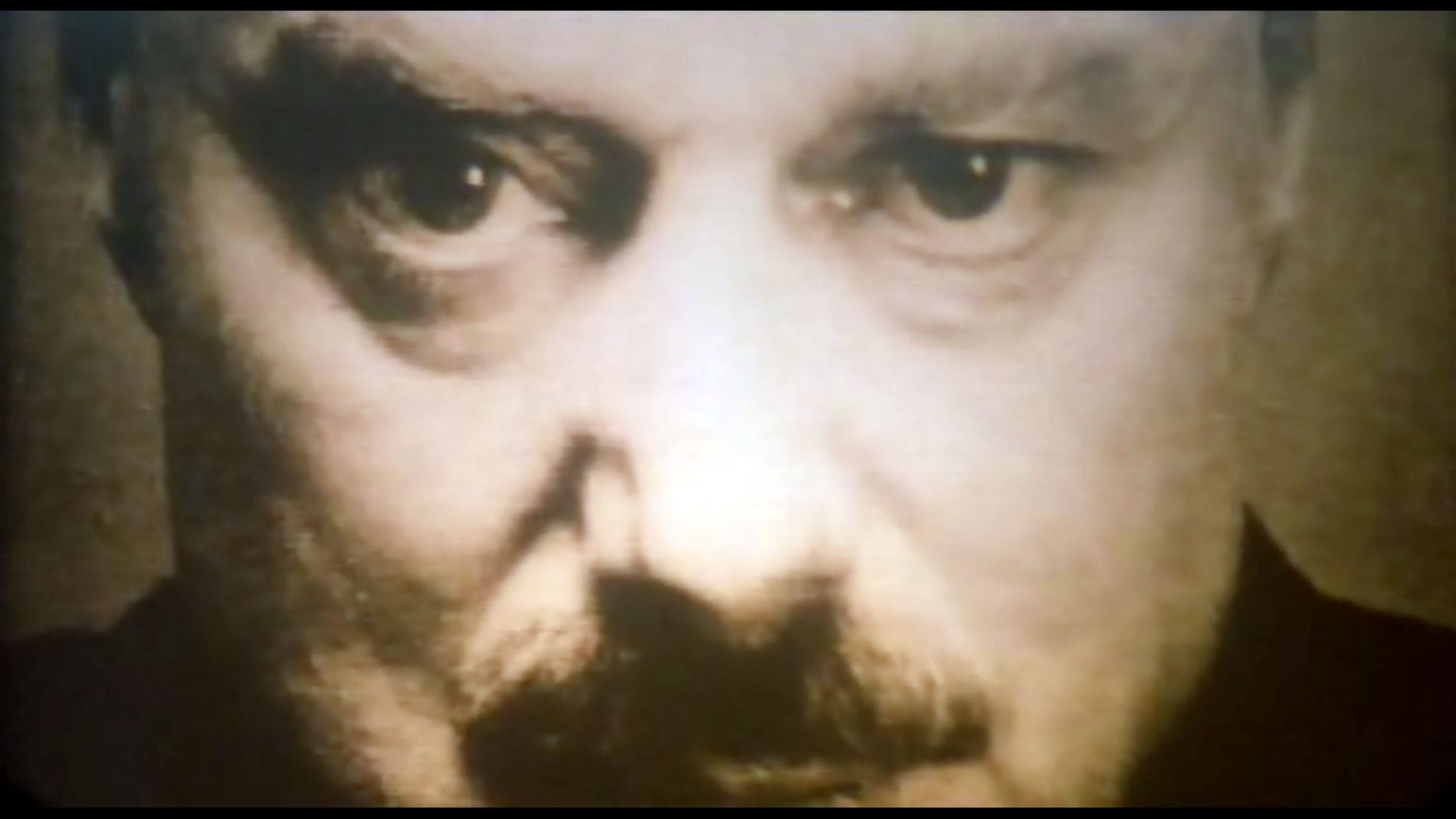
It usually starts the same way—with a target.
Not just an opponent, but something more than that. Illegitimate. Dangerous. Corrupt. A threat to the country itself.
You notice it at first in the words they use. Political rivals become enemies. Opposition becomes sabotage. Disagreement becomes disloyalty. The language shift starts slowly, then picks up weight and speed, and it becomes a semi barreling down the road and running over all those dangerous people without remorse.
Once that line gets crossed, things move faster than people expect. Because by then, enough people have already accepted the premise. Removing the opposition doesn’t feel like repression anymore. It feels justified. Even necessary. You can talk just enough people into it.
Take, for example, this post from the President of the United States.
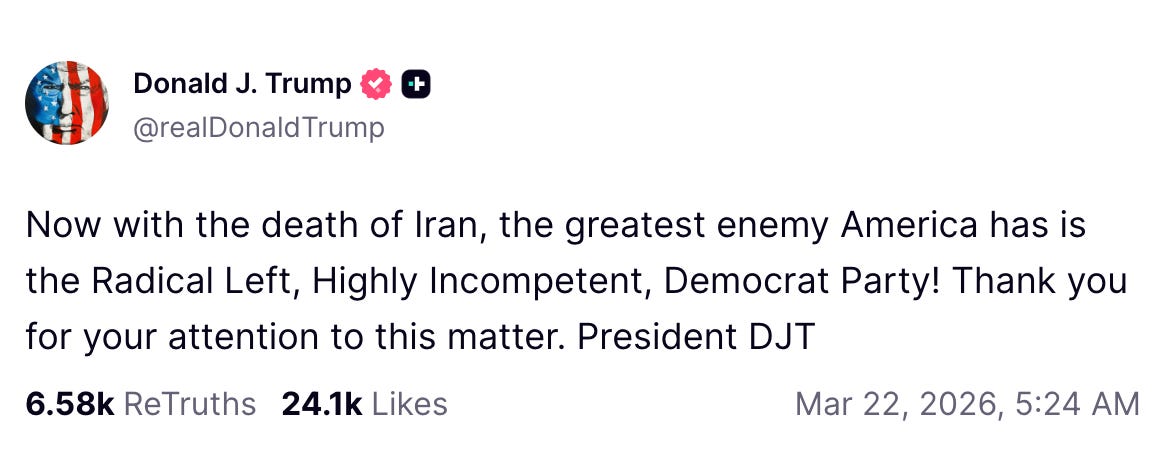
Sounds like a big desire for a one-party state in America.
In the Soviet Union, the Bolsheviks didn’t wake up one day and ban every other party. They chipped away at them. Marginalized them. Painted them as counter-revolutionary until just being associated with them carried risk. By the time Joseph Stalin locked in power, there wasn’t much left to eliminate. The structure was still there, but it had been hollowed out. One party remained—not because voters kept choosing it, but because there was nothing else to choose. Even after that, Stalin carried out brutal purges, as if to belabor the point that he was fully in charge and there was no hope for anything else. Only death ended his power.
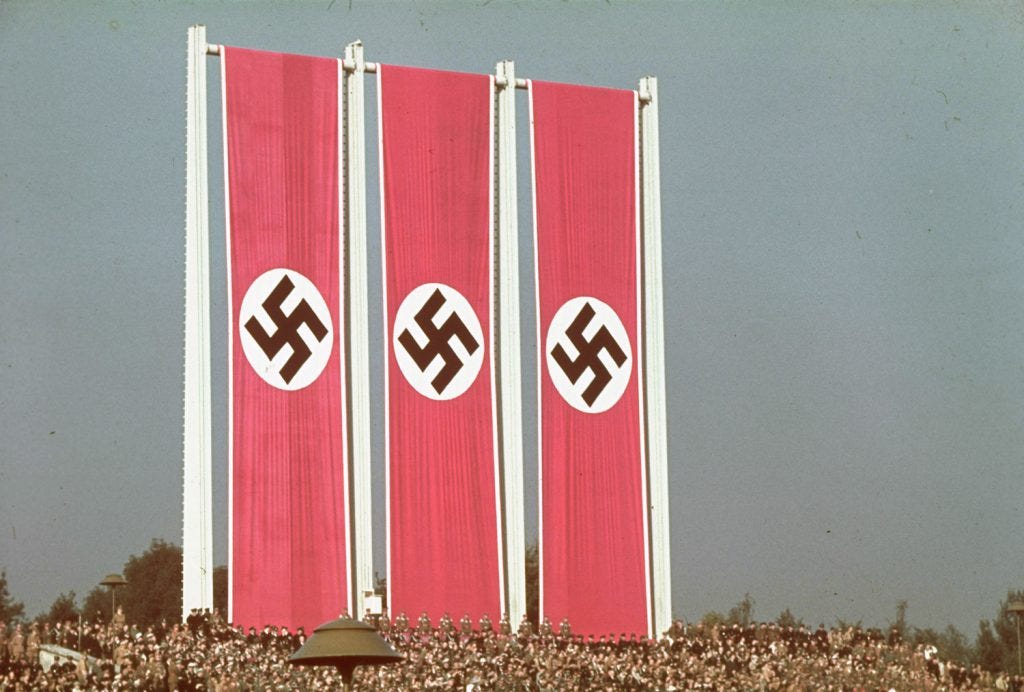
In Nazi Germany, it happened faster, but the logic was the same. After the Reichstag Fire, the government claimed extraordinary powers in the name of survival. Those powers were used exactly how you’d expect—opponents arrested, all other parties liquidated, control consolidated. By the middle of 1933, Adolf Hitler had outlawed every other political organization. It was all framed as protection. Unity. Defense against enemies within. Enough people were convinced that they pretended not to notice the mass arrests, the disappearance of all their Jewish neighbors, and the establishment of concentration camps.
China took a quieter route. The Chinese Communist Party didn’t have to dismantle a system of opposition—it built a system where real opposition never had room to exist in the first place. No dramatic purge, no singular breaking point. Just control, established early and maintained consistently, until the absence of alternatives became normal. The earlier days were brutal, marked by purges, and loosing an insanity among the youth for “great leaps forward.” But the control of China’s one party is no less entrenched today.
Iran fits the pattern too. After the 1979 revolution, the Islamic Republic didn't immediately crush every other faction. But by 1981, the systematic elimination of rival political forces was underway — arrests, executions, exile. The Guardian Council was enshrined as a filter, ensuring that anyone who ran for office had already been vetted for ideological compliance. Elections still happen, but the field has been pruned so carefully, for so long, that what remains isn't a choice — it's a selection from pre-approved options. The revolution promised liberation from a Shah. It delivered a different kind of authoritarianism.
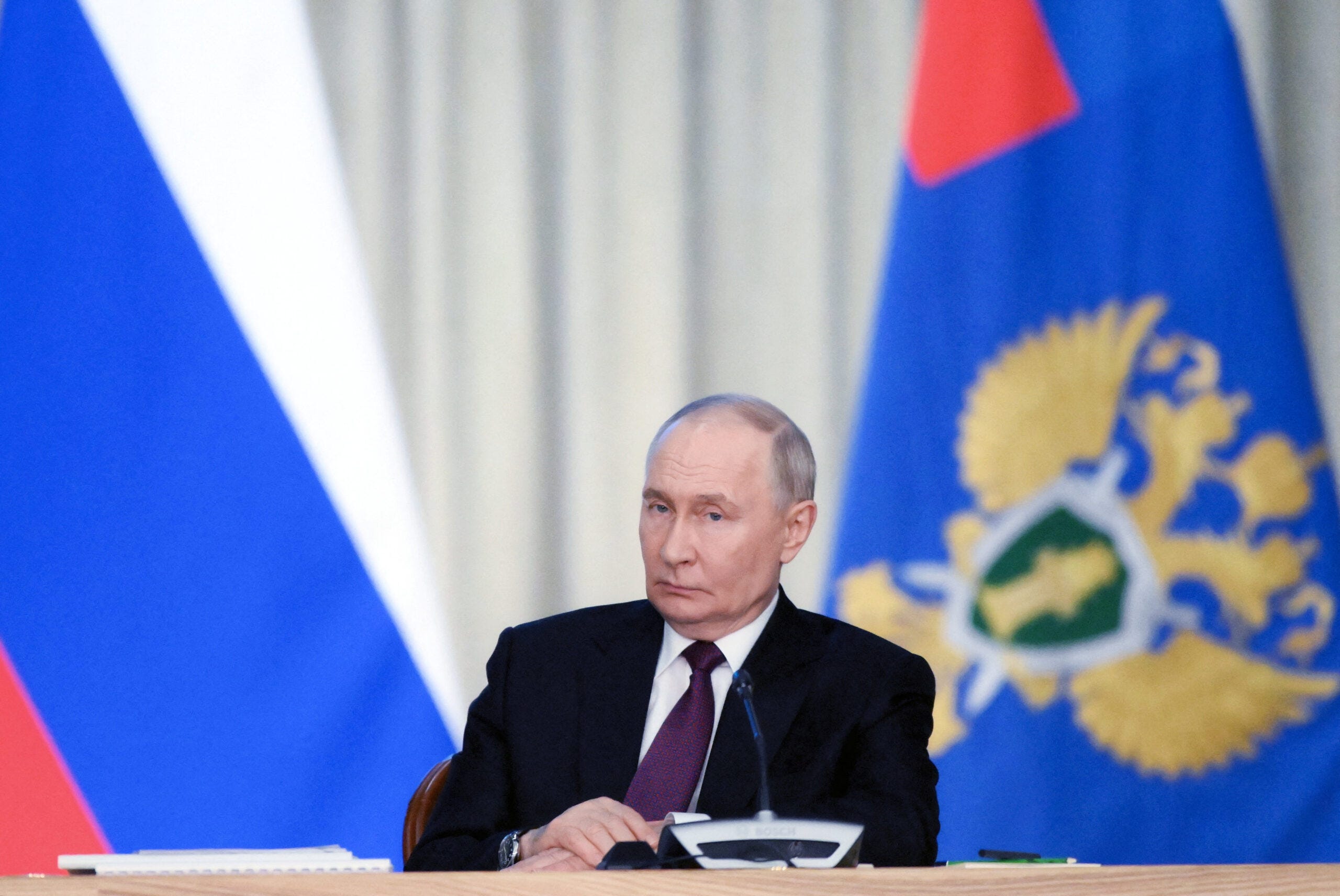
We’ve looked at the Soviet Union, but what about modern Russia? It moved more slowly. Vladimir Putin came on the scene as a popular personality, built on stability after the chaos of the 1990s. But the consolidation began early — television networks brought to heel, oligarchs who funded opposition suddenly facing prosecution, regional governors replaced with Kremlin appointments. Opposition figures didn't disappear all at once. They were discredited, then marginalized, then sometimes jailed, sometimes poisoned, sometimes found dead under circumstances nobody in power felt the need to explain. Alexei Navalny spent years documenting the corruption, building something that looked like a real opposition movement — and he ended up dead in an Arctic penal colony. Russia still holds elections. Putin still wins them. Overwhelmingly, every time. That's not a coincidence.
Different paths all leading to the same destination.
A system where power doesn’t—and can’t—change hands. Where accountability fades. Where bad decisions stack up because nobody inside the system has a platform to say, “This is wrong.”
One-party states don’t hold together because they’re strong. They hold together because contrary views are squeezed out. Because it knows it can’t withstand dissent.
The pattern is hard to miss. First you delegitimize the opposition. Then you recast them as a threat to the state. You convince people that getting rid of them is the only way to preserve the country. And then you do that—through laws, through pressure, through whatever mechanisms are available.
Elections might still happen. Ballots might still be cast. But without real competition, it’s just theater.
Because democracy isn’t just voting. It’s real choice. The possibility that power can actually change hands. Peacefully. The way it used to be done in America.
Take that away, and something fundamental breaks.
And history is pretty consistent on what comes next: once a country crosses that line, getting back is hard—and it’s rarely peaceful.
What do you think? How did that post strike you? Let me know in the comments.
And if you want to go deeper, check out the Disciples of Democracy podcast with my friend Jack Messenger—we get into what it actually takes to hold onto a system like this.
Keep writing Rob. Keep reminding us exactly what is at stake. I'll continue reading and I'll nurture my complete opposition to EVER being told what to think, what to say, how to act..... Thank you.
Great write-up, Rob. Thanks for keeping up on what's important.