

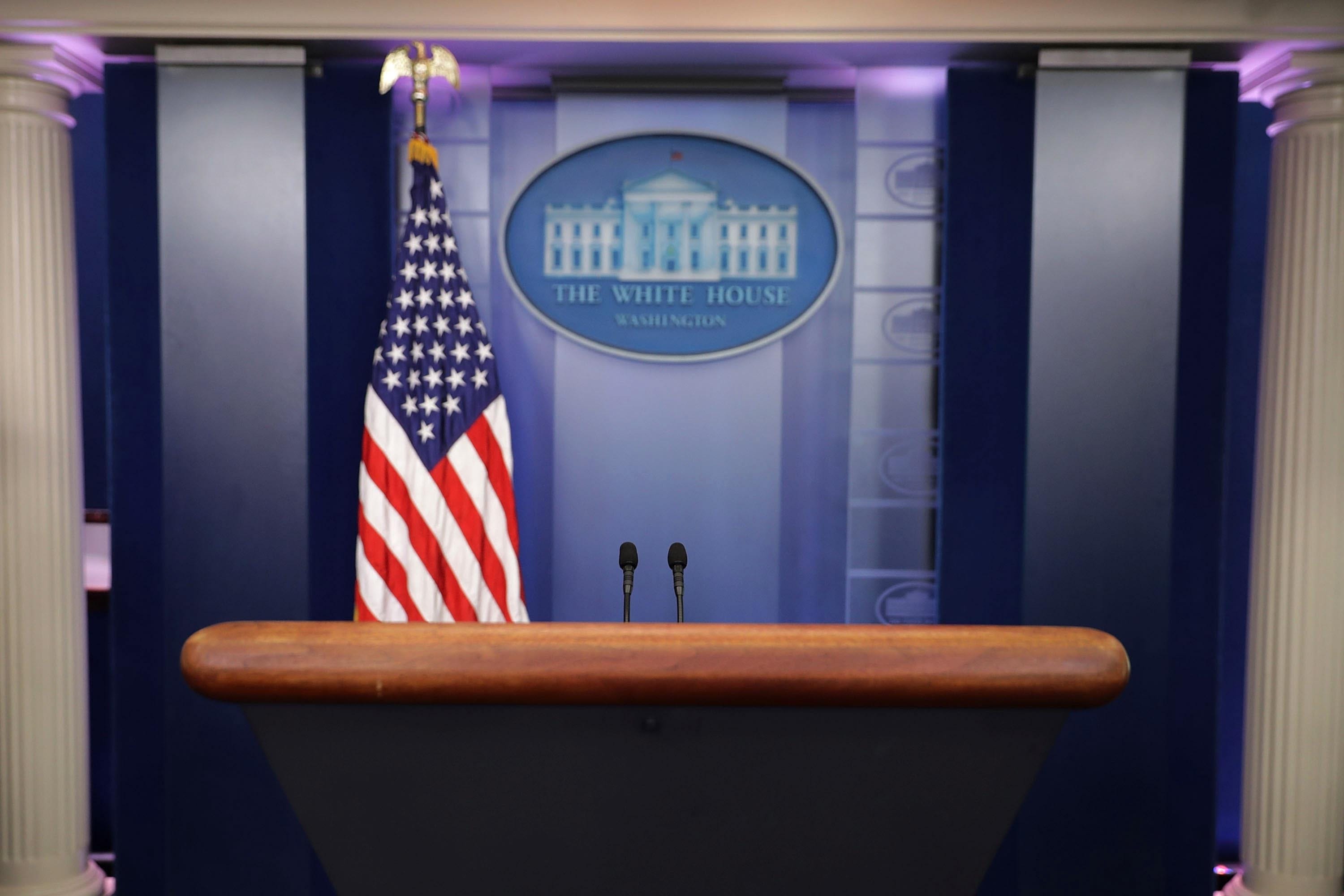
Something unusual is happening.
Not just on the battlefield, but in the way Americans are being told about it — or, more accurately, not being told.
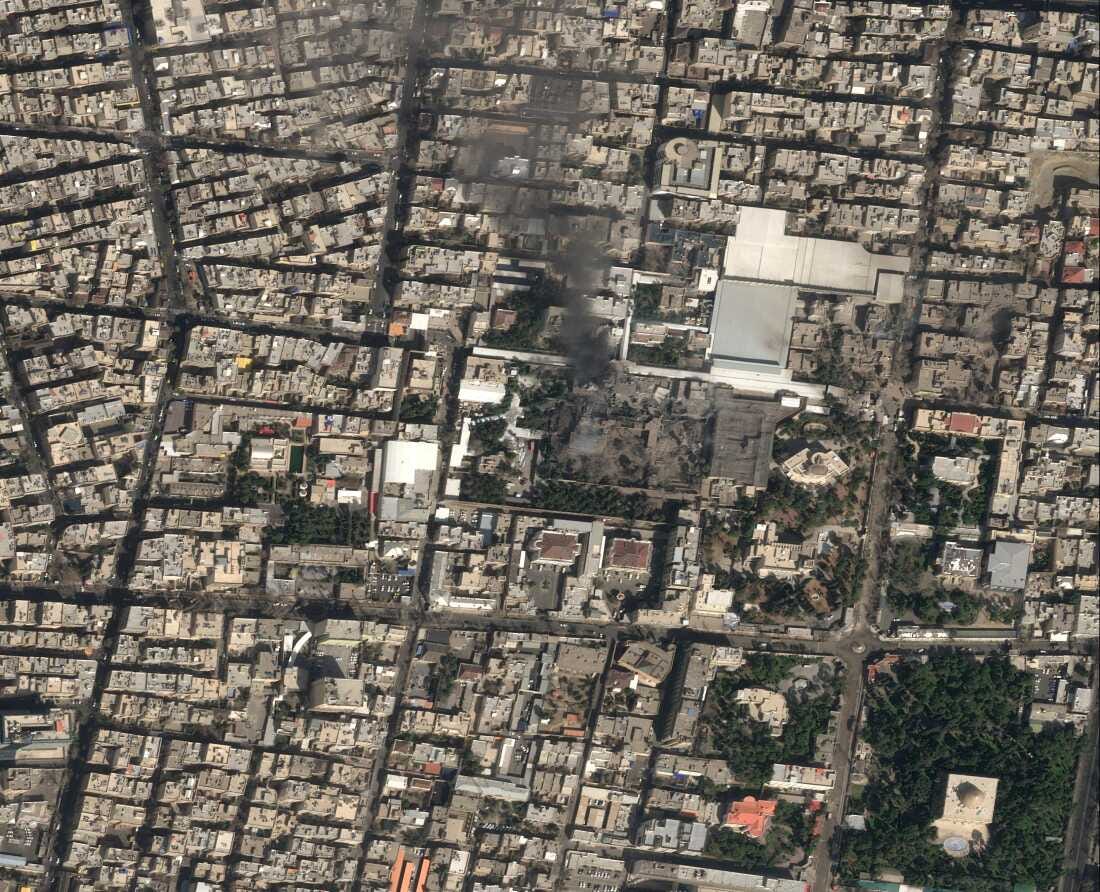
There’s a report from CNN’s Reliable Sources on how the Trump administration went quiet on the status of a missing U.S. airman. At the same time, it has sharply limited the flow of domestic information about the conflict itself, even by the standards of modern American wars. And in a move that raises even more questions, the administration has reportedly asked commercial satellite companies not to release imagery of Iran — and they’re complying.
In the case of the airman, there was good news Saturday night. Donald Trump posted on Truth Social that the service member had been rescued.
But the relative silence on the matter — and the comparatively limited information the administration is giving about the war — are noticeable. So are the conflicting statements coming from the president himself. For weeks leading up to the shooting down of the U.S. jet, Trump had been proclaiming that the Air Force had total control of the skies and that “they weren’t even shooting at us.”
Taken individually, the tightening of those information streams is not entirely unprecedented. The United States has always controlled war news in wartime. From World War II to the Vietnam War to the Iraq War, every administration has shaped what the public sees and when it sees it. Sometimes that meant censorship. Sometimes it meant managed access. Sometimes it meant embedding reporters inside military units while keeping them away from the broader picture.
But this time feels different. Not because information is being shaped, but because it’s being withheld — and because the world has changed around that decision.
In earlier wars, if Washington went quiet, the story slowed down. There were fewer alternative sources, fewer ways for independent observers to piece together what was happening in real time. The government’s version of events might have been incomplete or slanted, but it was still the central narrative.
That’s no longer true.
Now, when the U.S. government pulls back, the information doesn’t stop. It just reroutes. Social media fills with videos, claims, and counterclaims. Foreign governments — including adversaries — step in to shape the narrative. Analysts, hobbyists, and independent researchers begin assembling their own versions of events from whatever data they can find.
And that creates a vacuum — but it doesn’t stay empty for long.
If anything, it fills faster than ever. Just not necessarily with information coming from the United States. And not necessarily with trustworthy information.
That may be the most important shift here. Americans are increasingly in a position where, to understand a U.S. military operation, they have to look outside their own government — and sometimes outside their own country. They’re watching satellite images posted by private firms. They’re reading statements from foreign officials. They’re trying to piece together the story from fragments that may or may not be reliable.
At the same time, efforts to limit the release of satellite imagery suggest an awareness of that shift — and an attempt to slow it down. But that’s a very different challenge than managing a press pool or shaping a briefing. It means trying to control a global, decentralized flow of information that no single government fully owns anymore.
To be clear, the details of any specific situation may change by the time you read this. Wartime information is fluid. Facts emerge, get corrected, and sometimes get replaced entirely. That’s always been true.
For decades, Americans understood war largely through the lens of their own institutions. Even when that information was incomplete or filtered, it came from a familiar place. There was a baseline assumption — sometimes justified, sometimes not — that the U.S. government would eventually tell its version of the story, and that version would anchor public understanding.
If that assumption starts to break down, something else takes its place.
Not clarity. Not necessarily truth. Just… more voices. More fragments. More competing narratives, arriving faster than anyone can fully verify them. We’re already seeing what kind of damage that can do to a society.
And once that happens, the question isn’t just what’s happening in the war.
It’s who gets to define what Americans think is happening at all.
If you want to understand where this is heading — not just the war, but the way information itself is being controlled, shaped, and sometimes withheld — that’s what I’m doing here. This isn’t daily noise. It’s pattern recognition. Paid subscribers make that possible, and get early access to everything I publish.
You can also hear more of these conversations on the Disciples of Democracy podcast, where I join my friend Jack Messenger for deeper dives into protecting the America we love.