"Just Following Orders" Is How Cruelty Always Starts
A brief history of how power gives bullies permission to hurt people
Just Following Orders.
The phrase shows up again and again in history, like some kind of cultural earworm.
It sounds modest, responsible, almost humble. It pretends the speaker has stepped out of the story and handed agency to someone else, as if history itself grabbed their wrist and made them do it.
But history doesn’t work that way.
In the 19th century, soldiers and government agents used the phrase while forcing Native Americans off their land. They said it while marching families at gunpoint, separating children from parents, burning villages, and herding people toward reservations that were little more than open-air prisons. The orders came from Washington, from generals, from men in uniforms with maps on their desks. But the hands doing the dragging and the shooting belonged to people who had already decided who counted as human and who did not.
Hatred made the orders easier to carry out, but the orders didn’t create the hatred.
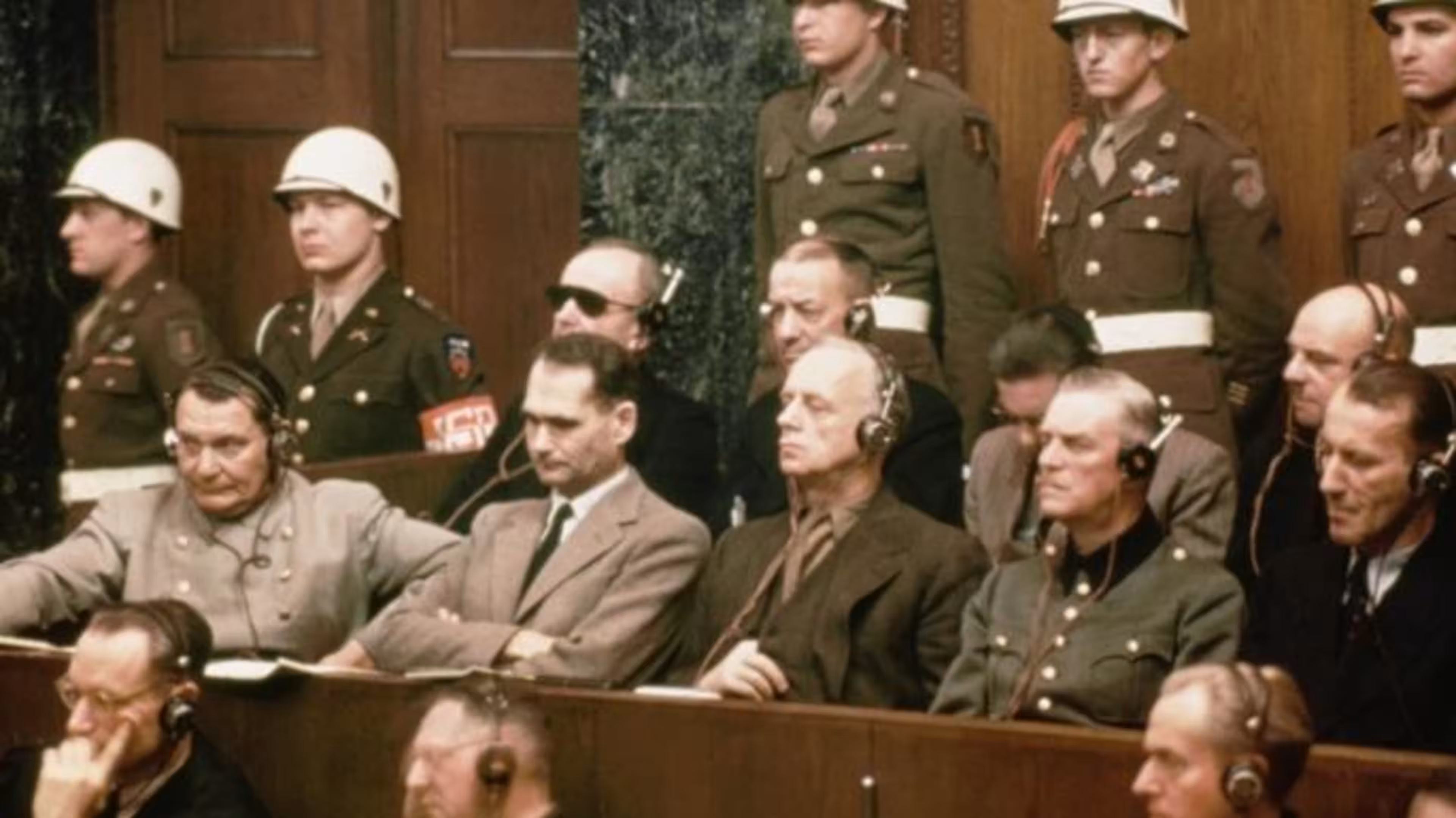
In the 1940s, the line became infamous. Nazi guards, police officers, and bureaucrats said it after the war as they sat in courtrooms and pretended to be nothing more than cogs in a machine — an interesting way to describe people who loaded cattle cars, guarded camps, beat prisoners, and shot children into pits. The Holocaust required paperwork and trains, but it also required a willingness to see Jews as vermin, as a problem to be solved rather than neighbors to be protected.
Jump ahead to the early 2000s, to the Middle East. Soldiers said the same words after prisoners were abused, hooded, photographed, humiliated, and killed. They said it at Abu Ghraib. They said it after raids that flattened homes and families together. They said it as if the rules of war had slipped off their shoulders and landed somewhere else. But once again, orders didn’t explain the smiles in the photos or the extra kick delivered when no one was looking.
You don’t need orders to enjoy cruelty. You only need permission.
Which brings us to now.
In the present-day United States, the phrase has returned with a familiar uniform and a new acronym stitched across the chest. Immigration raids. Detention centers. Families torn apart. Children behind chain-link fences. Agents say they’re just doing their jobs. Just enforcing the law. Just following orders.
But laws don’t force someone to mock a crying parent. Policy doesn’t require pepper-spraying someone who’s already on the ground. Procedures don’t demand that a man be pushed face-first into concrete while his hands are zip-tied behind his back.
Those moments tell the truth. The cruelty isn’t a side effect. It’s the point.
Bullies exist in every era. History doesn’t invent them; it merely hires them. Most bullies don’t need to be trained to be cruel. They only need an institutional push — a badge, a uniform, or a line of authority they can point to afterward. The order becomes a shield.
This is the part that often gets lost when people talk about systems and structures. Systems enable behavior, but they don’t erase choice. Every person who says “I was just following orders” is admitting something else: I wanted to do it, but I don’t want to be blamed for it.
That’s why the phrase shows up so reliably after the fact. No one says it beforehand. No one says it while refusing. It’s always spoken once the harm is done and the reckoning has arrived.
History is also full of people who didn’t follow orders. Soldiers who refused to fire. Officials who falsified paperwork to save lives. Neighbors who hid families in basements and attics. These people were also inside the same systems. They had the same rules and the same risks. What they lacked wasn’t authority, it was hatred.
The uncomfortable truth is that institutions rarely turn good people into monsters. They merely give people permission to take off their masks and reveal the monsters that were always hiding underneath.
That doesn’t mean everyone who wears a uniform is a bully, or that everyone who follows the law is cruel. It means cruelty has always looked for cover, and “orders” have always been a convenient place to hide it. The phrase survives because it works, at least for a while. It gives people something to say when their conscience finally knocks on the door, and they’re escorted to Nuremberg or The Hague.
The pattern isn’t subtle. Indigenous Americans. Jews. Prisoners of war. Immigrants. The targets change, but the logic stays the same. Dehumanize first. Normalize cruelty. Offer authority as absolution. Then, later, act surprised when the photos leak and the testimonies don’t line up with the excuses.
There’s nothing neutral about cruelty. There never has been.
And “just following orders” has never been the explanation people think it is. It’s not the absence of choice. It’s the record of one that was made.


