

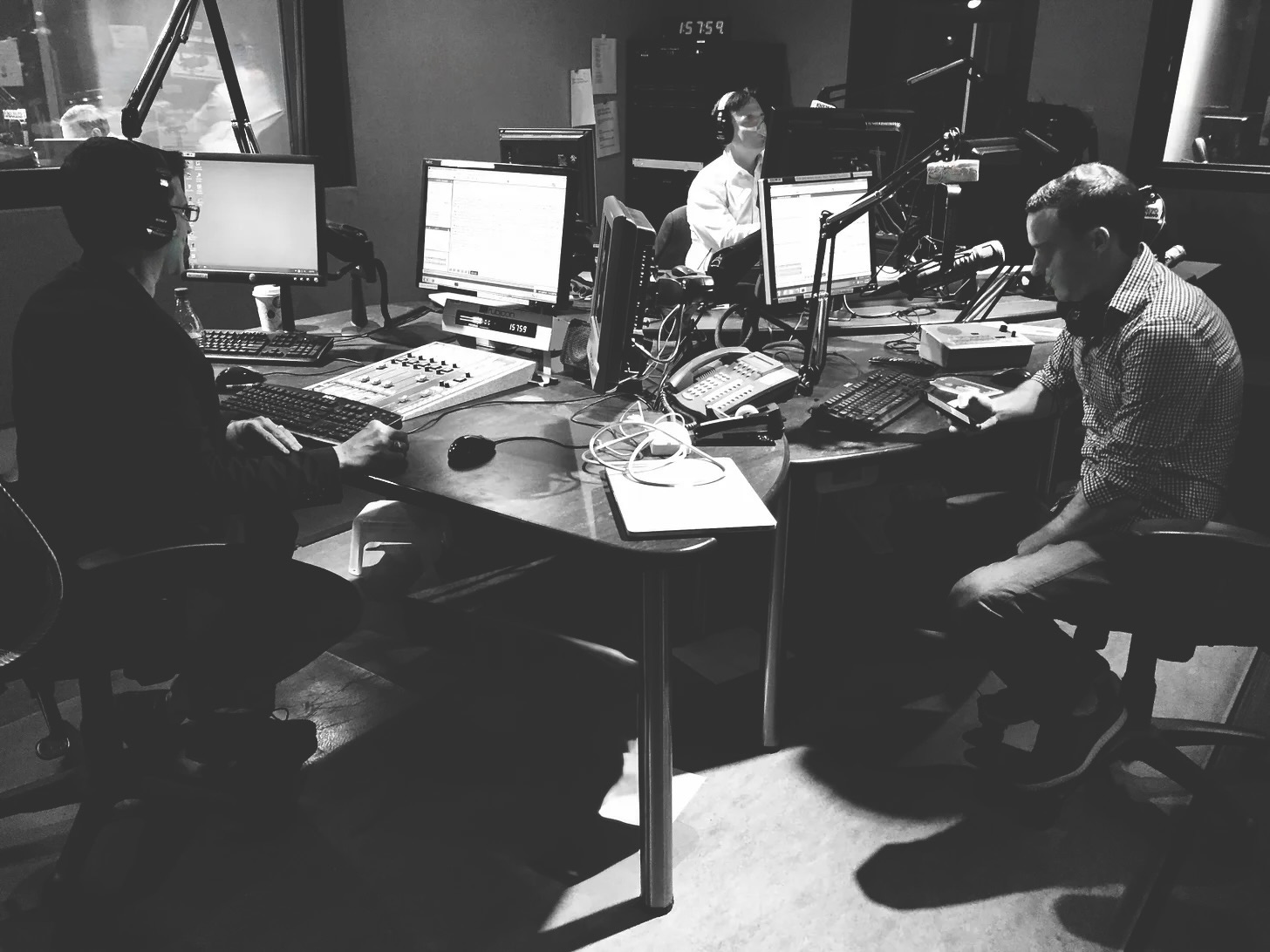
If you spend enough time with national news, it’s easy to come away thinking the country is completely split in two — two sides, two realities, two versions of what’s true. And the chasm is too wide to cross.
The divide is real, but it’s also reinforced by how people consume media. Cable audiences tend to sort themselves into ideological camps. Viewers choose the version of the world that fits what they already believe. Some media outlets have discovered there’s money in it — keeping the divide alive, carving bigger chasms, ramping up the rage.
But at the local level, people who disagree about politics are still living in the same neighborhoods, driving the same roads, dealing with the same weather, and paying the same taxes. And they all need the same information to get through the day.
Is the freeway backed up? Is that storm getting worse? Why did my property tax bill just jump?
That’s where local news — especially all-news radio — still operates on a different plane.
No Red Traffic, No Blue Weather
At the local level, reality tends to cut through the noise. There’s no such thing as Republican traffic or Democratic weather (unless you’re deep into conspiracy theories). Either the 405 is jammed or it isn’t. Either the fire is moving or it’s not. That creates something you don’t see much anymore in national media: a shared baseline of facts.
All-news radio has been built on that idea for decades. You turn it on and you hear what’s happening — traffic, weather, breaking news — without filtering it through a political lens.
When KNX had its award-winning coverage of the fires in January 2025, listeners didn’t give a damn about any politics around it. (That came later.) They needed to know when to evacuate, where to go, how long it would take, and what to do after their homes burned down.
That’s a different mission, and it shows in how people respond to it.
Trust Was Earned the Slow Way
The trust in local radio didn’t happen overnight. It was built over years, even generations, of showing up and getting it right.
Stations like 1010 WINS, WOR NewsTalk 710, KYW Newsradio, WBBM Newsradio, KCBS Radio, KNX News 97.1 FM, and KFI AM 640 play a major role in local news coverage and public affairs.
These stations become habits. Then they become infrastructure. When something breaks, people still reach for the radio because it’s reliable.
And the data backs that up. Study after study shows radio ranking at or near the top when people are asked which news sources they trust. In a media environment where trust is getting harder to find, that’s a fact worth paying attention to.
A Rare Kind of Audience
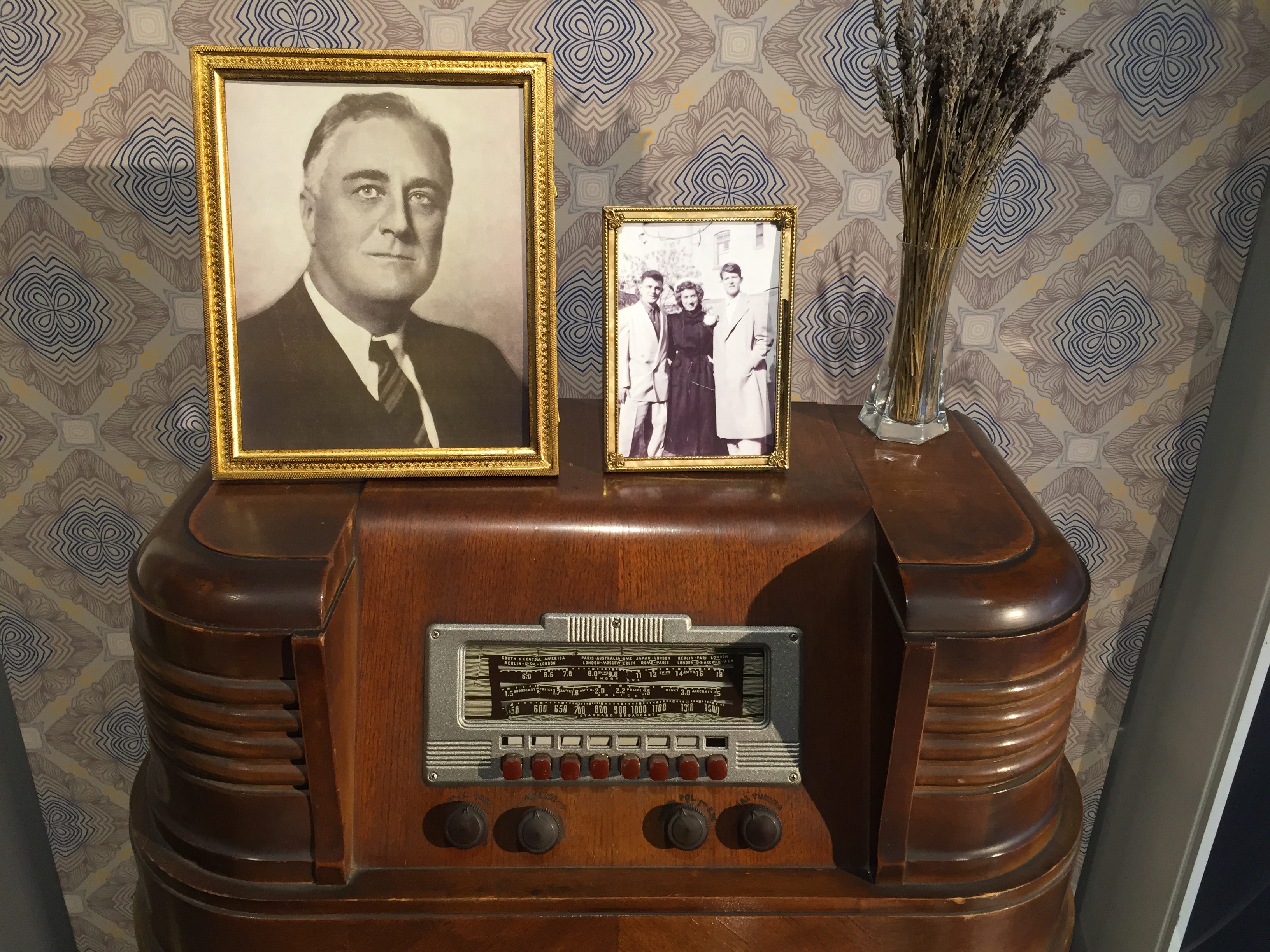
What really sets local news radio apart is the audience. National outlets tend to attract people who already lean one way or the other. Local radio doesn’t have that luxury — or that problem.
Its audience is everyone.
That’s not because people suddenly agree on politics. It’s because they all need to know what’s happening where they live. The result is one of the last places in media where people with very different views are still consuming the same information at the same time.
Why It Matters in an Election
If you’re trying to win an election, you don’t just need your base. You need the people who aren’t glued to cable news, who aren’t locked into one narrative, and who are still open to hearing something different.
Those are the people local news radio still reaches.
Most political messaging today is aimed at reinforcing what supporters already believe. But elections are decided by people who aren’t fully in either camp, or who only tune in when something directly affects their lives. That’s exactly the environment local radio operates in.
When we covered politics at KNX, we weren’t geared to a narrative. We weren’t Fox News or MS NOW. We worked to get opposing voices on the air, letting them make their cases without putting words in their mouths.
I remember hearing just as many “KNX promotes right-wing talking points!” complaints as “KNX is liberal propaganda!” I figured that meant we were doing something right.
There’s also a kind of credibility that comes with it. When people trust the platform, some of that trust carries over to what they hear on it. Campaign data has shown that radio can extend reach in close races — sometimes by hundreds of thousands of voters. In tight elections, that’s the difference between a victory party and the sadness of getting out so the cleaning crew can come in.
The Ground Level View
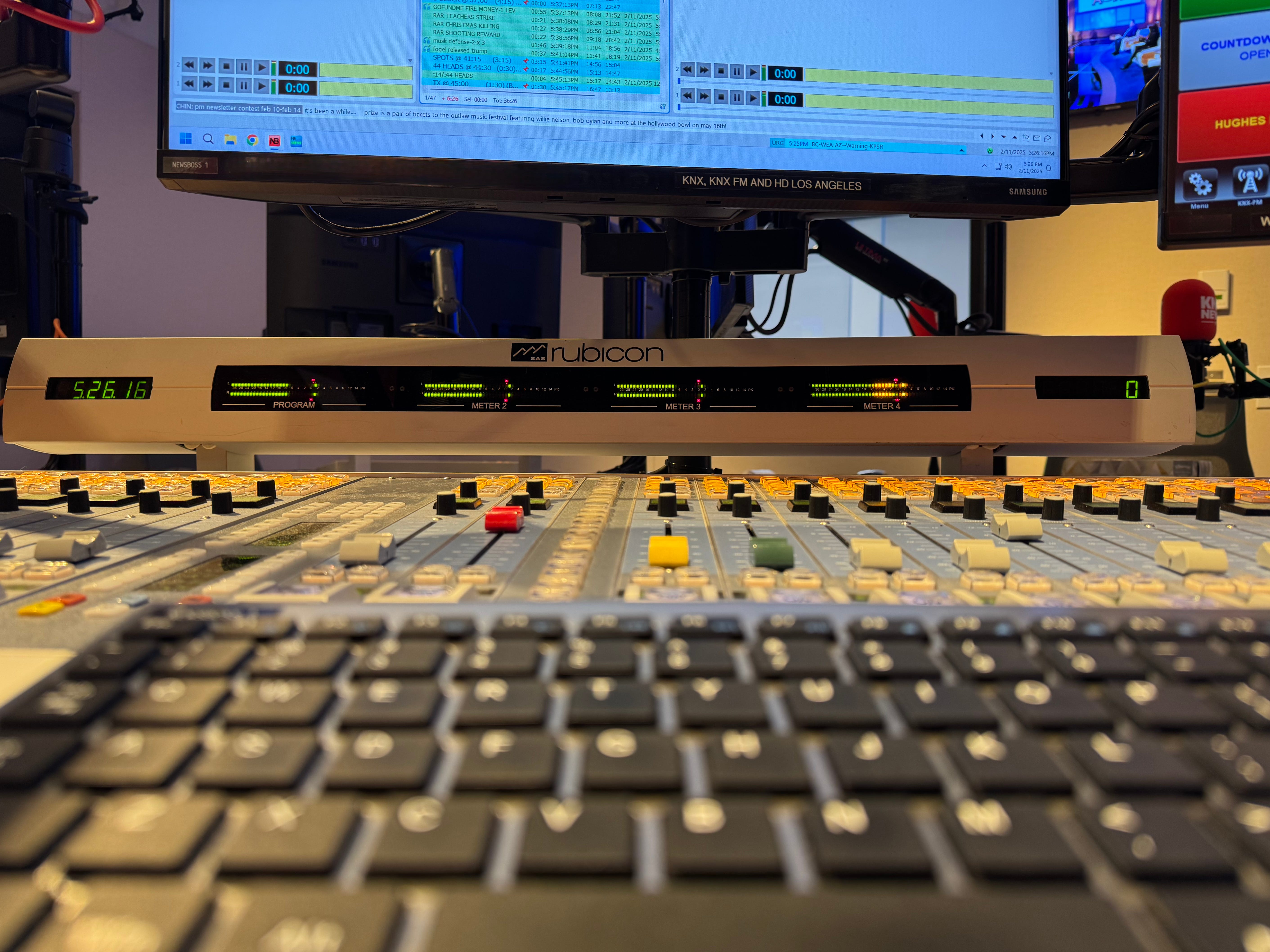
National media has become a battleground. Local media is still a neighborhood.
From a distance, the country can look completely fractured. Up close, people are still dealing with the same day-to-day reality, and they still need information they can rely on. That’s where local news — and especially radio — continues to matter in a way that’s easy to overlook.
It doesn’t try to define the national conversation. It just shows up and tells you what’s happening. If it presents different sides, it gives each a fair shot to explain — but not a free pass on the facts.
And right now, that may be one of the last places left where Americans are still hearing the same facts at the same time.
If that matters to you, please consider becoming a paid subscriber as I cover the medium I spent my life in.
There’s something special about listening to a local radio newscast — or any locally produced show, whether it’s streaming or coming through the FM dial. It feels like you’re being genuinely served by people who live where you live.
It’s not glamorous like the high‑gloss TV news sets or the fashion‑forward anchors. Even when local TV has camaraderie, you don’t feel it the same way. Radio hits differently. You hear the community. You hear the work. You hear the heart.
That’s the magic of radio — and honestly, platforms like Substack tap into the same energy. It’s intimate. It’s with you in the car, on a walk, while you’re making dinner or making the bed. It’s a companion, not a performance.
Thank you, Rob, as always.