

Another round of layoffs is hitting radio.
Audacy. iHeartMedia. Different companies, same pattern. Jobs cut across markets. Shows disappearing. People finding out in real time that their careers just ended.

Like far too many people in this business, I have personal experience with this. Last June, I got caught in a round from Audacy. It felt like a body blow — that cold feeling when you realize why the boss is suddenly scheduling a Zoom call before you even get to the office.
I had spent more than a decade at KNX. Not just spent, but enjoyed. Improved. Learned how to be better. For someone who started in music radio, after KFI and KNX, I felt like I’d built something real as a broadcast journalist. Work that mattered. Work that had weight.
Then it was gone. Just like that.
It felt like losing a limb. And underneath that, a harder realization: the market for getting back in was shrinking, no matter how strong your reputation was.
I’ve also been on the other side of the desk. I’ve been the manager in that meeting. I’ve told people their job was gone, their division was closing, their contract wasn’t being renewed. They were being set off on an ice floe.
You want to believe it’s just as painful on that side, but it isn’t. The truth is more basic than that. The instinct to survive overrides everything else. Better to be the one delivering the news than receiving it.
If you’ve been in radio long enough, none of this feels shocking anymore.
There was a time when layoffs stopped everything. They were rare. Disruptive. Worth talking about.
Now they come in waves. Quiet. Routine. Packaged as percentages of a workforce.
And that tells you more about the industry than any single round of cuts ever could.
On the surface, the explanation is familiar. Revenue pressure. Audience shifts. Digital competition. Companies adjusting to “new realities.” All of that is true. It’s just not the whole story.
This isn’t a temporary correction. It’s not a bad quarter. It’s not something that turns around with the next ratings book or the next election cycle.
It’s structural.
The industry has been moving in one direction for years — toward fewer people, fewer local voices, and more centralized control. The layoffs aren’t a reaction to that shift. They are the shift.
Every round does the same thing. Fewer people in the building. More content shared across markets. More control concentrated at the top. And every round makes the next one easier.
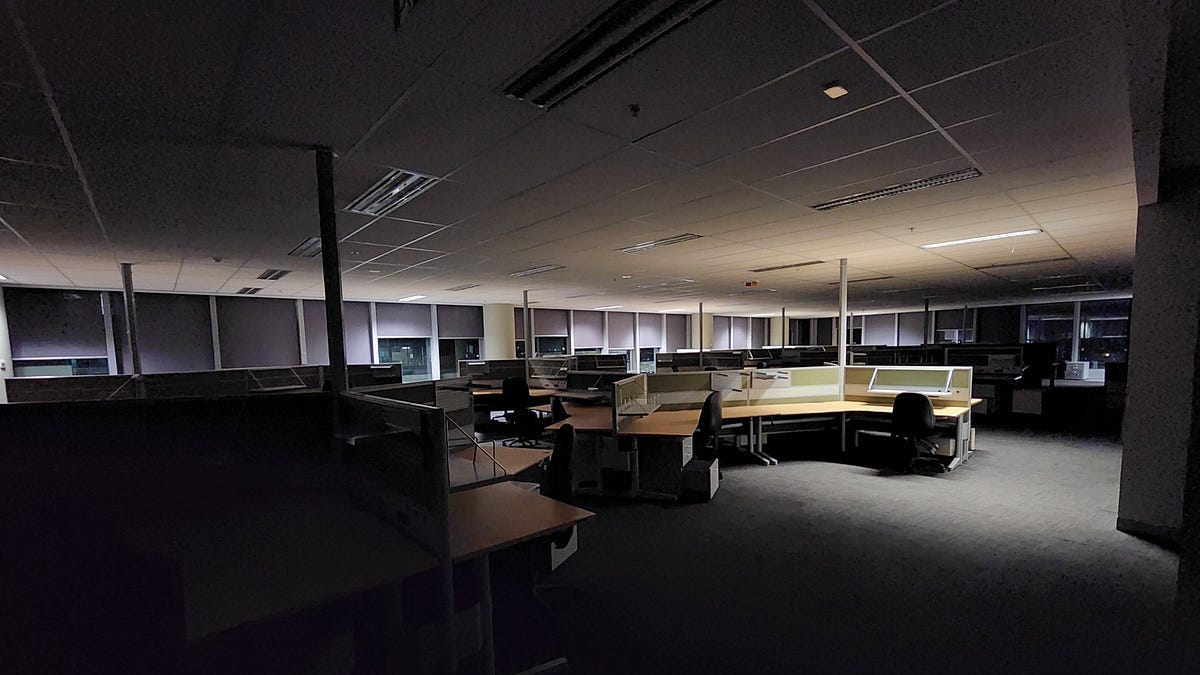
You always think, “They can’t cut more than this.” But they do.
There’s a kind of grim ingenuity to it — an industry that borrowed heavily, now figuring out how to survive by consuming itself.
If you’re a listener, you can hear it.
Stations that once sounded distinct start to blur together. Familiar voices disappear. Shows get replaced with something close, but not quite right. A little flatter. A little more interchangeable.
It’s what happens when you try to maintain scale while cutting costs. You make fewer things and distribute them everywhere.
From a business standpoint, it works.
From a listener standpoint, something essential gets stripped out.
Inside these companies, there’s another shift that doesn’t get talked about much.
When layoffs become routine, they stop being disruptive. They become normal. People feel it. They see the pattern. They understand that stability isn’t part of the deal anymore — not for anyone.
That changes how people work. It changes how they think. It changes what they’re willing to risk, and what they’re not. And eventually, it changes what comes out over the air.
The constant layoffs affect everyone — the on-air talent, the salespeople, the managers.
You hear it in the product. It gets thinner. Less confident. Less connected.
That hurts revenue. That hurts ratings. So they cut again.
You’ll hear the usual language. It’s now a corporate hymn with its own number. “Positioning for the future.” “Focusing on growth areas.” Digital. Podcasting. New revenue streams.
Some of that is real. None of it changes the trajectory.
The layoffs are the visible part. The painful part. But they’re not the deeper story. The deeper story is that they keep happening.
And the people in a position to change it aren’t acting like it’s going to stop.
I’ve been in those rooms. I’ve heard the conversations that don’t make it outside the building. The spreadsheets, the strategy decks, the quiet decisions made long before anyone gets that calendar invite.
There’s more to this story than what gets reported.
That’s the work I’m doing here — pulling back the curtain on how this industry actually operates, and where it’s headed next. I’ll be writing about some of those decisions — how they’re made, and what they mean for what you hear on the air — in the coming weeks.
If you want more of that — the inside view, the real conversations, the things people in this business say when the mic is off — consider becoming a paid subscriber to Archer’s Line.
Because the public version of this story only goes so far.
Prefer to listen? The audio version is available on Apple Podcasts, Spotify, and wherever you get your podcasts.
I’ve been hearing from a lot of people inside the industry today — the pattern is the same everywhere.
I’ll be writing more about how these decisions actually get made.