

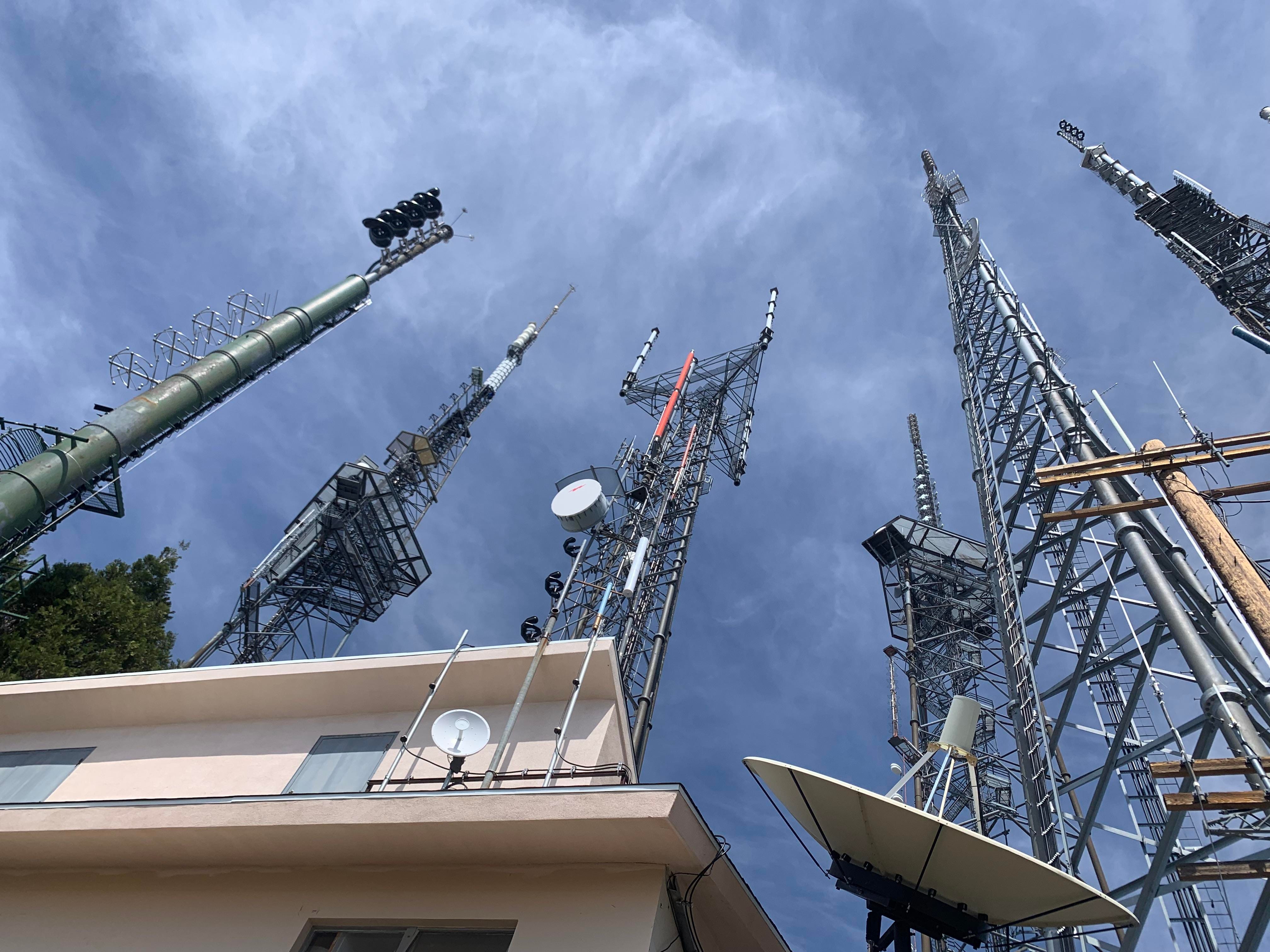
On one side, broadcasters are asking the FCC to let them own more stations because today’s ownership limits no longer make sense in a world of Spotify, podcasts, YouTube, streaming, and AI. Beasley Media Group and Connoisseur Media recently made that case directly to FCC officials, arguing that radio isn’t competing against other radio stations anymore. It’s competing against everything.
On the other side, companies are simply walking away from stations they already own.
Saga, Cumulus, and Townsquare are surrendering licenses rather than selling some properties because buyers aren’t willing to pay enough to make a sale worthwhile. Other stations are disappearing because they stayed silent for more than a year, automatically triggering the loss of their licenses.
So which is it?
Is radio starving for scale? Or does it already have more stations than the industry can support?
If the FCC loosens ownership caps, who’s going to buy? Where’s the money coming from? Even iHeartMedia, the country’s largest radio owner, has spent the past several years laying off so many employees that some small and medium market stations now operate with no local staff.
I’m no financial genius, but I remember what happened after the Telecommunications Act of 1996.
Consolidation was sold as efficiency. I remember being told that it would create jobs. Even then, I knew that wasn’t true. What it produced was fewer local owners, local voices, salespeople, engineers, newsrooms, and DJs.
Companies bought stations, took on debt, cut payroll to service it, then bought more stations and repeated the cycle. All the while, the top executives got eye-popping salaries and bonuses that were so big, they had to start finding more eyes to pop.
Now the industry wants another round of consolidation.
Television is following the same path. Mergers create duplicate jobs. Duplicate jobs disappear. Newsrooms combine. Master control moves somewhere else.
The same pattern is playing out across American business.
Companies get bigger. Payrolls get smaller. Debt grows. Another merger is announced. More jobs disappear.
Eventually you start wondering whether the system has become self-consuming.

Fewer workers mean fewer people with money to spend. Slower consumer spending pushes companies to cut costs again. Those cuts lead to more mergers, more layoffs, and another round of cost-cutting.
It’s a loop that feeds on itself.
On the latest episode of Archer & Feldman, I told Bill Handel of KFI that I still dream about radio becoming small and local again. Communities served by people who actually live there.
Bill poured a little cold water on that dream.
Even if ownership rules changed tomorrow, radio still has to compete with Spotify, Apple Music, YouTube, podcasts, satellite radio, AI, and dozens of other choices that didn’t exist when local broadcasters thrived.
He’s right.
Maybe my dream is just grasping at straws, trying to find some way to keep radio alive. But I don’t think what I’m mourning is just radio anymore.
Watching radio slowly disappear feels like watching something much bigger disappear with it.
Maybe radio is simply one of the flock of canaries in the coal mine. Maybe we’re watching an economic model that’s stopped making sense.
Before I'm accused of preaching Communism, or Marxism, or whatever else is the persona non grata in our permissible political discussion these days, let me be clear.
I still believe in capitalism.
I just don’t believe capitalism is supposed to eat itself.
One more thing before I go.
Nielsen’s June Los Angeles ratings are another reminder of how difficult the transition has been since Audacy moved KNX back to AM only and launched The Fan on 97.1 FM.
KNX has slipped again, falling from a 4.1 share in March to 3.2 in June among listeners six and older. Meanwhile, The Fan is barely registering in the overall ratings, posting just a 0.2 share. Even combined, the two stations are well below where KNX was before the split.
Those are only the broad 6+ numbers. The demographic breakouts that actually drive advertising could tell a different story, particularly if The Fan is attracting younger male listeners. But the overall trend is hard to ignore. The audience that once found KNX on FM hasn’t simply migrated intact to AM, and it hasn’t shown up in large numbers for sports, either.
Who benefited? Based on the overall numbers, KFI appears to have. It jumped from a 3.9 share in May to 4.5 in June, numbers it hasn’t seen in a while.
I actually think your dream of small stations breathes... all things tend to be cyclical and though it may take more time than we'd like I truly believe that will happen.
Thank you, Rob. Always.