


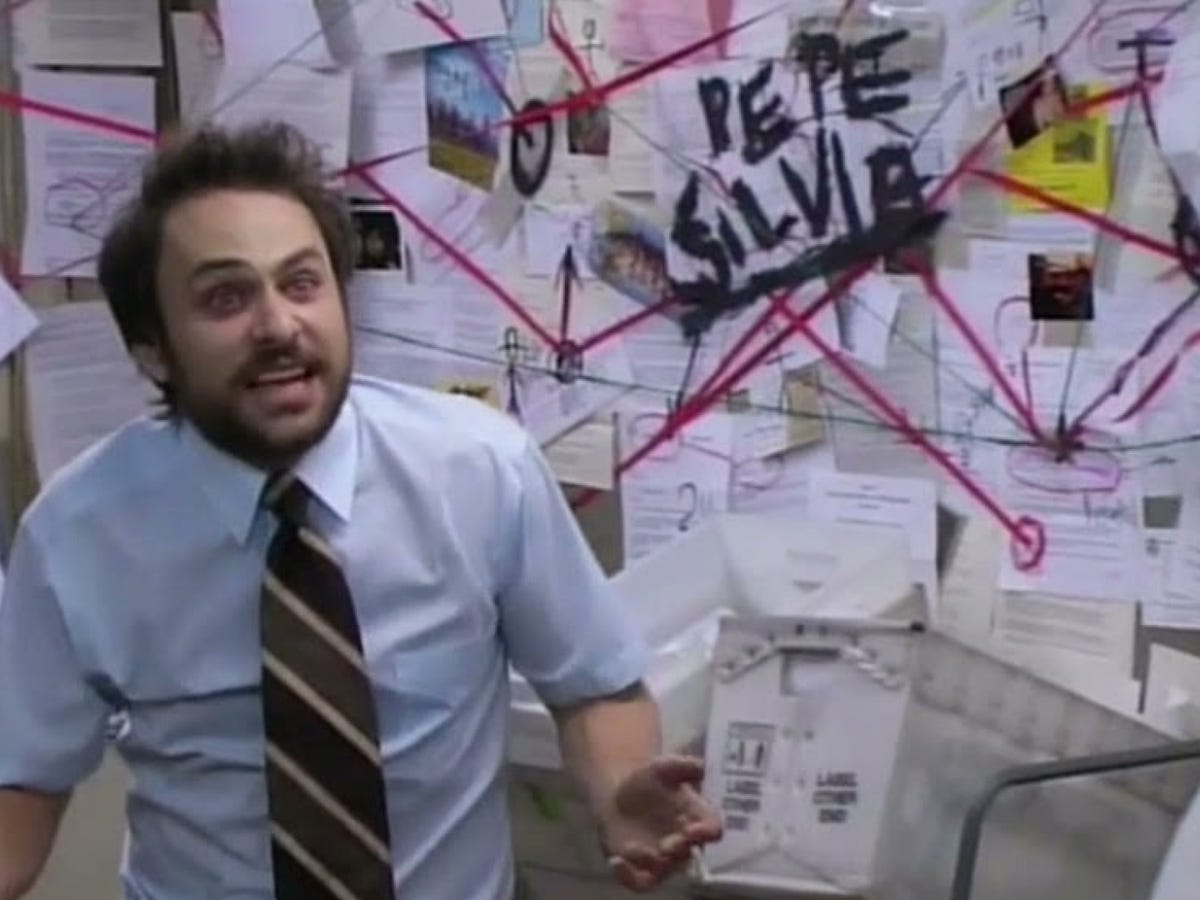
We had a national freakout last week over two major computer meltdowns.
First, Microsoft went down. The next day, the FAA grounded flights nationwide.
If it had been Microsoft alone, we’d have joked about it. But when the air travel system broke down, people started worrying.
And your social media algorithms were paying attention.
They noticed how eagerly you consumed news about computer crashes. They remembered you’d heard something about the Pentagon telling military bases to prepare to survive without outside help for 90 days. Or something like that. The details didn’t matter.
Then came the national Emergency Alert System test.
The algorithms rubbed their grubby little hands together. “Aha! We know what scares you! We know what keeps your eyeballs glued to the screen! Here, have some more!”
Suddenly, every computer glitch became another waypoint on the road to civilization’s collapse.
But computer glitches happen all the time. I’ve lost count of how often I’ve had trouble logging into my bank. Usually, the problem gets fixed in a few minutes, and life goes on.
Not anymore. Now the algorithm serves up every outage, every error message, every hiccup in the machinery of modern civilization.
And there you are, doomscrolling your way into the Abyss, surrounded by enough red string to connect every computer on Earth to the Illuminati.
This is what happens when we get so much of our news from social media. I’d like to say, “Let that be a lesson,” but the algorithm doesn’t have time for lessons. It’s got to keep you hooked.
So hooked you shall be.
Someone asked me the other day, “But these things do seem to be happening a lot. Too much to be a coincidence. Couldn’t it be AI?”
“I don’t think so. Besides, are they really happening more often, or are we just hearing about every single one?”
“But what if it’s hackers? We started a war with Iran, after all, and they’ve got hackers!”
Ah. Yes. Now there’s a possibility worth considering.
There’s no evidence that Iranian hackers caused either the Microsoft outage or the FAA ground stop. Federal officials say the two incidents were unrelated, and they’ve reported no indication that the FAA failure was a cyberattack.
But Iran does have a history of cyberattacks against other countries.
Iranian hackers are persistent, and they have a history of targeting vulnerable infrastructure, financial institutions, and government systems.
And they’ve had a busy year.

In March, an Iran-linked hacking group claimed responsibility for a cyberattack that disrupted operations at Stryker, a major American medical technology company. The damage extended to its operations in Ireland.
In April, U.S. cybersecurity agencies warned that Iranian-affiliated hackers were targeting industrial control systems connected to the internet. Some attacks disrupted operations and caused financial losses. Energy companies, water systems, and local governments were among the targets.
That same month, Iran-linked hackers broke into FBI Director Kash Patel’s personal email account and published photographs and documents.
Then, in late July, hackers targeted more than 30 community water systems in Minnesota. Some systems were disrupted, and U.S. intelligence reportedly suspects Iran was responsible.
Iranian cyber operations against Israel have also intensified during the war, with the conflict spilling into computer networks far beyond the battlefield.
So there’s reason to take the threat seriously.
Now, if Iranian hackers really were behind last week’s breakdowns, you’ll forgive me for doubting the current administration would be eager to admit it.
After all, we’ve “obliterated” Iran several times now. Acknowledging that Iranian hackers could still bring American systems to their knees wouldn’t fit neatly into that narrative.
But cyberattacks are part of modern warfare, particularly when your conventional military can’t match America’s. Our interconnected systems offer plenty of inviting targets.
The uncomfortable truth is that a successful Iranian attack on a water system, a power grid, or a communications network could do plenty of damage.
Which brings us back to all that red string.
There’s a legitimate threat out there. But that doesn’t make every computer outage evidence of an attack, much less proof of some grand conspiracy.
Sometimes a computer glitch is just a computer glitch.
What do you think? Are we connecting dots that don’t belong together, or is there something worth worrying about? Leave a comment below. I’d like to hear your take.