

There was a time when cigarette companies insisted their product wasn’t addictive. They ran ads saying doctors smoked. Their brand, of course.
You may recall scenes from Mad Men — tobacco executives sitting in a smoke-filled room, complaining about government rulings that their product was dangerous, all while coughing up a storm.
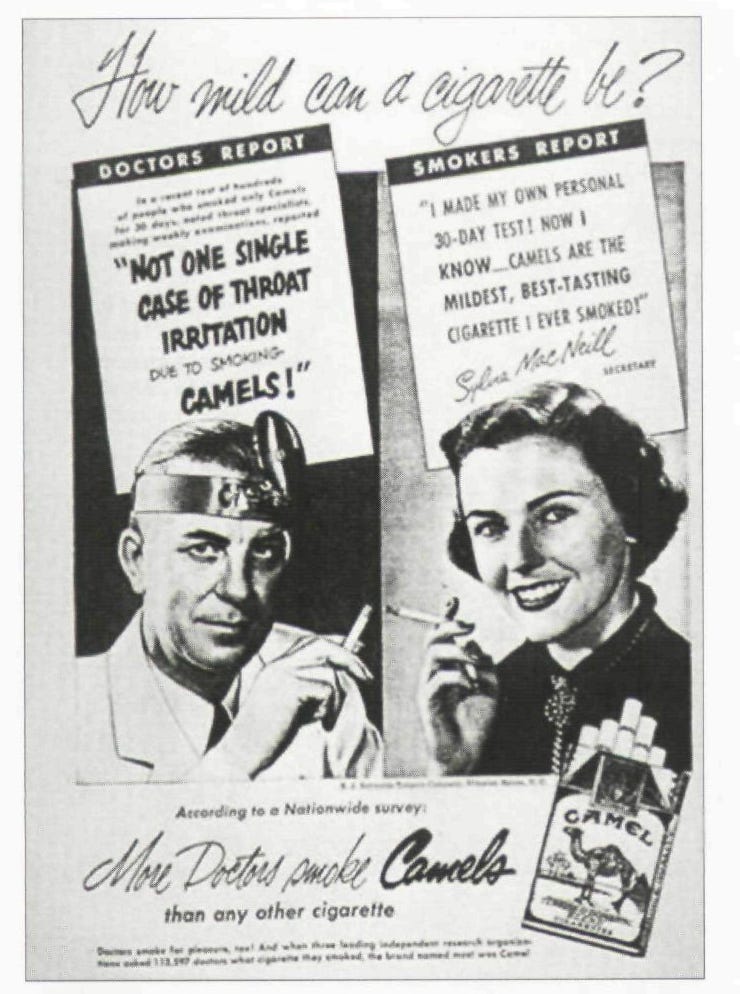
Their excuse was the same as drug dealers’: people chose to smoke. They said the science wasn’t settled. They said they weren’t responsible for what happened after someone lit up. They were just providing a service.
Then the documents came out.
Internal research. Behavioral studies. Evidence that addiction wasn’t a side effect — it was part of the design. The lawsuits followed, then the settlements. And eventually, the warning labels showed up on every pack.
We may be at the beginning of that same arc with social media.
A court has now said that Meta Platforms can be held liable for designing a product that hooks users and keeps them there. Appeals are coming. But the legal theory is what matters, and it’s now on the table.
Addiction by design.
That phrase changes everything. If it holds, it doesn’t stop with one company. It doesn’t stop with Facebook or Instagram. It reaches TikTok, Snap Inc., YouTube, and anything else built to capture attention and stretch it out as long as possible.
The comparison to tobacco is right on the money. The only difference is that designers know far more about human behavior than they did in tobacco’s heyday.
Design the product. Study the user. Optimize for dependence. Deny the harm. Repeat.
The algorithm is all.
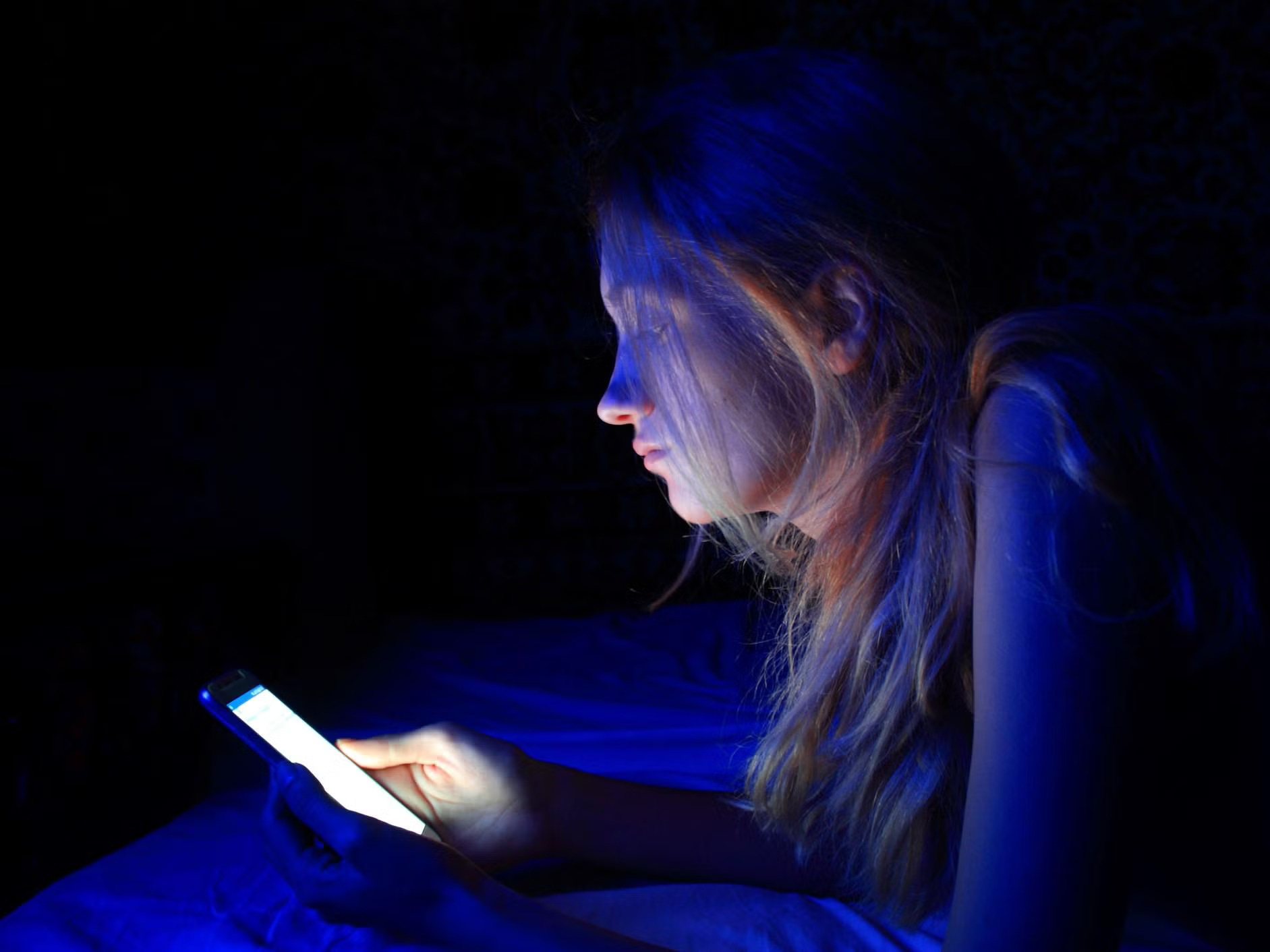
There are sure to be more lawsuits — maybe decades of them. Everything social media is built on becomes a target: architecture, infinite scroll, autoplay. Recommendation engines tuned not for truth or value, but for time spent.
I can imagine a warning label — not on a pack of cigarettes, but on your screen:
“Warning: This platform is designed to be habit-forming.”
It sounds absurd until you remember that people once thought cigarette warnings were absurd too.
There are a lot of people who think that’s a good idea. I’m one of them. Users should be informed about the risks of the products they use.
But there’s another permutation that should make us pause our scroll for a minute.
Once a court says these platforms are responsible for what their systems amplify, someone else will notice.
Government.
Specifically, a government that has shown a strong interest in shaping narratives — elevating some, suppressing others.
If a company can be held liable for pushing harmful material, the next question comes fast: who decides what counts as harmful?
That’s where this gets dangerous.
An administration doesn’t need to pass a law telling platforms what to promote. It just needs leverage. Legal exposure creates that leverage. Regulators can lean. Lawmakers can threaten. Agencies can hint. Social media companies called into the smoky boardroom and told: adjust your algorithms. Or else.
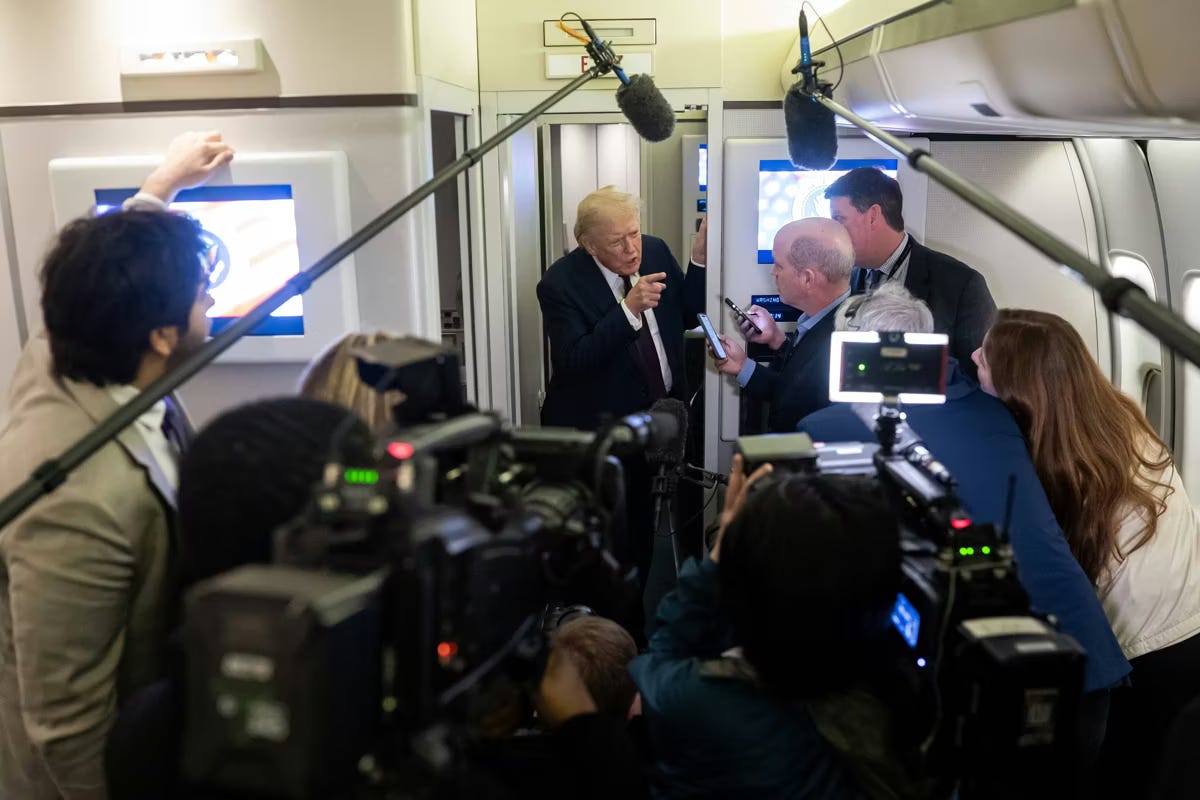
Under the second Trump administration, it’s not hard to imagine how that pressure gets applied. We’ve already seen the language. Coverage he doesn’t like is “fake news.” Reporting he disagrees with is “distortion.” Entire networks are accused of working against the country — “enemies of the people.”
Many bend the knee, choosing corporate deals and profits over the First Amendment.
Now connect that to a legal environment where amplification equals liability.
You don’t need direct censorship. You don’t need to shut anything down. You just need platforms to decide it’s safer not to show certain things.
And once that calculation sets in, the feed changes. Certain stories travel a little less far. Certain voices don’t trend. Certain topics don’t surface.
That’s how these shifts happen. Not all at once. Not with a single ruling or a single law, but with incentives that slowly reshape behavior until the new system feels like the only system that ever existed.
And it will feel normal.
Experts who study closed systems have long noted something unsettling: even when propaganda is obvious, it still works if there’s nothing to compare it to. In places like North Korea, the message holds because it’s the only message people ever hear.
Could social media drift in that direction? Could something as simple as a warning label be co-opted into something else entirely?
That’s the real question: What gets written on the label — and who gets to decide what it warns against.
What do you think? Let me know in the comments below. And please share the article. More reach helps support my work.
But I well understand the struggle parenting can be. And I make poor decisions just like everyone else.
Sorry, people. The truth is, of course, somewhere in between. I am old and out of touch and I can't imagine allowing my children/grandkids to endlessly use social media any more than I could imagine handing them a syringe filled with heroin.