

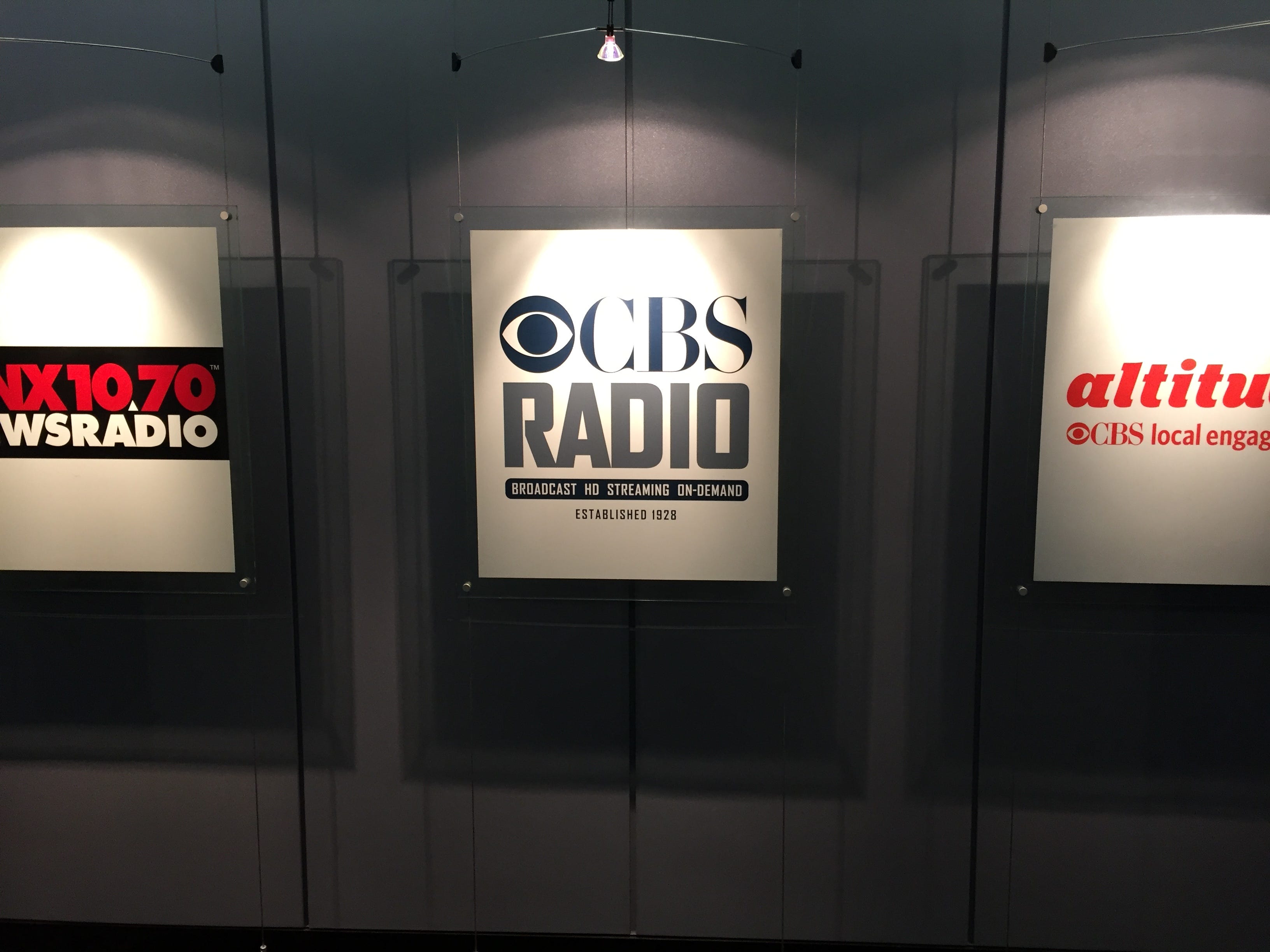
Eleven years ago this month, I walked into the studios of KNX on Wilshire Boulevard for the first time as an employee. I passed by the CBS Radio logo, got my badge with the CBS eye on it, and felt a surge of pride.
The logo meant something. It had history. Edward R. Murrow’s ghost was in it — and I was a member of the Church of Edward R.
CBS Radio had been a thing since 1927, formally established in 1928. KNX, once the flagship for CBS on the West Coast, had been broadcasting since 1921. All that history meant something to me. I felt as if this would be the pinnacle of my radio career.
CBS sold off its radio stations a couple of years later, but we were still an affiliate, using its national and world news resources and top-of-the-hour newscasts. The CBS chime was an hourly part of my life. I was super pumped the first time one of my wraps was sent to the network and used.
It’s heartbreaking to know that CBS on the radio now belongs only to the past.
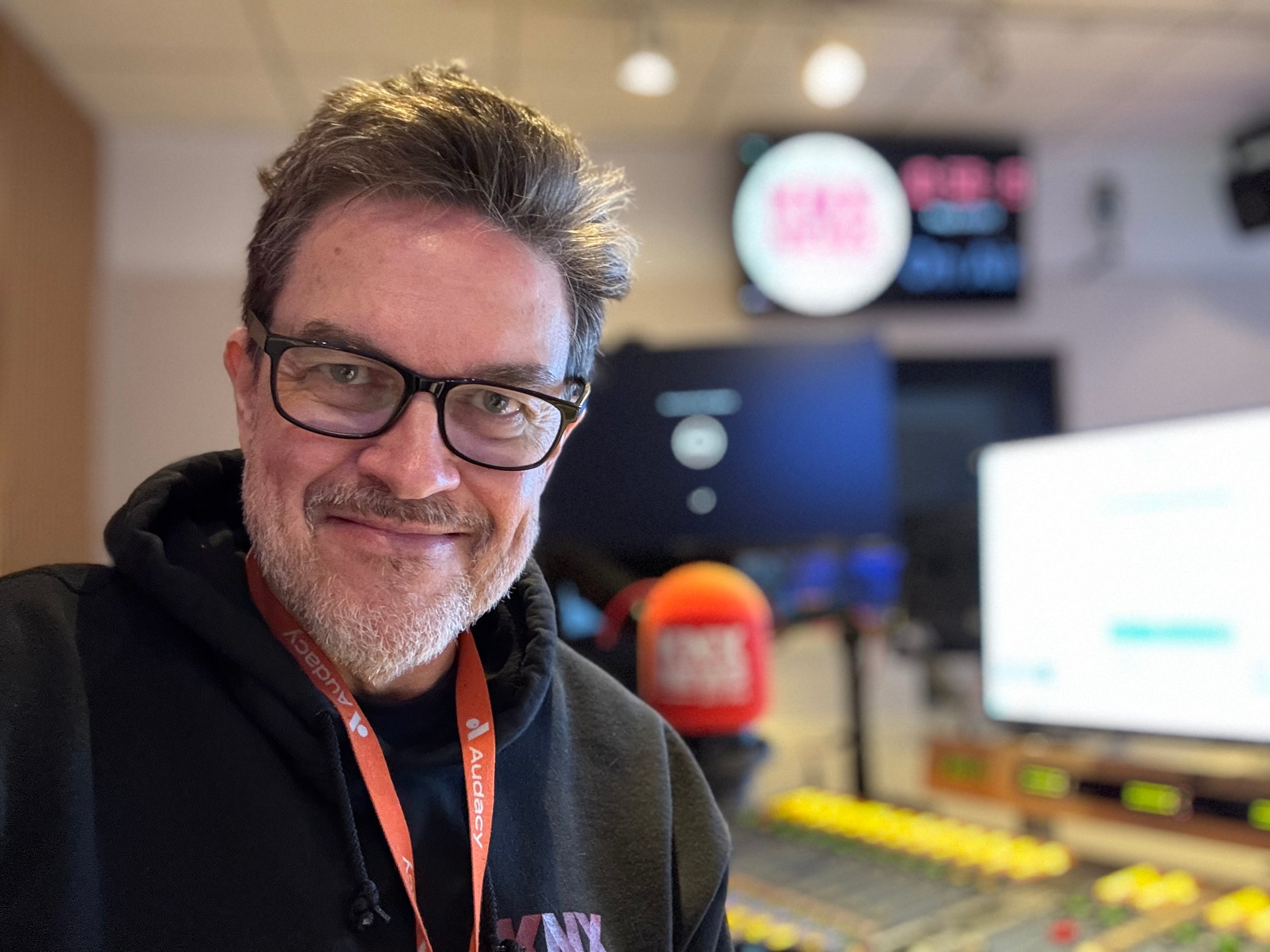
My time at KNX came to an unscheduled end nearly a year ago.
And it says something about radio right now that I’m still on the beach nearly a year later, weighing whether my future is broadcasting — or joining the growing army of former radio people surviving on side hustles. Podcasting. Writing. Imaging. Even writing a little music.
It has been an up-and-down love affair with radio.
I think back to my beginnings. Getting my first job at WSWN in my hometown. A small AM-FM combo. The AM carried tapes of preachers and gospel music. The FM side was country — and that’s where I found myself for my very first shift, babysitting the overnight as we carried Larry King on the Mutual Broadcasting System.
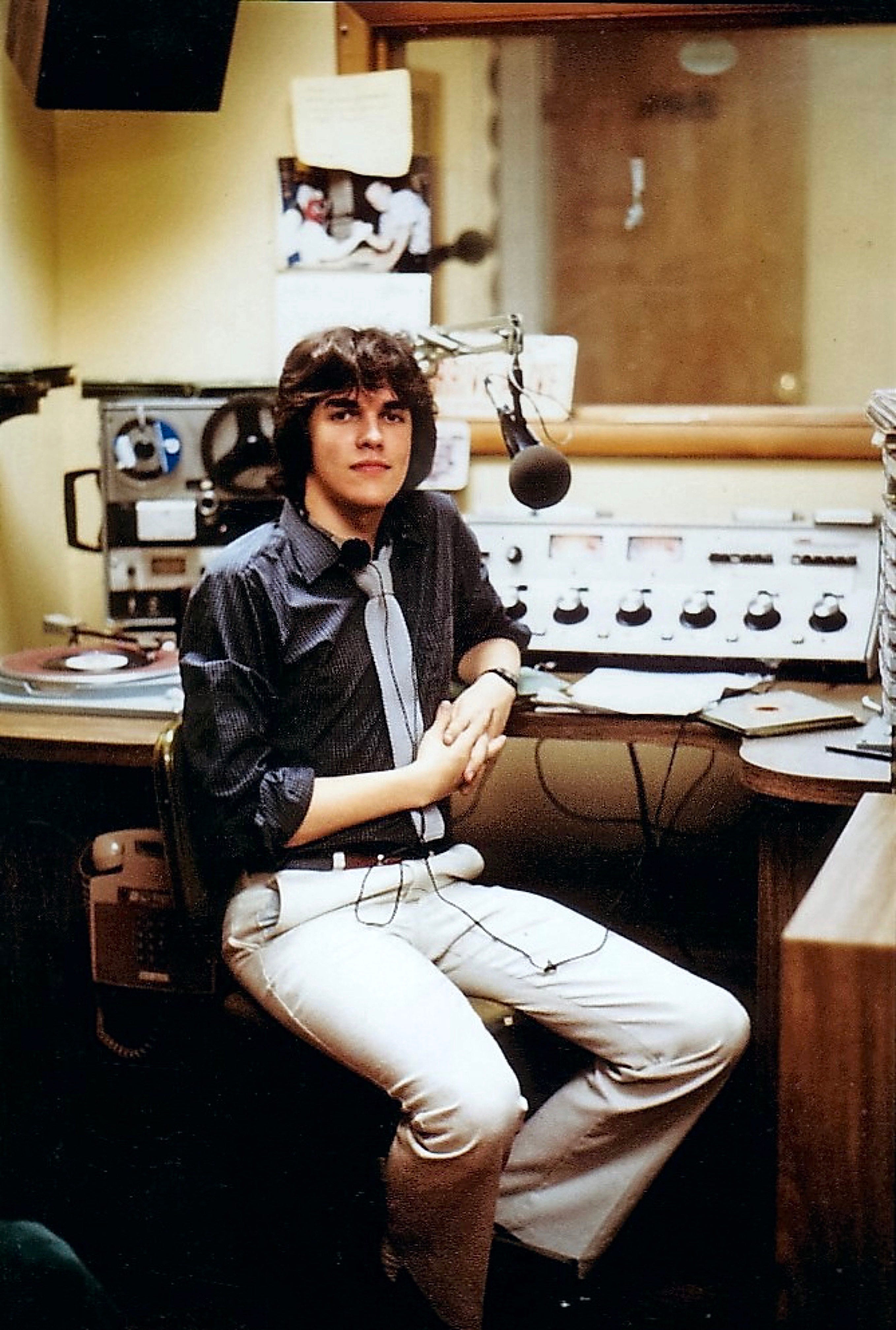
The building was so new that not all the interior walls were up yet. Because I had lots of time during segments, I played with the single reel-to-reel recorder in the “production room,” such as it was. It was my first schooling in recording and production, figuring out how to make my voice sound.
I’m still figuring it out.
I got my own show while I was still in high school, hosting afternoon drive, playing music I wasn’t really much of a fan of. There was no clock, no format other than country records. My OCD brain started thinking of ways to space out the most popular songs for maximum impact. Little did I know the tiny program director fetus was already growing in my soul.
Later, the station got a real program director, and I learned the secrets, the math, and the logic behind scheduling music and building clocks.
After high school, I graduated to the morning show. My alarm would go off at 4:30 AM, I’d turn on CNN Headline News, run past the convenience store to pick up coffee and USA Today, and get to the station in under three minutes. It was 1.7 miles from my house.
Our equipment wasn’t state-of-the-art. The transmitter had to be warmed up, so I had to start heating the filaments at 5:15. We’d stopped carrying Larry King and were shut down during overnights by then. I signed on with the heartiest “good morning!” I could muster at 5:30.
Through it all, the constant was the microphone.
When people ask me what it is about radio that I love, it’s a simple answer. I love talking into a microphone and knowing someone can hear me.
Everything else about radio radiates out from that.
And more than 20 years ago, I discovered I loved broadcast journalism as much as I loved talking into a microphone. To be able to do both things at the same time — and to improve my skills as a writer and communicator — was a dream come true.
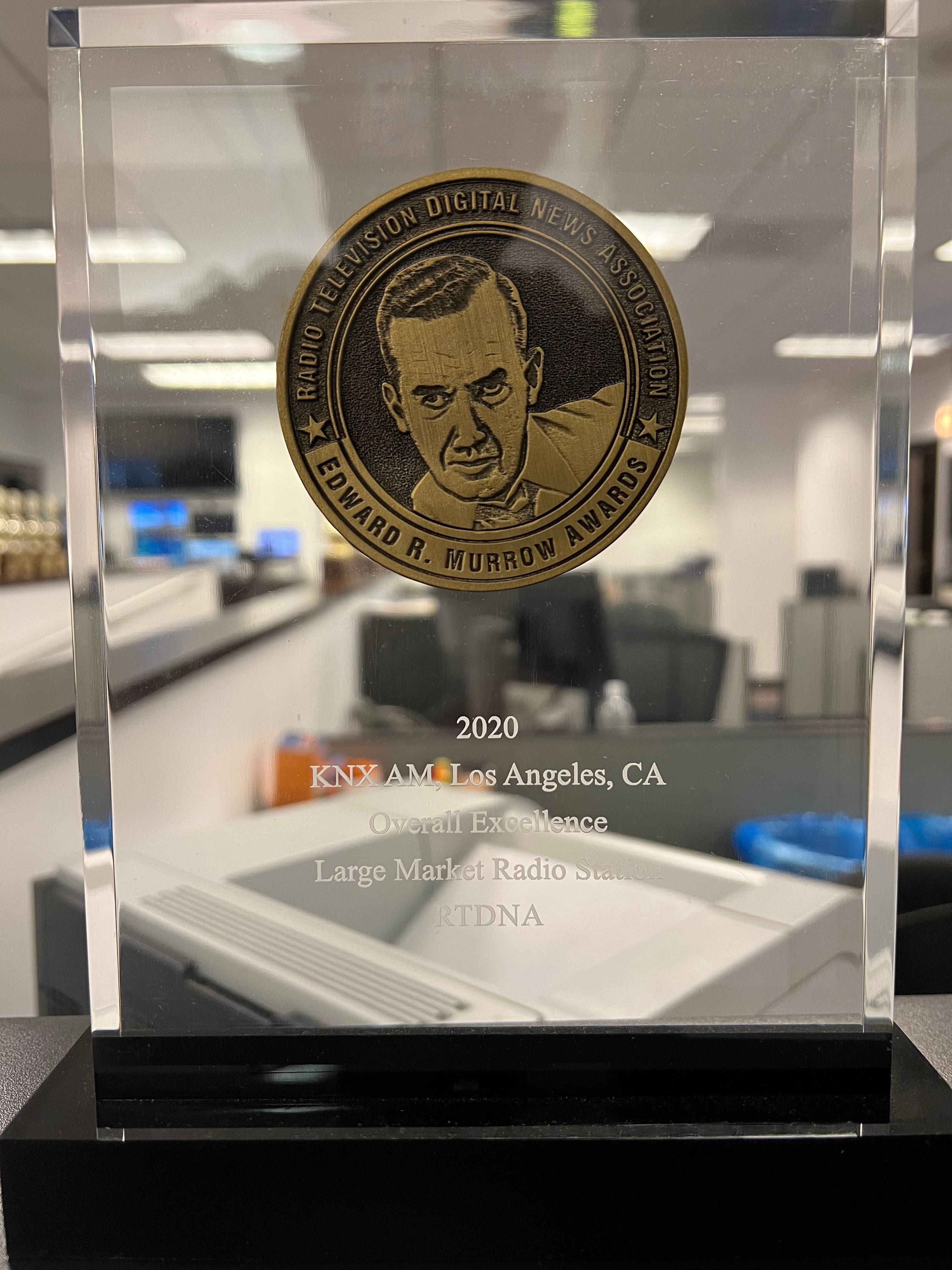
Maybe KNX really was the pinnacle of my broadcasting career. Maybe I’ll wind up back inside the machine somewhere else.
But it’s bittersweet. The machine is shrinking. It gives back less and less of what people pour into it. Quarterly earnings reports. Corporate consolidation. Audiences splintering into smaller and smaller fragments. All of it pulling at the foundations of broadcasting.
Or maybe not. Radio survived television. But that model may not hold forever. Newspapers survived radio, then television too. But many of them aren’t surviving the social media age.
Maybe radio is facing the coming of night.
Stars burn bright. They give warmth and light to the worlds around them. But every star eventually dies.
“As surely as it rises, every sun must set,” or so the saying goes.
But I say to broadcasting: I have loved you with all my heart. Even the times you burned me, hurt me, sent me out the door — I loved you still.
And I can still broadcast, after a fashion. I write and record Archer’s Line. I host podcasts like Archer & Feldman and Disciples of Democracy.
Maybe this is what broadcasting becomes when the towers start going dark.
But I’m still here.
Still talking into the microphone.
Hang in there Rob. I'm pulling for you! Also I sometimes believe the MEGAfication of everything will fall apart and we'll end up back where we started with smaller and medium sized companies again. Or maybe I'm just closer to unhinged than I thought. 🤔
I remember, as a young girl (about 9), lying in bed, listening to my tiny transistor am radio. I was fascinated that I could hear music and talk from a station all the way in Boise, in my bedroom in Huntington Beach. I listened to music, news, farm reports, and my favorites…the bumpers. I loved the blurbs from the deejays!
50+ years later, I listen mostly to news (KNX1070) and I stream a friend’s show from a rock station in Phoenix. I still love the bumpers.