

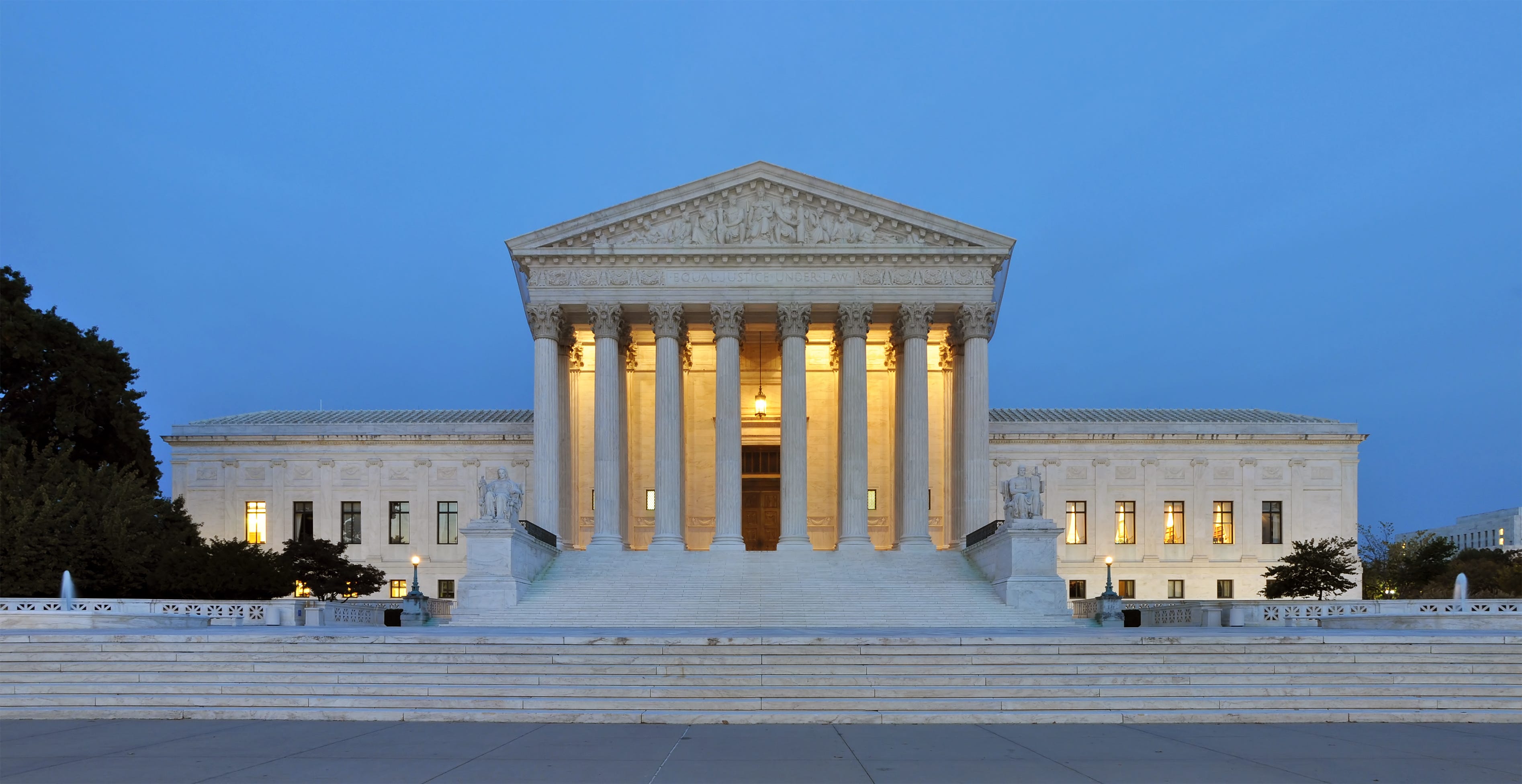
On Tuesday, the Supreme Court ruled 5–4 that Americans cannot sue the U.S. Postal Service for damages when postal workers intentionally destroy or refuse to deliver mail.
The case is USPS v. Konan. The majority opinion was written by Clarence Thomas. Every Republican-appointed justice joined him except Neil Gorsuch, who sided with Sonia Sotomayor in dissent.
What the Case Was About
Lebene Konan, a landlord in Texas, says postal workers refused to deliver mail to her tenants for two years. She says it was because they objected to the fact that a Black woman was renting rooms to white people.
She sued under the Federal Tort Claims Act. That law allows people to seek damages from the federal government in certain cases.
But the law also says the government cannot be sued for claims arising from the “loss, miscarriage, or negligent transmission” of mail.
The question was simple: Does “loss” include intentional destruction?
Sonia Sotomayor said no. You don’t intentionally “lose” something.
Clarence Thomas said yes. He argued that someone can suffer a “loss” even if it was caused on purpose.
The Court agreed with Thomas.
The result: even if a postal worker deliberately destroys your mail, you cannot sue for damages under this law.
Why This Matters for Voting
Millions of Americans vote by mail. Some states conduct elections almost entirely that way.
Before this ruling, the Federal Tort Claims Act created at least some legal risk for postal workers who might intentionally destroy or withhold ballots. It was not a guarantee of protection, but it was a deterrent.
That deterrent is now weaker.
If a postal worker intentionally trashes ballots, voters can’t use this federal law to seek damages.
At a time when trust in elections is already strained, this ruling removes another layer of accountability.
The Postal Service is overseen by leadership aligned with President Trump. The Justice Department, which would investigate election crimes, is run by his administration. And Trump has been complaining nonstop about the upcoming midterms.
Is There an Out?
Can someone sue under another law? Possibly — but it just got harder, and the options are limited.
Here’s how it breaks down.
1. The Federal Tort Claims Act (FTCA) — Now Blocked
The ruling in USPS v. Konan closes the door on suing the Postal Service under the Federal Tort Claims Act for mail that is intentionally destroyed or withheld.
So that path is gone.
2. Constitutional Claims (Bivens Lawsuits)
In theory, someone could try to sue an individual postal worker for violating constitutional rights — for example, the First Amendment (interference with political participation) or the Fourteenth Amendment (equal protection).
These are called Bivens claims.
The problem: the Supreme Court has spent years narrowing Bivens. The current Court doesn’t seem keen to expand it into new areas. Election-related mail interference would likely be considered a “new context,” which makes success unlikely.
Bottom line: legally possible, but uphill and uncertain.
3. Civil Rights Statutes (42 U.S.C. § 1983)
Section 1983 allows lawsuits against state officials for civil rights violations. But postal workers are federal employees, not state officials. So § 1983 generally does not apply to USPS employees.
4. Criminal Prosecution
Intentionally destroying ballots or mail can violate federal criminal laws. That means the Department of Justice could prosecute.
But that’s not the same as a private citizen suing for damages. And prosecution depends entirely on executive branch discretion, an executive branch under Donald Trump, who has made his feelings about the outcome of the midterms clear.
5. Election-Specific Laws
Federal election laws prohibit interference with voting and mail ballots.
Again: those are criminal statutes. Enforcement depends on Trump’s Justice Department.
Private civil remedies are limited and often hard to pursue unless tied to broader civil rights violations.
The Real-World Effect
After this ruling, if a postal worker intentionally destroys ballots:
You can’t sue under the FTCA.
A constitutional lawsuit would face major hurdles.
Criminal enforcement depends on the administration in power.
So yes — other legal theories exist. But the most straightforward civil damages route is now closed.
With an avenue now open for Trump to block mail-in voting, at least in some areas of the country (and we can imagine which ones might be targeted), trial balloons like sending armed ICE agents to polling places, and Trump’s desire for his government to “take over voting” in Democratic states, the danger signs for our right to vote are loud and clear.
What do you think? Let me know in the comments below. Please like and share the article. More numbers and more subscribers help support the work. And check out the Disciples of Democracy podcast.
Yes, they are. We all need to do whatever we can to simplify voting for our family, friends, neighbors, and all others who may need help. Taxi companies have offered free rides to polling stations and we need to see more of the same.
Thank you Rob.