

In the early days of Nazi rule, Germany still bore the scars of the Great Depression. Millions of people were out of work, hopelessness was epidemic, and fear was easy to weaponize.
Along came Hitler and the Nazi Party to capitalize on that fear by promising order. And to restore order, Hitler needed someone to blame.
The antisemitism was there from the beginning, but there was another group the Nazis wanted to demonize.
They called them the “work-shy.”
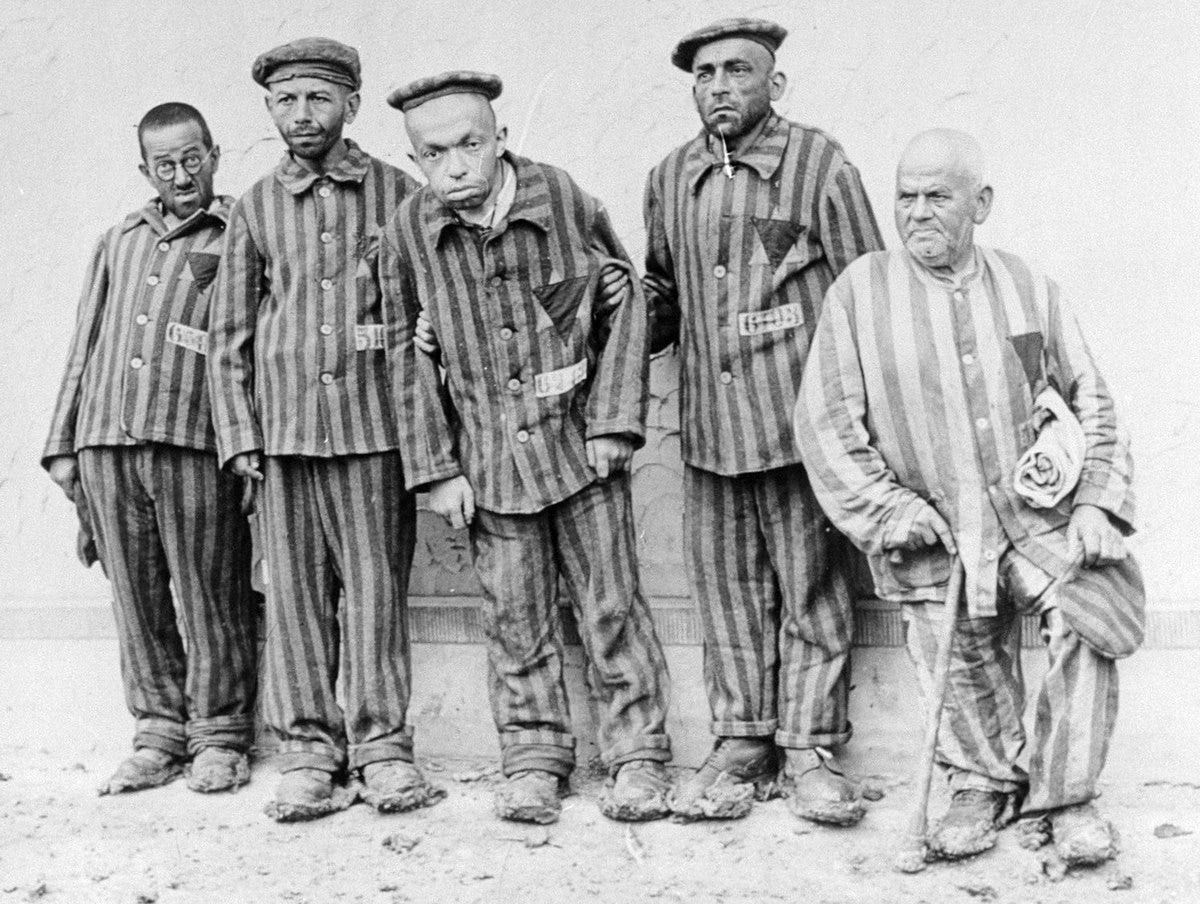
The term sounds almost comical today, like a Dickensian insult. The Nazi regime used terms like “work-shy” and “asocial” for people it considered unwilling or unable to fit into its vision of the national community. The category could include the homeless, beggars, prostitutes, alcoholics, people without stable employment, and others living at the margins of society.
By the late 1930s, German police had been given the power to place people classified as “asocial” into preventive detention without charging them with a crime. In 1938, thousands were rounded up and sent to concentration camps.
Some were arrested in homeless shelters, railroad stations, and bars. Some had committed crimes. Others simply lived in ways the regime considered undesirable. Their crime, essentially, was failing to fit.
People classified as “asocial” were given black triangles in the camps.
This did not mean that every unemployed German was destined for a concentration camp. The history is more complicated than that. But poverty, homelessness, unstable employment, and behavior judged socially unacceptable could put a person under the eye of a state that increasingly regarded human beings according to their usefulness.
And then it got worse, as still more vulnerable populations were put in the cultural crosshairs.
The regime’s racial-hygiene policies included forced sterilization. Hundreds of thousands of people were sterilized under laws intended to prevent people the Nazis considered genetically “unfit” from having children. Some of those classified as socially deviant were swept into that system as well.
But the most horrifying extension of this way of thinking was directed at people with mental and physical disabilities.
In 1939, the year World War II began, the regime created the secret killing program that became known as Aktion T4, after the address of its Berlin headquarters at Tiergartenstraße 4.
The Nazis had another phrase for some of the people they were targeting: “Useless eaters.” People who consumed resources without producing enough in return.
Long before the killing became widely known, Nazi propaganda taught Germans to think about disabled people economically. Posters told citizens how many Reichsmarks an institutionalized disabled person would cost society over a lifetime. Films portrayed the mentally ill as hopeless burdens.
“Look what these people are costing you.”
The Nazis also used the phrase “life unworthy of life.” Once human beings could be placed in that category, almost anything could be justified.
Doctors, nurses, and midwives were required to report young children with serious physical or mental disabilities. Parents were encouraged to send their children to special clinics where they would get care.
Some of those clinics were killing wards. Children were murdered with drug overdoses or slowly starved to death. The program expanded to institutionalized adults.
And much of it happened through paperwork. Questionnaires were sent to hospitals and institutions. Doctors reviewed forms, marks were made, and decisions were recorded.
The person described on the paper might never meet the people deciding whether that person should live.
Patients were put on buses and taken to killing centers. Families were lied to about where they had gone and how they had died. Death certificates carried false causes of death.
And beginning in 1940, disabled patients were murdered with carbon monoxide in gas chambers built specifically for that purpose.
The gas chambers at places such as Hartheim and Hadamar came before the industrialized mass murder at Auschwitz-Birkenau.
Personnel who worked in the T4 killing program later took their experience to the killing centers at Belzec, Sobibor, and Treblinka.
About 70,000 disabled people were murdered in the centralized T4 gas chambers before Hitler ordered that phase of the program halted in August 1941 following growing public protests, including protests from members of the clergy.
But the killing did not stop. It became less centralized and less visible.
Doctors and nurses continued murdering disabled adults and children through lethal drugs, starvation, and deliberate neglect.
Altogether, historians estimate that hundreds of thousands of people with disabilities were murdered under Nazi Germany’s so-called euthanasia policies and related killing operations.
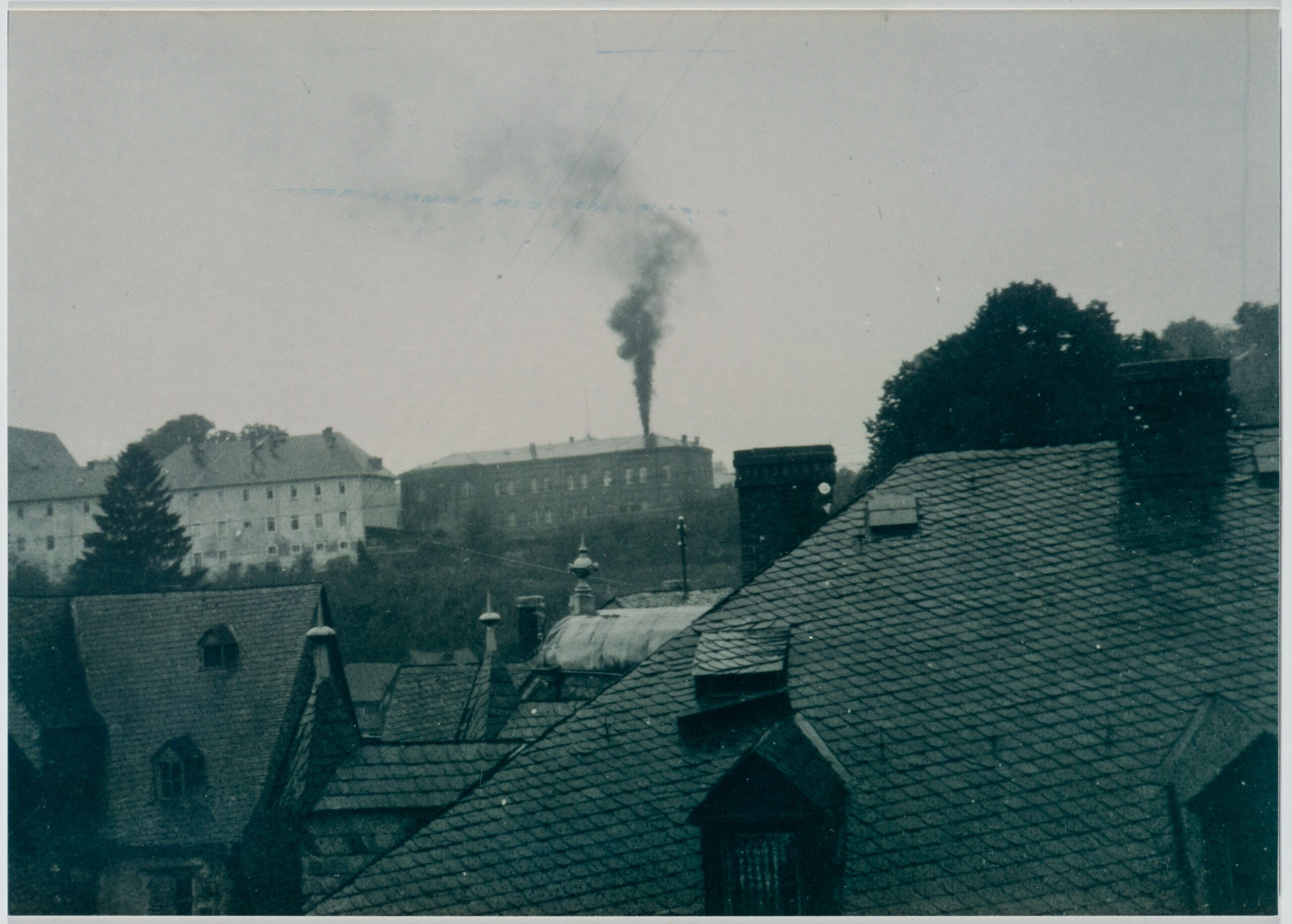
T4 became the prototype for the death camps. If the state could decide that a disabled child wasn’t worth feeding, then it wasn’t much of a leap to decide that whole ethnic and religious groups could be treated the same way.
Why does this matter now?
Because history echoes in whispers, and sometimes it mutters through modern mouths.
Every time we hear someone sneer about “welfare queens,” or mock the disabled, or suggest the unhoused are just lazy... every time we treat poverty as a character flaw instead of a systemic failure... every time we put “cost-saving” above care... we find out that sometimes, slippery slopes do exist.
The history of fascism and totalitarian regimes teaches us what happens when a society forgets that the weakest among us are still human, and how quickly cruelty can be rebranded as efficiency.
There are no “useless eaters.” There are only people. Some need more help. Some carry heavier burdens than the rest of us.
And a healthy society doesn’t discard its struggling members.
Nelson Mandela wrote in Long Walk to Freedom: “A nation should not be judged by how it treats its highest citizens, but its lowest ones.”
Because the moment we stop caring about our weakest members — when we let leaders draw lines between the worthy and the unworthy — that’s when we start marching back into darkness.