

President Trump has won another battle with a television program he doesn’t like.
According to new reporting from Semafor, The View has quietly changed the way it books political guests while the FCC investigates whether the program violated the equal-time rule. The show was once a regular campaign stop for candidates from both parties, but it hasn’t featured a candidate running in a competitive race since the inquiry began in February.
ABC argues that The View qualifies as a news interview program and is therefore exempt from the equal-time rule. The FCC hasn’t decided otherwise. In fact, it hasn’t decided anything yet.
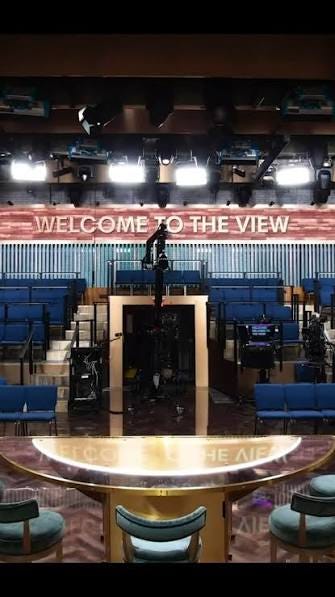
But according to Semafor, the investigation itself has already changed the show’s behavior. Producers reportedly declined to book Democratic congressional candidates because they were proceeding cautiously while the FCC inquiry continues.
Bullying works.
Networks have settled lawsuits they probably would have fought a few years ago. Political interviews have been canceled over equal-time concerns. Executives have become increasingly cautious whenever a story or a guest might attract unwanted attention from federal regulators.
Now, if the reporting is correct, one of television’s most influential political talk shows has changed its booking strategy before the FCC has even ruled on the question before it.
ABC clearly understands what’s at stake. Just a few weeks ago, the company took the unusual step of airing promotions urging viewers to oppose the FCC investigation, arguing that it threatens decades of First Amendment protections for news programming.
Yet even while making that public argument, the network appears to be acting more cautiously behind the scenes. It isn’t the first sign that Disney has become reluctant to pick fights with the Trump administration.
The FCC may ultimately conclude that The View qualifies for the same exemption it has enjoyed for decades. Or it may not.
But if one investigation is enough to persuade a television program to rethink who it invites on the air, then the investigation has already accomplished one of its most important objectives: making broadcasters think twice before exercising editorial judgment.
What do you think? Did The View let you down? Did they do what they had to do? Or is it right to bully them into not having certain guests on the show?
So disappointing. The irritation of seeing any entity/person sit the fence on issues that matter is always so high for me. Believe in something? Then ACT like you actually do!
Thank you, Rob.