

Every now and then, the world creeps up on us while we’re focused elsewhere — Ukraine, Gaza, inflation, elections — and suddenly we’re staring down the barrel of a crisis bigger than the last one. That’s where we are with Iran right now: not in the distant realm of “what if,” but in the very real possibility of a sustained military campaign involving the United States and Israel, possibly within weeks if not sooner. Maybe even days.
Here’s the Lay of the Land
1. The U.S. military buildup is historic.
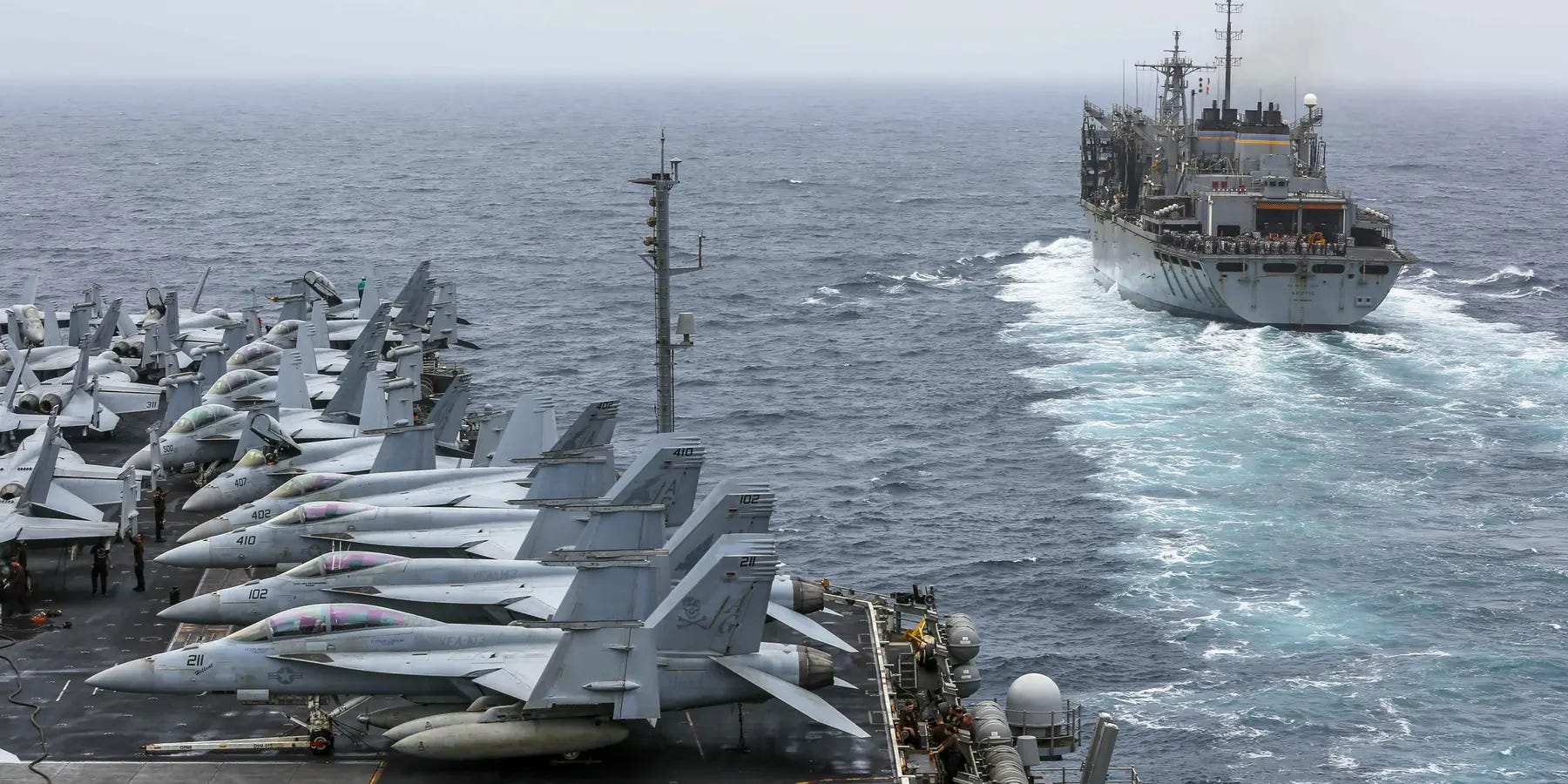
In the last month, the United States has surged forces into the Middle East on a scale not seen since the Gulf Wars — multiple carrier strike groups, upwards of a dozen warships, hundreds of fighter jets, and advanced air-defense systems.
One recent report counted more than 50 fighter jets deployed in the last 24 hours alone, reinforcing a posture that’s no longer defensive.
And the second aircraft carrier — USS Gerald R. Ford — is on its way, a strategic signal that goes beyond mere deterrence.
2. Talks are ongoing but not close to resolution.
The U.S. and Iranian delegations have been meeting in Geneva and other venues. Officials describe parts of the talks as “productive,” but wide gaps remain.
Vice President JD Vance has publicly warned that military action remains an option if diplomacy fails. Oil and gold markets are already responding to that uncertainty.
3. Iran isn’t just sitting still.
Iran’s military is responding: naval drills in the strategic Strait of Hormuz, joint exercises with Russia in the Sea of Oman, and fortification of military and nuclear sites in response to past strikes.
You will recall that the Strait of Hormuz is the chokepoint through which about one-fifth of the world’s seaborne oil moves. A conflict there is not a local event — it’s a global economic shock waiting to happen.
So Is This a War in Days or Weeks?
Different sources describe the timeline differently — but all point toward shrinking leeway for peace:
Israeli officials are reportedly preparing for conflict within days if diplomacy collapses.
Some U.S. advisers put the probability of kinetic action as high as 90% within weeks.
Others — including some Pentagon voices — suggest the administration might take a bit longer to ensure everything — strategy, targets, logistics — is in place.
No outlet reporting on this is saying “war is decisive tomorrow,” but they all agree the window to avoid conflict is closing fast. And some sources in the administration say that an attack could come as soon as this weekend.
Make No Mistake: If It Happens, It Won’t Be Like Venezuela or a Pinpoint Strike
Multiple outlets — from Axios to independent military observers — describe a potential operation that would look much more like a campaign:
Joint U.S.–Israeli strikes on nuclear and missile infrastructure
Extended air operations
Weeks-long timelines, not hours
Regional ramifications, including retaliation via Iran’s allies
This is exactly the sort of conflict most Americans believe we’ve been safely distanced from — but the facts say otherwise.
Why You’re Not Hearing This in the Headlines
Media focus has been elsewhere. The Gaza war, domestic politics, Epstein, FCC threats against TV talk shows, and economic anxieties have dominated news cycles.
Officials publicly downplay the likelihood of war even while positioning forces. Political actors instinctively avoid spooking markets or voters — until a decision is made.
But markets are reacting: oil and gold prices are already sensitive to the tension.
The Bottom Line
We are in an unusual, dangerous moment: a military force posture for a major campaign; stalled diplomacy; allied pressure (especially from Israel) pushing for more than just a nuclear arms deal; and a U.S. president who — by his own advisors’ admissions — may see lack of decisive action as weakness.
That’s the dynamic that puts the world not just on edge, but on the brink of real war. This is what the facts on the ground — and in the air — are telling us.
What do you think? Leave a comment below, and please share the article with your friends. Also, check out the Disciples of Democracy podcast.
As always, Rob, you are dependable for factual insights and unbiased, excellent reporting. Frankly, I think most people today are numb from a couple of decades of military threats to and from the Middle East. Iran is angry, so what? We kicked their ass a few years ago, we'll do it again. That kind of thinking is a social problem, not a reporting deficiency. Hang in there. We need professional journalists such as you now more than ever. The pendulum always swings. I sense a slow shift from uninformed opinions to a desire for real facts, especially among young adults. They grew up with social media and are getting tired of mindless bullshit. The are more discerning of a need for solid information.
Boom!!!