

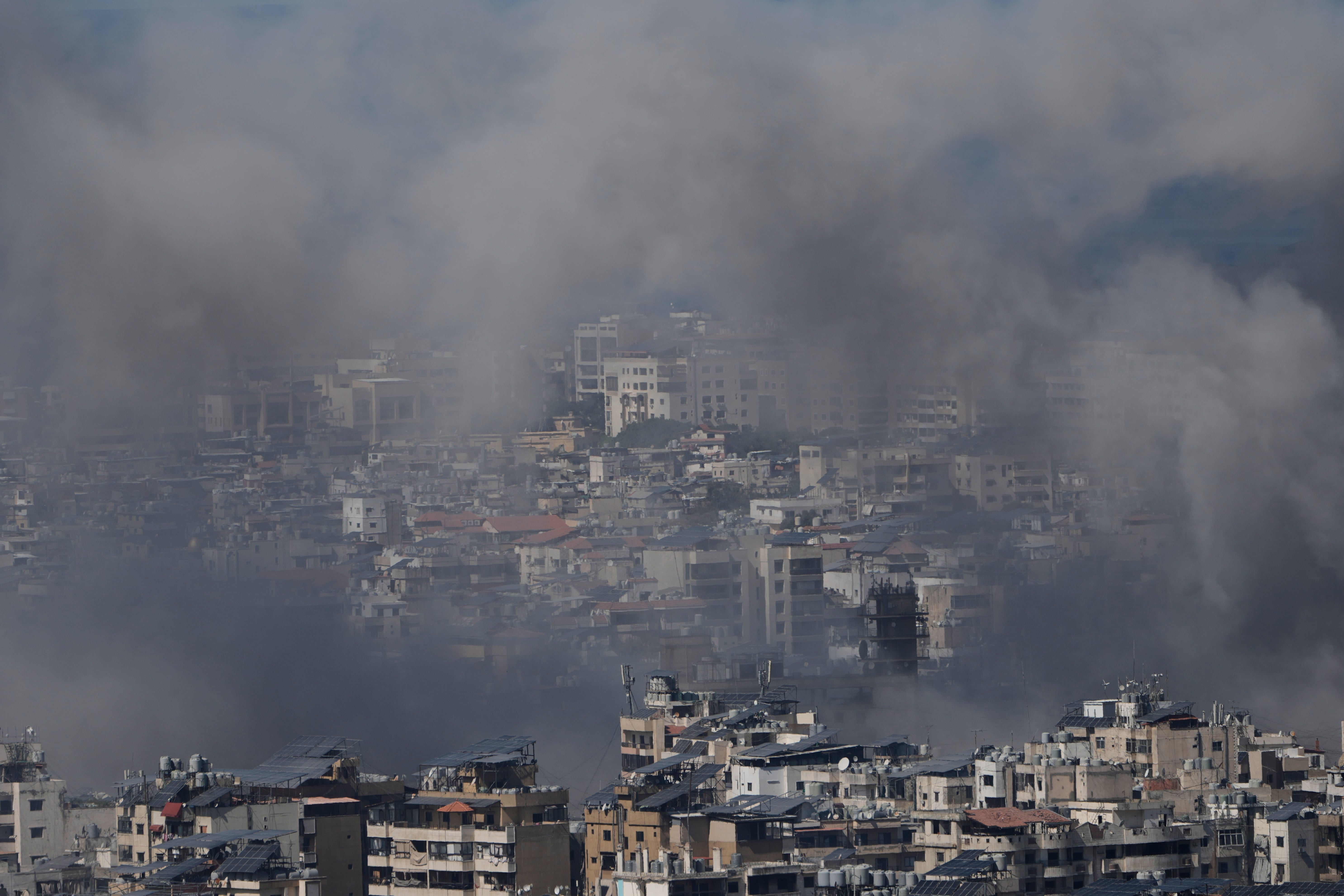
America has a long history of getting involved in the Middle East. It doesn’t have a great track record.
Iraq. Afghanistan. Libya. Syria.
The United States has often believed it could shape the political future of the region — remove a government, pressure a regime, install something friendlier to Washington.
The results rarely match the plan.
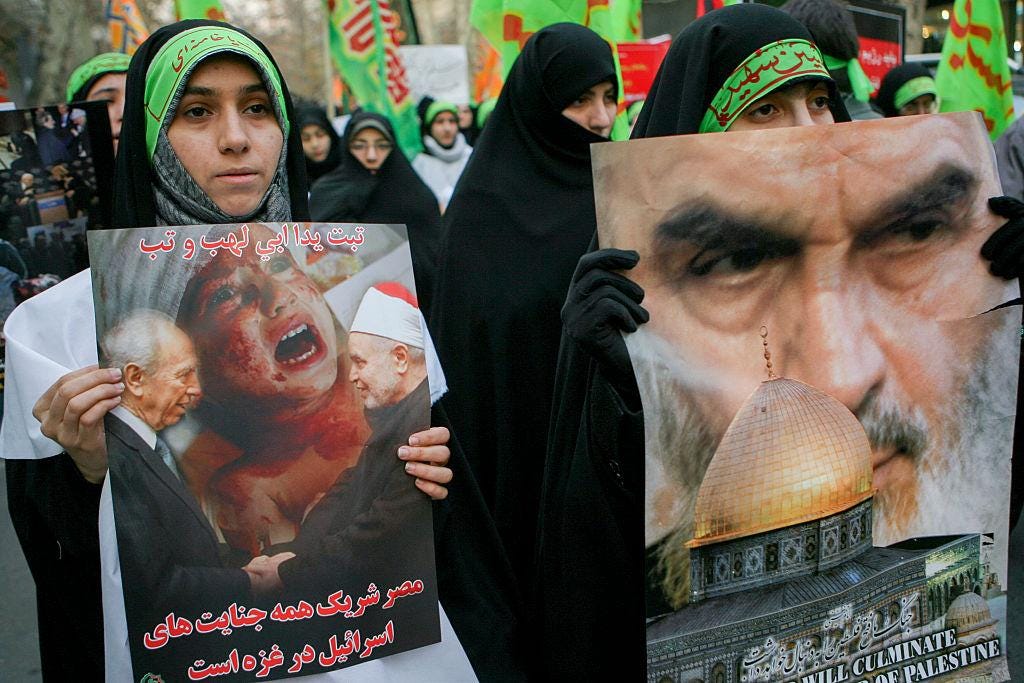
The latest development out of Iran shouldn’t surprise anyone. The Ayatollah’s son has been installed as the new supreme leader. Analysts say it’s a clear signal that hardliners are firmly in charge.
If the goal was to shake the Iranian system or encourage regime change, the opposite is happening.
The system is closing ranks.
That’s what governments do when they feel under attack. Internal disagreements fade. Factions line up behind the leadership. Power concentrates rather than fractures.
Meanwhile, the war is escalating. Israel has launched fresh attacks. Oil prices have surged. The Wall Street Journal says the world may be entering the most severe energy crisis since the 1970s.
War has a way of consuming the conversation.
Former Labor Secretary Robert Reich has pointed to something important here. War is part of the authoritarian playbook. It floods the news. Crowds out criticism. Divides the public. People who question it get labeled unpatriotic. Emergency powers expand. Leaders gain room to maneuver.
Historically, it’s been very effective.
But something interesting is happening this time — especially if President Trump’s plan was to distract from Epstein, the economy, and plans to take over elections.
The war with Iran is dominating headlines. But it isn’t swallowing everything else.
Look at the homepages of major news organizations.
The Wall Street Journal’s most-read story this week wasn’t about the war. It was about fallout from the Epstein files.
The Washington Post’s top story focused on the Trump administration backing away from DOGE cuts and ramping up hiring.
CNN leads with war — but just below that is a report on airport delays tied to the Homeland Security shutdown.
The same pattern shows up everywhere.
The New York Times says its most-emailed story recently was a suppressed environmental report that was later released independently.
The Associated Press reports heavy engagement on a racist group chat connected to a Florida Republican official.
Google Trends shows a spike in searches for “Havana Syndrome” after a 60 Minutes report.
None of those stories is about the war.
People are reading them anyway.

Editors sometimes call this counterprogramming — stories that run alongside the main event. And judging by the metrics, audiences are clicking.
This is a bigger deal than we realize.
In the past, wars could narrow public attention almost completely. The news cycle contracted. Political debate shrank. The country focused on a single storyline.
Today the information environment is different.
News doesn’t come from three television networks and a morning paper anymore. It comes from thousands of outlets, newsletters, social feeds, and independent reporters.
No single narrative controls the whole conversation — even during a war.
Authoritarian leaders have historically relied on war to simplify the political landscape.
But simplification is harder in a fragmented media world.
The attempt to dominate the conversation is running into something new.
Too many conversations are happening at once.
Maybe it’s another sign of our social media-addled shorter attention spans. Maybe people are finally seeing through the playbook. Or maybe it’s a little of both.
Trump’s cratering approval numbers may offer a clue — and possibly a new lesson for political science:
If a leader is unpopular enough, war doesn’t work the way it used to.
Let me know what you think in the comments below. Please share the article with your friends, and check out the Disciples of Democracy podcast, as well as the podchunk version of Archer’s Line, available on Apple and Spotify.
I think the failure Iran has had on narrowing our focus is due to all the reasons you mentioned. I also think it's being dismissed due to the complete lack of foresight from the administration: they never made a case for it--either before or after they decided to attack. Not even a pitiful case, really. I can't come up with a time that's ever happened previous to Trump. He takes it all to a new level --"Let's kidnap a foreign leader!"; "Let's declare war on South American fishing!"; yada, yada, yada. We'll have a press briefing (release, conference) later. I am not even a liberal or a Democrat. Never have been --though you wouldn't consider me conservative either, and I'm not a Republican. I fail to understand every single day what it is about this guy that appeals to ANYONE!! I will never figure it out.
Thank you Rob.