

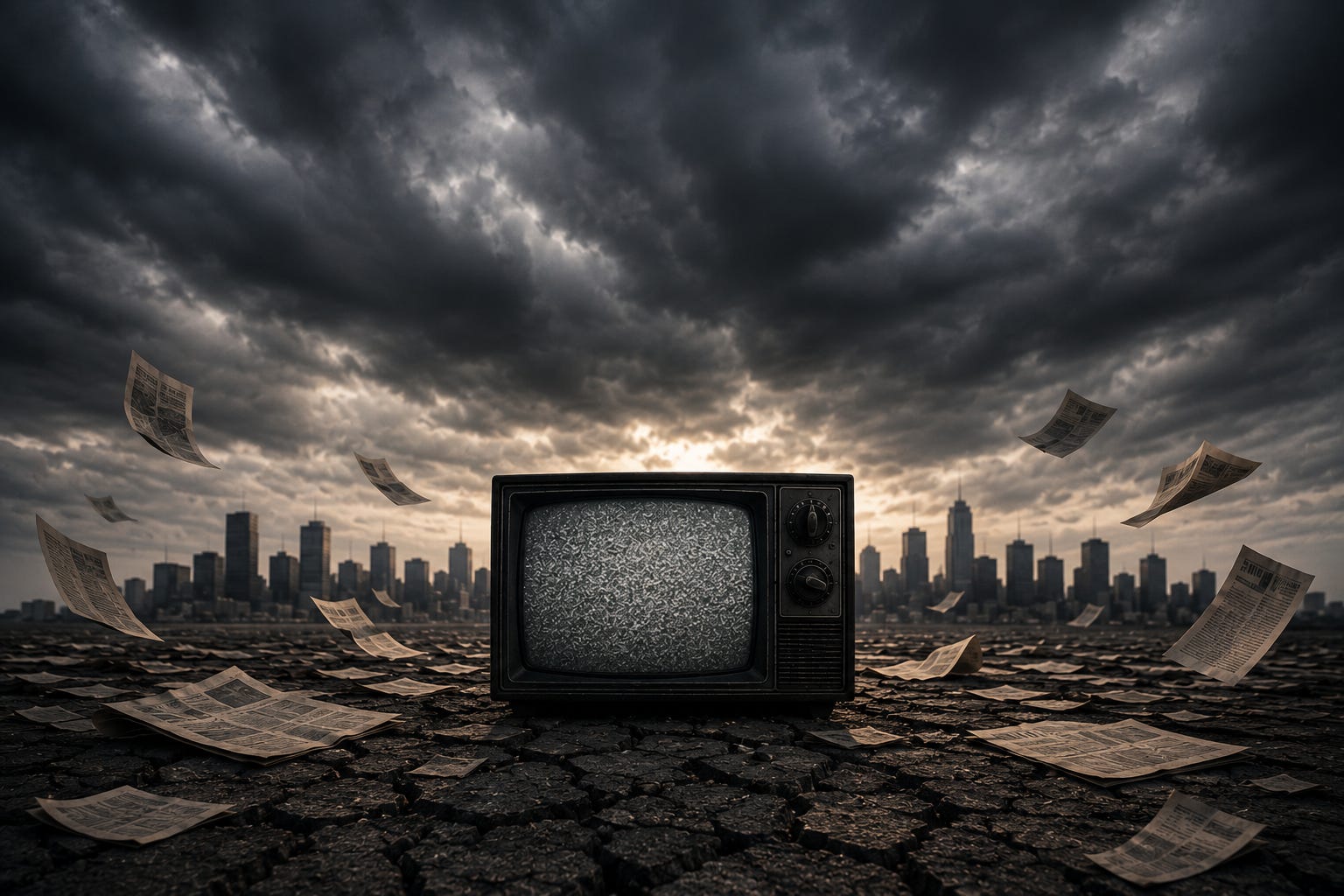
Barrett Media recently asked whether CBS News and CNN can survive. But a bigger question is what happens if major media companies decide that news is no longer worth the cost or the hassle?
Maybe CBS decides that its news division isn’t worth it anymore. Maybe they shut it down like they shut down CBS News Radio.
If one network concludes it’s better off without a news division, the others will eventually ask the same question.
So here’s my hypothetical scenario: Here’s what happens if mainstream news media goes the way of Blockbuster Video. If the big broadcasting and cable companies decide that no one’s getting their news from them anyway, why waste the money?
The end of CBS News would happen a little at a time.
First, the foreign bureaus would close. They were getting cut to the bone already.
Then the investigative teams would be sent home. The big names would get payouts, severance deals. The rest a hearty, “Thanks for all your work!”
They really want to do away with “60 Minutes.” They’re still smarting from all the pushback. Canceling the show would really show them. Ah, but not yet. There’s still a little money to be made. So “60” becomes a podcast. The staff is whittled down to five or six people.
Executives at ABC and NBC start to ask the same questions. Is it worth maintaining foreign bureaus? Why take political heat when sports and entertainment are more profitable and generate fewer headaches?
They see how much money CBS is saving, and their mouths are watering. Now that CBS has broken the dam, no one will care that much if ABC and NBC shut down their news departments. Cable still has news channels, after all.
For a while, anyway. Since broadcasters broke the dam, now the cable owners are doing some quick math in their heads. “How much do we spend to keep CNN on? And how much hassle does it make for us?”
They look at selling the asset, but with news departments being shuttered in places no one ever thought they would, no one’s interested. They don’t want the expense and the hassle, either. Besides, putting all the news on streaming can be done for a lot less money.
News divisions have always had an uneasy relationship with the entertainment companies that own them. Journalism is expensive. It makes powerful people angry, and its value doesn’t really fit into a quarterly earnings report.
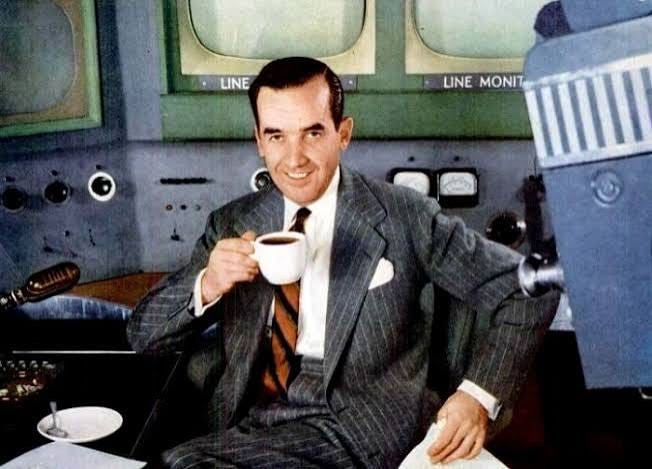
In the Before Times, networks accepted the financial burden because news brought prestige and public trust. It was a civic responsibility. It was considered part of the community service it had to do in exchange for its broadcast license. But those arguments don’t carry weight in a boardroom focused on profit.
Government was already adding more pressure. Now that the broadcasters and cable operators are folding, it’s open season on the rest.
Donald Trump didn’t invent hostility toward the press, but he turned it into a governing strategy. Media owners learned that lawsuits, regulatory fights, and merger approvals could carry real consequences.
And here’s a dirty little secret you’re going to hate me for telling: Those tactics don’t disappear when Trump eventually leaves office.
Future presidents, Republican or Democrat, won’t have to invent new ways to pressure the media because the playbook is already there: Reward friendly outlets and punish hostile ones. Use regulation, access, or corporate leverage to shape coverage.
Formal censorship isn’t necessary if media companies censor themselves.
And now that “big news” is dead, independent journalists start feeling the heat. News websites are also just about dead. Who reads a news story anymore when someone on social media can yell it at you?
Americans were already changing the way they consume news. Now, it accelerates.
The primary source of information is now TikTok, YouTube, Instagram, and podcasts. Headlines are mixed with jokes, family photos, product pitches, and conspiracy theories. And the algorithm will decide if you see it.
Those algorithms change the meaning of news.
Back in the olden days, traditional newspapers and broadcasts forced editors to make choices. Every day they told readers and viewers, “These are the stories that matter most.” People can disagree with those choices, but everyone starts from roughly the same place.
Social media doesn’t work that way. Everyone gets the news they want. You think immigrants are causing all the crime? The only news you get now is about that. You think all Democrats are communists? Those are the only stories you get to see. You think MAGA is nothing more than a zombified Nazi Party? Guess what pops up in your feed all the time.
Influencers replace anchors. The person delivering today’s political story is also selling nutritional supplements, promoting a candidate, and asking followers for monthly donations.
Some of those influencers are encouraged and paid by people and governments that benefit from keeping Americans divided and distrustful of their institutions. Those shady state actors are giddy at how easy it was to kill the free press, something they’d never allowed in their own countries.
There are still a few brave, independent journalists doing remarkable work. But the problem is that careful reporting and complete fiction now compete on exactly the same screen, with no way to tell them apart.
A democratic republic depends on citizens agreeing on basic facts before they argue about what those facts mean. Courts require evidence. Legislatures require informed voters. Corruption has to be uncovered before it can be punished.
A free press doesn’t guarantee democracy, but it does give democracy a chance to correct itself. It’s as important a self-correcting mechanism as elections.
The basic dystopian assumption is that when open, free journalism fails, government becomes more powerful. That’s only one result. The other is that government becomes harder to see. Harder to track. To hold accountable.
And that’s what’s happening, now that all mainstream news outlets are dead.
Agencies change rules without explanation. Contracts flow to political allies with no oversight. Military action begins with no independent scrutiny. Official claims aren’t challenged.
Government communicates directly to the public while fewer independent institutions remain to test what it’s saying.
That’s the path to dictatorship—and something even messier: a country that can no longer agree on what happened.
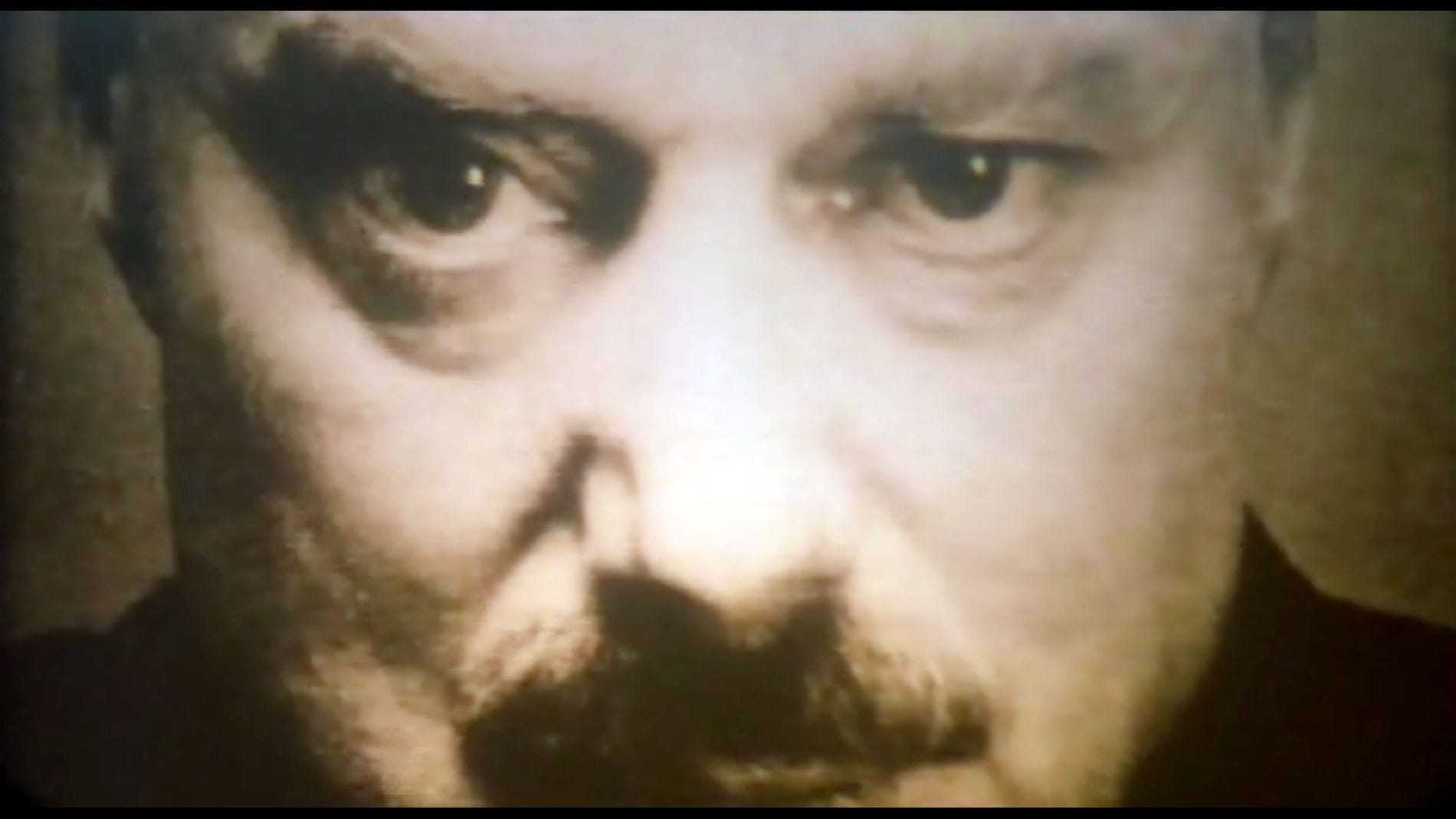
In Orwell’s 1984, Big Brother controlled all information, and it was constantly rewriting history to maintain whatever narrative it needed in the moment. There was no source to go back to for anyone who remembered differently.
But now that institutional news media are gone, that’s no longer necessary. You can rewrite history by flooding the zone with alternative histories. There’s no way to tell which one is right.
Everyone with an opinion can live in their own reality. Billionaires finance news outlets that serve their interests. Every election, court ruling, natural disaster, or mass shooting becomes another fight over whether the underlying facts are even real.
The end result is a country that’s impossible to govern.
The broadcast networks themselves survive only a little longer than their news divisions.
Live sports remain valuable because people want to watch in real time. Major entertainment events will continue drawing audiences. Everything else is streamed whenever viewers want.
Without news, the traditional network becomes little more than a collection of programming rights.
CBS, NBC, and ABC only survive as brands inside streaming platforms. Local stations are just weather, sports, and advertising outlets. No need for news departments. They couldn’t compete with social media anyway, especially since the media infrastructure that supported local news is gone.
American media fragments into a million alternate realities, the way Marvel and DC movies take the lazy way out and just create alternate timelines.
There is more video, more commentary, and more voices than ever before, but fewer reporters sitting through city council meetings, reviewing court records, cultivating sources inside government agencies, or asking questions that powerful people would rather avoid.
We all drown in content while starving for news.
Sometimes I think that’s happening now, and not hypothetically.
The old networks helped create some of this problem. Their journalistic focus shifted from what people needed to know toward whatever they were most likely to watch. Algorithms and ad dollars were all.
Nonprofit newsrooms, universities, independent reporters, and public broadcast still exist, but only as a small shadow, more vulnerable to bullying, corporate and political, than ever before.
They’re still operating in a country dominated by corporations with a lot more money, lawyers, lobbyists, and political influence than any nonprofit newsroom could ever hope to match.
When a company doesn’t like a story, an investigation, or reporting on something it did wrong, they sue. They bury reporters in legal fees, they pressure donors, they lean on the regulators. Eventually, that hapless journalist or newsroom runs out of money, or can’t stand up anymore to the threats.
Who’s there to speak up for them anyway? News is dead. News is only what your particular social media feed tells you it is.
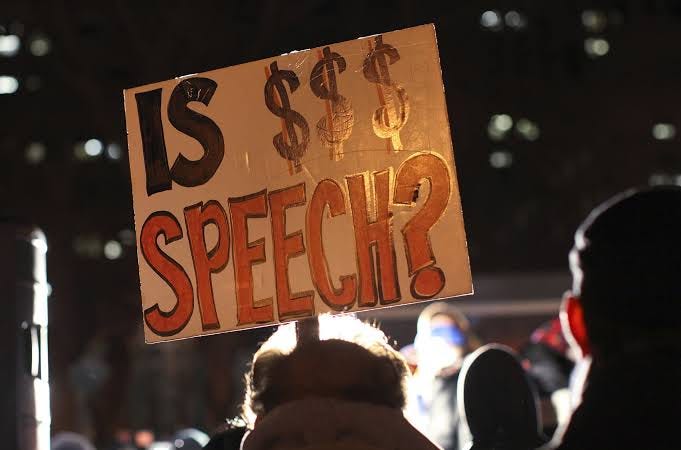
Corporations may talk about free speech, a free press, civil rights, and the public interest when those ideas are useful to them. But corporations are not citizens, neighbors, or public servants. Their legal duty and practical purpose are to protect the business and produce bigger profits. Everything else is negotiable.
But humans are irascible. They’re always willing to be a pain in the ass. I have no doubt there will be a few who’ll keep doing journalism as best they can with the resources they have, in this new news-less America where no one remembers institutional journalism, and can’t even imagine something called an “evening newscast.”
Someone will still be attending the meeting. Reading the court filing. Checking the claim. Asking the question. But they’re badly outgunned by the people they are trying to expose.
Freedom of the press still exists on parchment, but it’s too expensive to use. And most of the social media consumers don’t even remember what the word “press” means.
If all the major media news outlets die, do you think this is how things would play out? I’d love to know what you think.
“Influencers replace anchors. The person delivering today’s political story is also selling nutritional supplements, promoting a candidate, and asking followers for monthly donations.” This is precisely why I don’t listen to most influencers. The moment they’re pushing a product or a particular ideology, or soliciting a donation, sponsorship, or subscription, I’m out.
A world without news media is a return to the dark ages. It’s frightening.
I spent my career in broadcast news, first in radio, then TV, then back to radio and the old CBS network, AP radio, the Wall Street Journal network, the short-lived NY Times radio operation, and finally Fox News Radio. Sad to say, but I fear you are quite accurate. The damage to democratic governance is already immense snd increasing.
By the way, after retiring from the news business, I trained as an artisan bread baker and spent the past ten years working (more happily) in bakeries in NYC and finally here in Seattle. The news industry is collapsing, and I'm glad to be gone.
Stephen Knight