

When people stop visiting a country, that country loses more than their money.
We’ll get to that.
First, the money, because there’s a lot of it.
Tourism is an enormous business in the United States. But something has gone seriously wrong with one particular part of it: foreign visitors aren’t coming here the way they used to.
Geoff Freeman, president and CEO of the U.S. Travel Association, put it bluntly in an interview with Axios co-founder Jim VandeHei. Even some of our closest allies are staying away.
Despite the United States hosting the World Cup this summer, overseas travel is down. The country is on pace to lose nearly two million overseas visitors compared with last year, putting us about 20 percent below the 2019 peak.
Freeman says the U.S. is the only major country in the world losing visitation.
Who’s getting in the line to NOT come?
Some of our traditional allies.
Travel from Germany is down 16 percent so far this year. France is down 15 percent. Canada is down 23 percent over two years.
Meanwhile, people are going elsewhere. China has expanded visa-free entry. Japan continues to benefit from the so-called “cheap yen,” along with its growing reputation as a destination.
Atlanta, my new home, got a firsthand look at the problem during the World Cup.
Tourism officials expected about 20 percent of World Cup hotel bookings here to come from international visitors. The actual number was 8 percent.
Hotel occupancy in Atlanta was 63 percent in June, down about 4 percent from the year before. In July it was down 10 percent. Hotels near the Georgia World Congress Center and some of the big convention properties took even larger hits.
There are qualifications. Domestic travelers helped. Room prices went up, so hotels were able to make more money per available room even while filling fewer of them. Atlanta tourism hasn’t collapsed.
But something else has been lost, and I don’t think you can measure it in room nights.
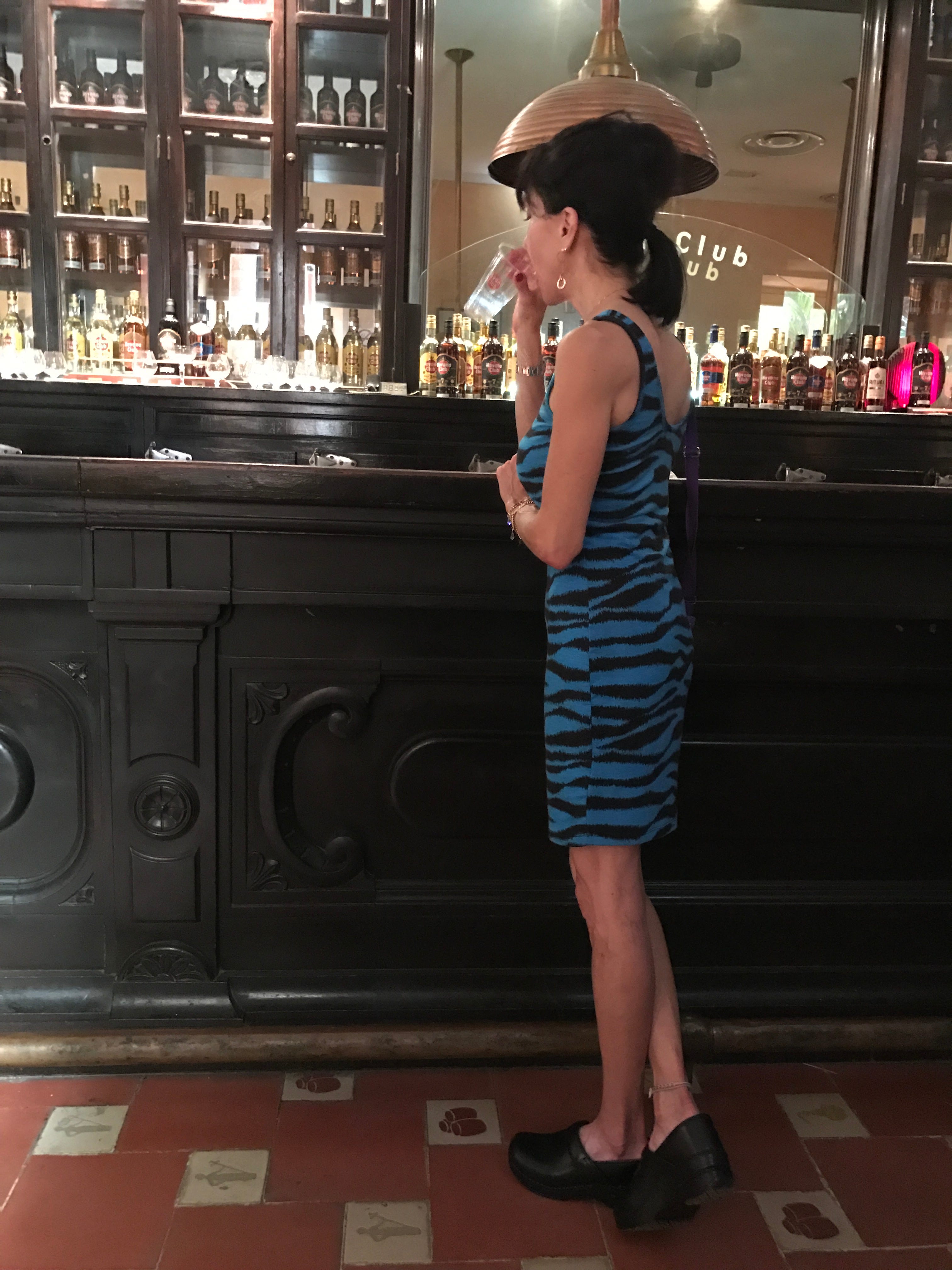
Ronnie and I have traveled outside the United States quite a bit. One of the trips I think about most was Havana in late 2016, during that brief period when Americans and Cubans were allowed somewhat greater contact.
We got to walk around. Talk to people. Listen to them. See where they lived and how they lived. And some of what I thought I knew about Cuba looked different once there were actual Cubans standing in front of me.
That’s happened in other countries, too.
Travel does that.
A country viewed from several thousand miles away can become an abstraction. A government. A flag. Something somebody said on television.
Then you go there and discover the place is filled with people buying groceries, complaining about work, taking their kids to school, arguing about sports, falling in love, worrying about money, and trying to figure out what to have for dinner.
In other words, people. Doing people things.
Foreign visitors coming to the United States get the same opportunity.
Whatever picture of America they receive overseas — through television, social media, politics, or major international events — they can compare it with the real thing. They can meet us. And we can meet them.
Freeman says much of the current decline appears to be driven by protest and fear and not just economics. There are also practical barriers: visa delays, entry restrictions, and uncertainty about the process. The U.S. Travel Association has been warning for some time that those things affect whether travelers choose America over somewhere else.
That’s an economic problem. International visitors stay longer and spend more money than domestic travelers. U.S. Travel says the average overseas visitor spends about $4,000 here.
But I think there’s a bigger loss.
It’s easy to dislike a country you’ve never visited.
It’s easy to define 340 million Americans by the president they elected, just as it’s easy for Americans to define an entire foreign population by whatever government happens to rule it.
People in a country are not their government.
Ronnie and I never felt unwelcome traveling overseas, through administrations of both parties. Maybe that hasn’t changed. I hope it hasn’t.
But fewer people traveling across borders means fewer chances to find out for ourselves. Fewer conversations. Fewer meals with strangers. Fewer moments when somebody says something that makes you realize the picture in your head wasn’t quite right.
There are plenty of economic reasons America should want foreign tourists back. But, there’s another one that’s harder to put on a spreadsheet in cold, hard numbers.
Sometimes the best thing two countries can do for their relationship is let their people meet.
If you value writing that starts with the news but tries to get somewhere beyond it — history, culture, media, science, and the strange ways people make sense of the world — please consider becoming a paid subscriber to Archer’s Line.
Paid subscriptions help me keep doing this work independently, three times a week, without turning every piece into clickbait or chasing whatever happens to be screaming loudest that day.
If you’re already a paid subscriber, thank you. You’re helping keep Archer’s Line going.