

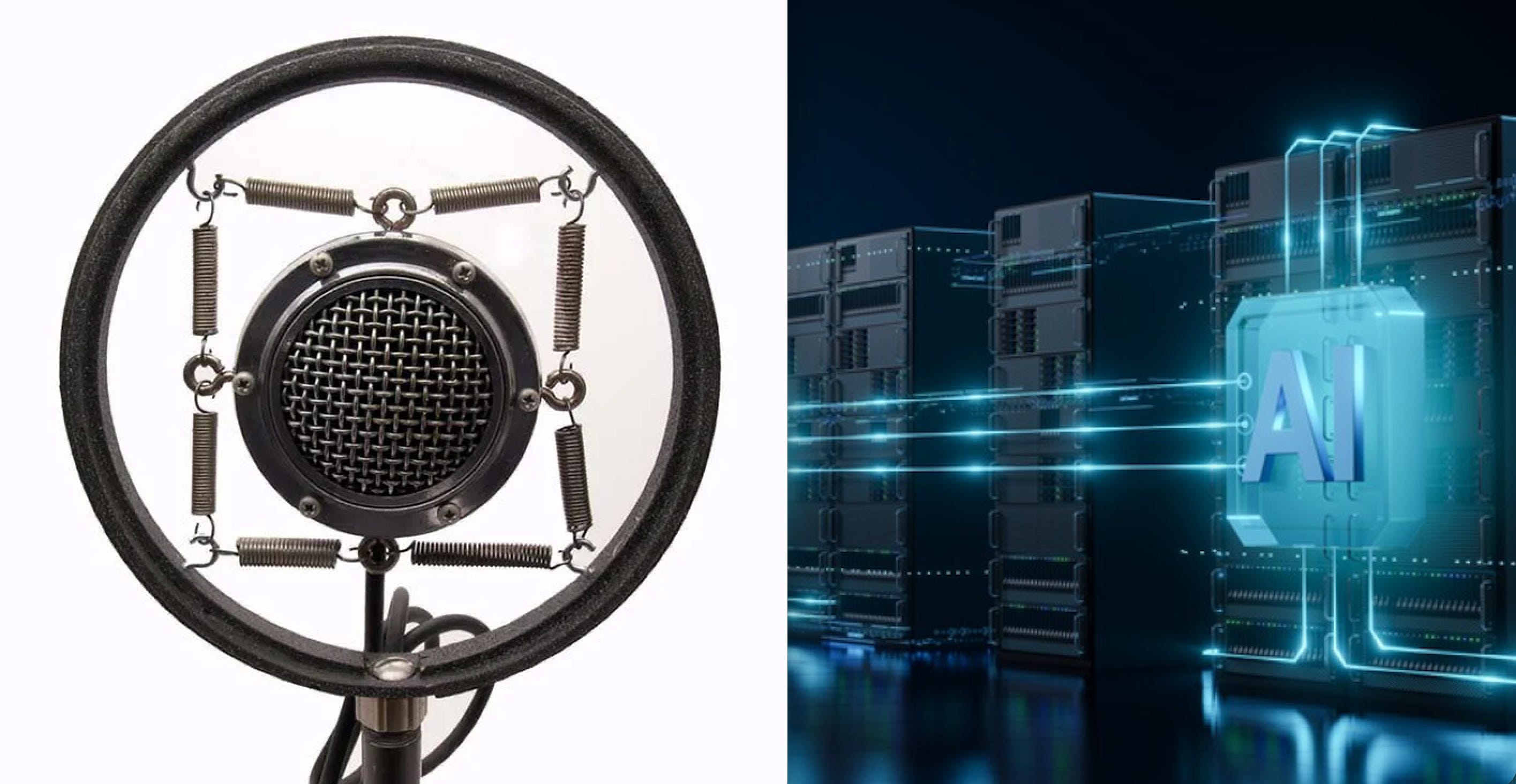
In 1926, RCA helped launch NBC — not to inform the public, but to sell radios. More stations meant more content, more content meant more listeners, and more listeners meant more radios in American homes. And, of course, more corporate profit.
It worked. It didn’t just move product — it helped build modern broadcasting, expanded reach, and created something close to a shared national conversation. We might not have modern broadcasting as we know it today if not for RCA’s push to make more money.
And nearly a hundred years later, the same kind of move is happening again — only now the product is artificial intelligence.
OpenAI has acquired a livestreaming tech show, TBPN. It’s a conversation hub — a place where developers, founders, and insiders talk through the ideas behind AI and how it’s being built. The plan is simple: take that conversation and scale it.
The logic is familiar. Don’t just build the technology — get closer to the audience and shape how people understand it. And the more they understand it, the more they’ll use it.
It’s a page from a hundred-year-old playbook. But the environment is completely different now. As different as the special effects in the first King Kong movie in 1933… and Interstellar.

When NBC came along, the field was wide open. Radio was new, the number of voices was limited, and you could build something foundational because there wasn’t much competing with it. The landscape was flat and clear as far as the eye could see.
Now that landscape is crowded, fragmented, and driven by algorithms. Everyone has a platform. Everyone has a take. Hell, you’re reading mine right now. Most are competing for the same slice of attention.
So the question is whether this kind of move can still do what it once did. Can it build something bigger than the company behind it? Can it improve understanding of a complicated technology? Or does it just add to the noise?
OpenAI says TBPN will maintain editorial independence. But independence only matters in context. A show built around enthusiastic conversations with tech founders won’t stomach adversarial coverage of the company funding it. That’s not criticism — it’s just how this works.
The model itself has shifted. Companies used to build products and rely on the media to interpret them. Now they’re doing both — creating the technology and shaping the narrative around it, often in the same space, sometimes with the same voices.
There’s a version of this that works. RCA’s move helped create an industry. It made a new technology understandable to a mass audience. You could argue AI needs something similar — clearer explanations, better storytelling, a way to bring more people into the conversation without losing them. AI is our future. It’s inevitable. People who want to stop it or hold it back haven’t noticed that the ship has sailed. People need to learn how to use it as a tool, and not let the tool use them.
A scaled-up platform to educate the public might be a good idea. But the conditions are different now.
The audience is fragmented. Trust is shaky. And instead of a handful of dominant voices building shared understanding, there are thousands of competing narratives moving at once. That makes it harder for any one platform — even one backed by a company like OpenAI — to shape the conversation in a lasting way. Hard to hear the soloist in a choir, many of them singing totally different arias.
What this deal really buys is access — a direct line to a highly valuable audience, and the credibility that comes with speaking to that audience in its own language. It won’t create an industry like RCA did, but it will help sell the idea of AI to a targeted audience — and send more users to the top AI platform, OpenAI.
And it fits a broader pattern.
Elon Musk has X. Companies are buying newsletters. Brands are building their own media arms. The traditional middle layer — the press as interpreter — still exists, but it’s no longer required. Power can build its own channels and speak directly to its audience.
RCA helped build broadcasting because the field was open. OpenAI is stepping into a field that’s already full. The outcome won’t be the same, but the intent is familiar — shape the conversation early, scale it quickly, and stay close to the audience that matters most.
Whether that leads to better understanding or simply better messaging is still an open question.
What do you think?
If the people building the technology are also shaping how it’s explained, does that help us understand it — or just guide what we hear?
If you’re interested in where media is headed next, that’s exactly what I’m building here. I don’t answer to advertisers or corporate interests — I’m just giving you a clear analysis of how this industry is changing and who’s really driving it. If you want more of that, becoming a paid subscriber helps keep it going.
And helps buy more cat food for Misty Mao, who works in meows the way Rembrandt worked in oils.
❤️ Misty Mao 😻
Thank you, as always, Rob.