

Last weekend, the story out of Siberia sounded like the first chapter of an end-of-the-world novel.
A 28-year-old researcher at the Irkutsk Anti-Plague Research Institute was dead after developing severe pneumonia. Russian authorities quarantined people who had been in contact with her. A hospital stopped admitting and discharging patients. There were reports that Darya Shipilova had been exposed to Yersinia pestis, the bacterium that causes plague.
And, to add a note of unreality, Annie Jacobsen had just published Biological War: A Scenario, about an engineered form of pneumonic plague escaping from a Russian laboratory in Siberia.
I wrote about that Monday. Three days later, we know a little more. The good news is that there is still no evidence of a plague outbreak. The rest of it is less clear.
What we know
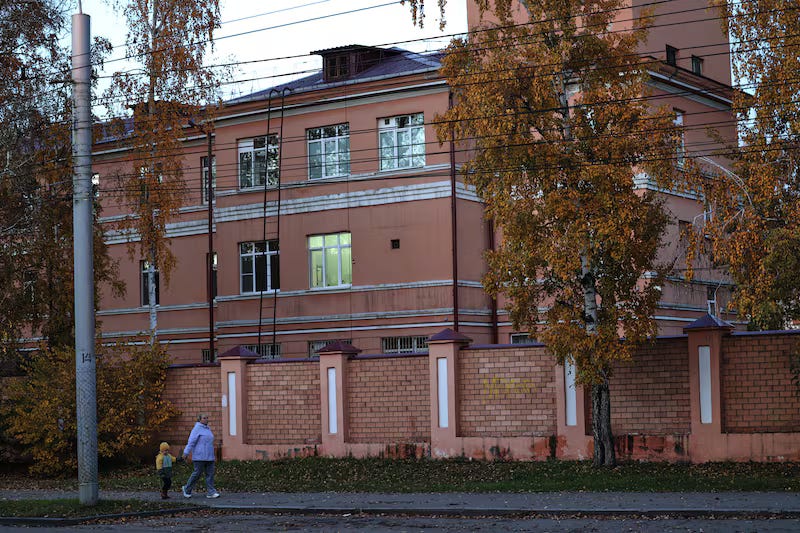
Shipilova died October 2, three days after she was hospitalized with what initially looked like cold symptoms. She worked at an institute devoted to plague and other dangerous infectious diseases.
And she didn’t just happen to work in a building with “plague” in its name. Independent Russian reporting found that Shipilova worked in plague microbiology and had recently presented research involving the susceptibility of Yersinia pestis to antibiotics.
Russian health authorities now say they have conducted nearly 5,000 tests without finding a dangerous pathogen. They say more than 90 percent of the people who had contact with Shipilova have completed medical monitoring. No secondary case of plague has been confirmed.
Those are reassuring signs.
Is what Russia says believable? I can hear the arching eyebrows. Mine included. More on that in a bit.
The World Health Organization continues to assess the risk outside Russia as very low. The United States also says it has no indication of a threat here.
President Trump went a little further Wednesday. Asked whether this could involve a biological weapon, he said, “We don’t think so,” but he didn’t go into much more detail than that.
CDC Director Erica Schwartz says the agency is tracking possible arrivals from the region and is ready to screen travelers at New York's JFK Airport, although she says she considers the threat to Americans extremely low.
That’s where the evidence stands right now. There is no confirmed plague outbreak, no confirmed biological weapon, and no verified evidence that a pathogen escaped from the laboratory.
What we don’t know
We don’t know what killed Darya Shipilova.
The World Health Organization says it doesn’t know either.
Maria Van Kerkhove, who directs epidemic and pandemic management for WHO, said Wednesday that the organization still doesn’t know the “causative agent” behind Shipilova’s illness.
Russia has described her illness as pneumonia and has said extensive testing found no evidence that it was caused by one of the pathogens she worked with. Earlier, Russian officials described it as pneumonia of unknown origin.
Shipilova’s mother, a former physician, reportedly says she still has not received official documents stating her daughter’s cause of death.
WHO also wants an explanation for reports that a second employee of the institute developed pneumonia of undetermined origin.
There is a report of a second case of unexplained pneumonia. There is not a confirmed second case of plague. So far, there’s no credible evidence of a second death.
We also don’t know whether the story that started this — that Shipilova broke a test tube containing live plague bacteria — is true. Russian authorities deny that there was a laboratory accident. No evidence has surfaced publicly proving otherwise.
So put that one in the “we don’t know” column, too.
Then why all the precautions?
If Shipilova died from an ordinary respiratory infection, why did authorities initially respond as though they might be dealing with something considerably more dangerous?
About 200 contacts were reportedly placed under medical observation. The hospital where Shipilova died was quarantined. Her apartment building was repeatedly disinfected, according to neighbors interviewed by independent Russian journalists.
Irkutsk Governor Igor Kobzev initially referred to a “particularly dangerous infection.”
Russian authorities now say there is no epidemic risk and that testing has found nothing dangerous.
Both things can be true. Public-health officials can take aggressive precautions when they don’t know what they’re dealing with and then relax them when tests come back negative.
But WHO is asking essentially the same question: What pathogen prompted this response in the first place?
And then there’s Russia
Russia says there was no plague and no laboratory accident. But there’s a reason the rest of the world doesn’t simply take the Russian government’s word for it.
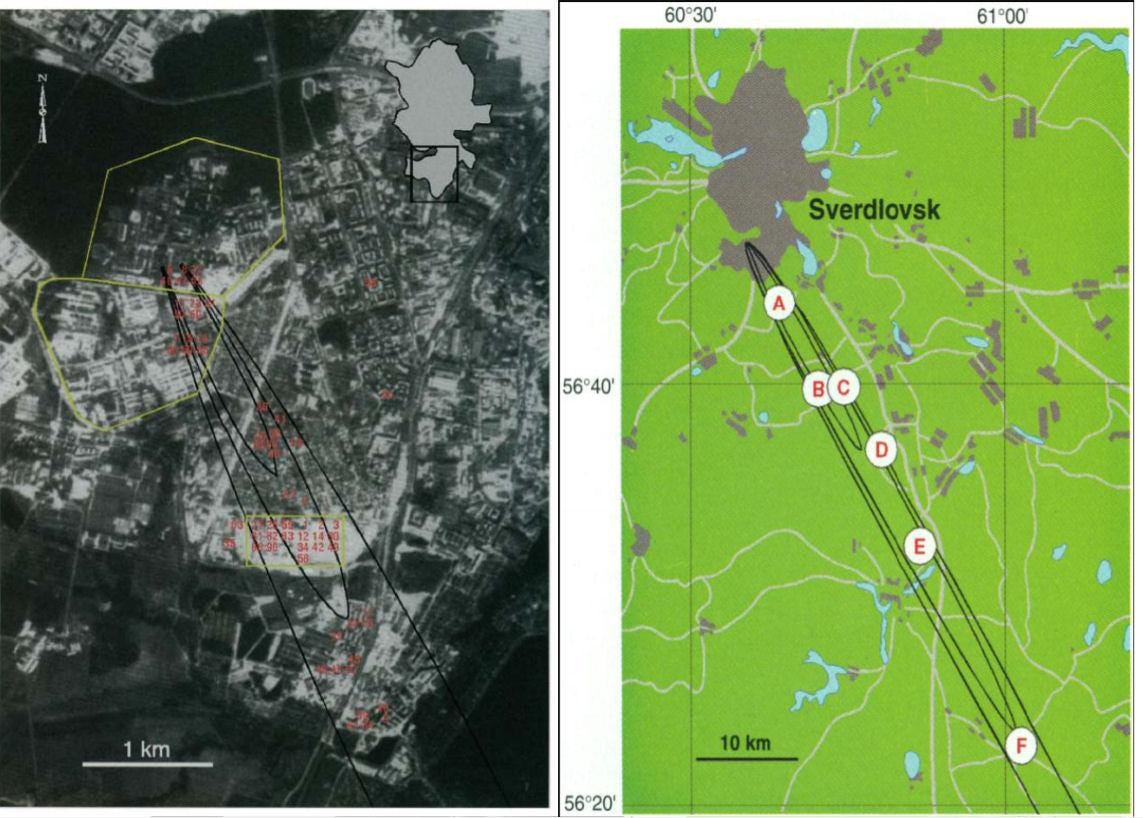
In 1979, people began dying from anthrax in the Soviet city of Sverdlovsk. Soviet authorities blamed contaminated meat. The United States suspected an accidental release from a military biological facility. Moscow denied it.
Thirteen years later, Russian President Boris Yeltsin acknowledged that the outbreak had been caused by military biological research. Later work traced the victims along the path of an airborne release from the facility.
Then there’s Chernobyl.
Reactor Number Four exploded on April 26, 1986. The people of nearby Pripyat weren’t evacuated until the following afternoon. The Soviet Union didn’t tell the rest of the world what had happened until radiation was detected in Sweden and Swedish authorities started demanding answers.
None of that proves Russia is lying about Irkutsk, but it does mean that when Russia says there’s nothing to worry about, it’s correct to push for independent verification.
The United States has now formally asked Moscow for more information. WHO is doing the same.
Trump said he had a phone call set up with Vladimir Putin to talk about the case. As of Wednesday evening, the Kremlin says no such call has been scheduled, although it could be arranged quickly. As of this writing, Wednesday evening, there’s been no call reported.

What about Annie Jacobsen?
Annie Jacobsen has now weighed in on the very laboratory at the center of this story. She told CBS News that the Irkutsk institute once served as a cover for Soviet biological-weapons research, alongside its legitimate public-health work. She says the development to watch for is a confirmed second infection. So far, there hasn’t been one.
For now, reality is moving away from Biological War: A Scenario.
Jacobsen’s book imagines a weaponized pneumonic plague escaping from a Russian laboratory and spreading rapidly enough to overwhelm governments and society in just six days.
So what happened?
We don’t know yet.
But the evidence so far argues against nightmare fuel. Nobody else has been confirmed to have plague; thousands of tests have reportedly found no dangerous pathogen; people are being released from medical monitoring. International health officials say the risk is low.
But Darya Shipilova is still dead, and the cause of the illness that killed her hasn’t been publicly established.
That’s the part of this story I’m watching now: Just what happened to Darya Shipilova. And until somebody can answer that, the story isn’t over.
October 8 update: Russian authorities have lifted the quarantines imposed after Darya Shipilova's death. They say nearly 5,000 tests found no dangerous pathogens and that everyone who had contact with her has completed medical observation without developing an infection. That's encouraging news. But the test results haven't been independently verified, and Russia still hasn't explained exactly what killed Shipilova.
Support Archer’s Line
If you appreciate reporting that separates what we know from what we’re being told, consider becoming a paid subscriber. Your support helps keep Archer’s Line going.
And whether you’re a paid or free subscriber, please share this article with someone who might find it interesting.
Yes - stay on alert.