

There’s an old rule in television news that eventually overrides everything else: ratings.
You can survive criticism for a while. You can survive bad headlines. You can survive angry staff meetings, leaked memos, and media reporters circling like vultures.
But if the audience disappears? That’s when the knives come out.
And right now, the audience is disappearing at CBS News.
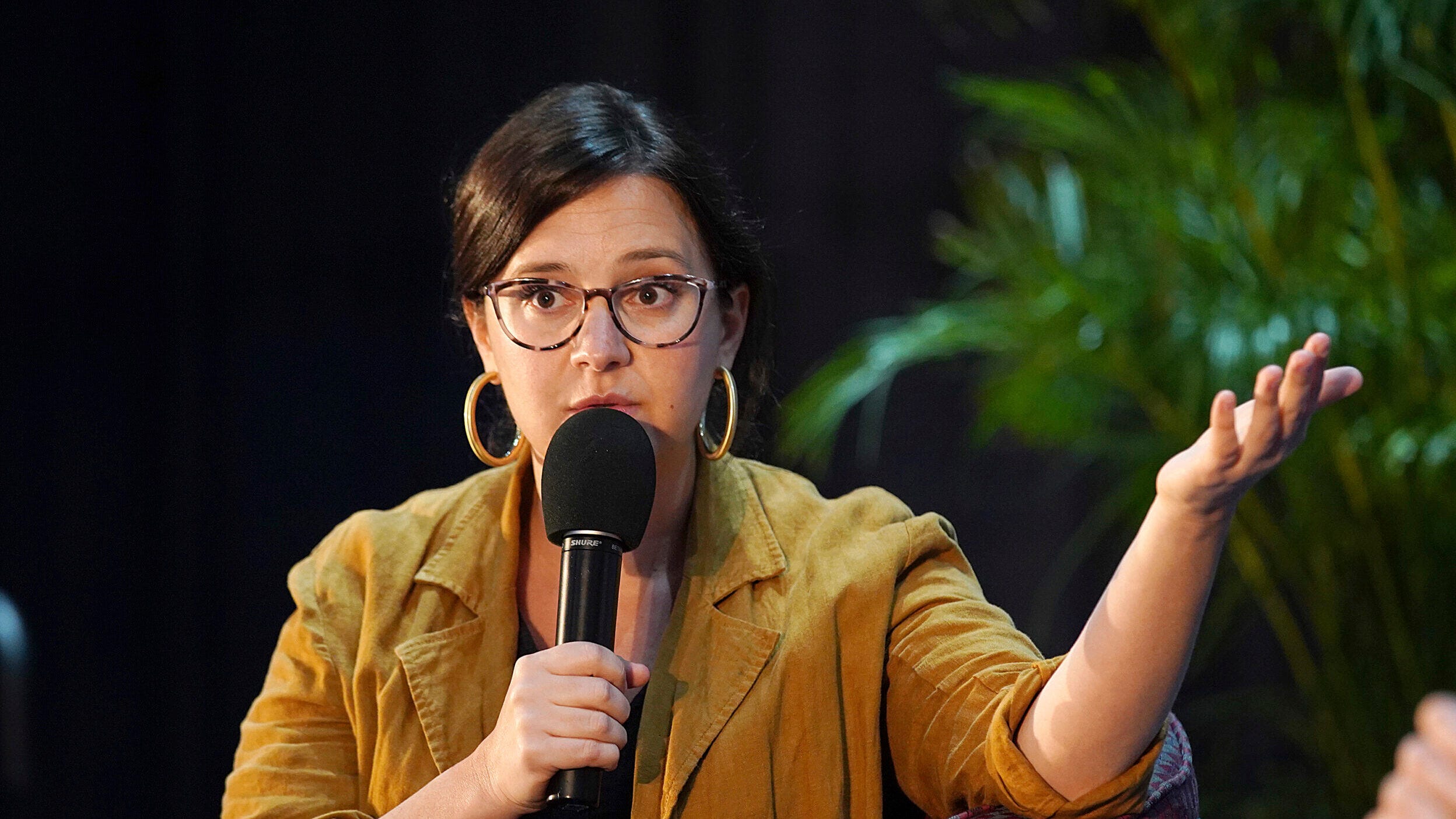
The ratings for the CBS Evening News have fallen hard in the Bari Weiss era. Multiple industry reports describe historic lows for the broadcast under anchor Tony Dokoupil, who became the face of Weiss’s overhaul of the division earlier this year.
Staff morale reportedly is collapsing. Major talents are leaving or being laid off. And the Weiss overhaul is coming for 60 Minutes — the last jewel in the CBS News crown — this summer.
This week, the media reporting got even more interesting.
According to reports picked up by both Status and other media outlets, there are already discussions inside Paramount and Skydance about reducing Weiss’s direct control over parts of CBS News after months of controversy, internal unrest, and collapsing viewership. Paramount publicly denied the reports and says Weiss still has full backing. But corporate denials like that often happen right before major changes.
None of this surprises me.
From the beginning, the Weiss experiment felt less like a television strategy and more like an ideological branding exercise — an attempt to reposition a legacy news division around a vague “anti-woke,” contrarian-media identity that works better on podcasts, Substack, and social media than it does at 6:30 p.m. on broadcast television.
But network evening news is a habit business.
People don’t tune in because they want a cultural argument. They tune in because they want stability. Familiarity. Trust. A sense that adults are explaining the world to them.
For decades, CBS understood that.
Even when the ratings slipped behind NBC and ABC, the broadcast still carried the institutional weight of Walter Cronkite, Dan Rather, and generations of serious journalists who treated the program like a public trust.
Now the newscast feels caught between identities. Confused.
And viewers can smell confusion instantly.
The problem for CBS is that television audiences are already fragile. Linear television is aging. Local stations are under pressure. Younger viewers are scattered across streaming, TikTok, YouTube, podcasts, newsletters, and independent creators. If you alienate even part of your remaining audience during a transition like this, rebuilding becomes extremely difficult.
Especially when your competitors still look steady.
Meanwhile, the chaos inside CBS News just keeps growing.
There’s been a backlash over editorial decisions at 60 Minutes. The internal fights over standards and newsroom direction. The reports of staff panic. The departures and layoffs. The growing public sense that one of the most important news organizations in American broadcasting no longer knows what it wants to be.
And then there’s the symbolism of this week itself.
Stephen Colbert is hosting his last Late Show Thursday. Another familiar CBS voice disappears.
On Friday, CBS News Radio goes silent after nearly a century on the air.
For people outside broadcasting, that may sound like just another media restructuring.
For those of us who grew up in radio newsrooms, it feels more like watching part of the American media nervous system being unplugged.
Which brings me to a special programming note.
Friday morning, a new episode of Archer & Feldman goes live featuring Craig Swagler — the former head of CBS News Radio — for a deep, candid conversation about what happened to CBS Radio News, why it disappeared, what’s happening inside broadcast journalism, and where all of this may be heading next.
And honestly, after this week’s headlines about Bari Weiss and CBS News?
The timing feels even more significant.
Also check out the Disciples of Democracy podcast. A new episode is in the pipeline, and you don’t want to miss it.